RIMS-2 protest in Ranchi: Tribal villagers block march to CM residence
Synopsis
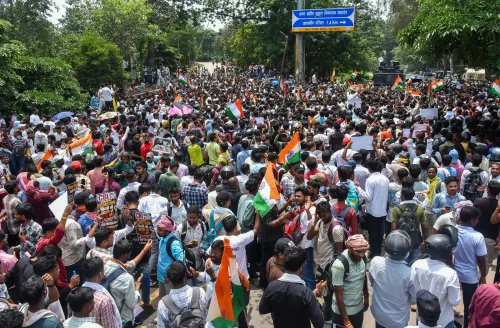
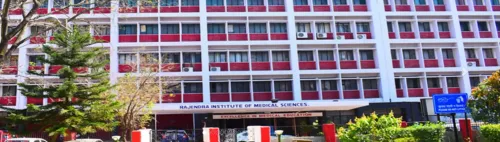
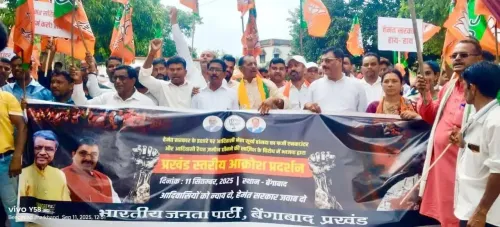
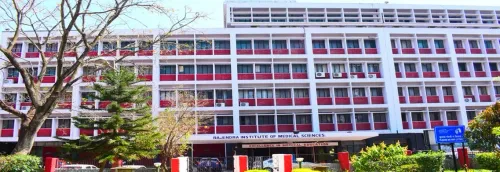
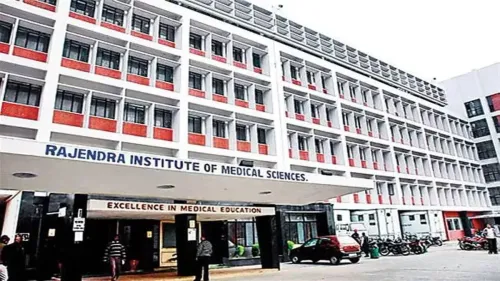
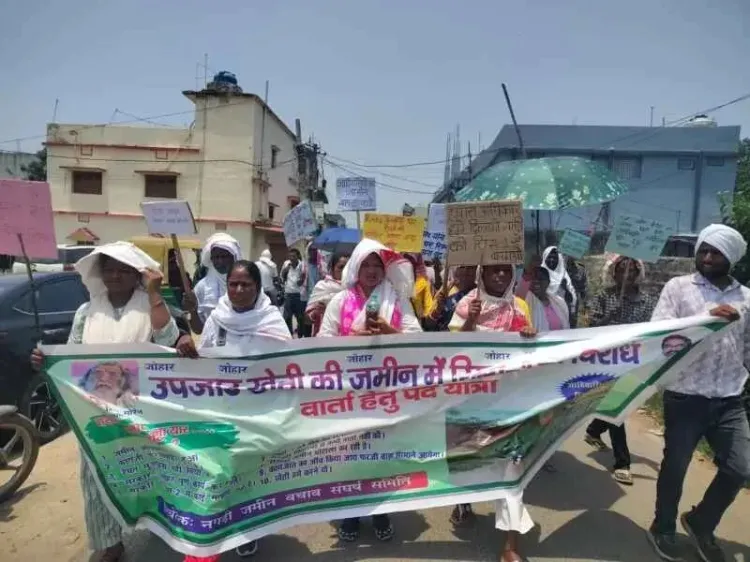
Hundreds of tribal villagers and farmers in Ranchi marched toward the Chief Minister's residence on 11 June to oppose RIMS-2, a proposed medical college that would displace fertile agricultural land in the Nagri area. Police halted the procession at Kanke Block Chowk — but protesters say they will not stop until the government listens.
Key Takeaways
Villagers, farmers, and tribal community members staged a large protest in Ranchi on 11 June against the RIMS-2 medical college project in the Nagri area .
The march toward the Chief Minister's residence was stopped by police near Kanke Block Chowk ; additional forces were deployed.
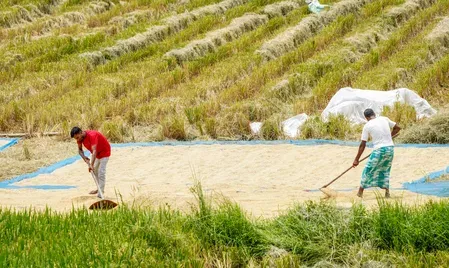
Protesters allege the targeted land is highly fertile and that many families depend on it for agricultural livelihoods.
Demonstrators demanded the government use barren or non-agricultural land for the project instead.
The Nagri Zameen Bachao Sangharsh Samiti and tribal organisations are leading the sustained agitation, which has been building for some time.
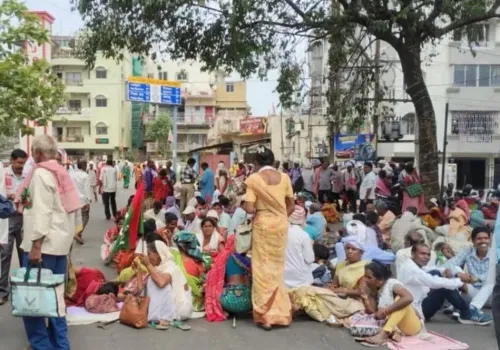
Villagers, farmers, and members of tribal communities in Ranchi staged a large-scale protest on Thursday, 11 June against the proposed RIMS-2 medical college and hospital in the Nagri area of Jharkhand's capital, demanding that the state government abandon plans to acquire fertile agricultural land for the project. The demonstration, organised under the banner of tribal organisations and the Nagri Zameen Bachao Sangharsh Samiti, drew men, women, and youth in significant numbers.
March Stopped at Kanke Block Chowk
Protesters attempted to march toward the Chief Minister's residence but were halted by police and district administration near Block Chowk in Kanke. Barricades were erected to prevent the procession from advancing, and officials attempted to redirect demonstrators toward the Kanke Block Office. Additional police forces were deployed across the area as a precautionary measure, with officials engaging protesters to maintain law and order.
Protesters warned that if denied access via the main route, they would seek alternative means to convey their concerns to the government, and pledged to continue their democratic struggle to protect their land.
Why Protesters Oppose the Project
The core grievance centres on land. Demonstrators allege that the Nagri area land earmarked for RIMS-2 is highly fertile, and that a large section of the local population depends on agriculture for their livelihood. Acquiring such land, they argue, would directly undermine the income and food security of farming families.
Agitation participants were clear that their opposition was not directed at development itself. 'We are not against development,' protesters said, 'but we will not accept the acquisition of fertile agricultural land in the name of development.' They also framed the issue as one of identity, culture, and the future of tribal communities — not merely an economic dispute.
Protesters' Demand to the Government
Demonstrators called on the Jharkhand state government to identify barren or non-agricultural land for the proposed medical institution if it genuinely intends to expand healthcare infrastructure. The Nagri Zameen Bachao Sangharsh Samiti and allied tribal organisations have been at the forefront of local resistance, which has reportedly been building for some time ahead of Thursday's march.
Background and Ongoing Resistance
Opposition to the RIMS-2 project in the Nagri area is not new. Villager and farmer groups have consistently maintained that land acquisition for the project threatens a large number of families. This comes amid a broader pattern of tribal land-rights agitations in Jharkhand, where land acquisition for infrastructure and institutional projects has repeatedly triggered community-led protests. Thursday's march represents a visible escalation of that sustained local resistance.
With administration and protesters at an impasse near Kanke, the situation remains fluid. How the Jharkhand government responds — particularly whether it engages formally with the Nagri Zameen Bachao Sangharsh Samiti — will determine whether the agitation intensifies in the days ahead.
Point of View
Which would have pre-empted this escalation. In a state where land identity is inseparable from tribal selfhood, framing RIMS-2 purely as a healthcare win without addressing displacement concerns is a political miscalculation that could outlast the project itself.
NationPress
26 Oct 2026
Frequently Asked Questions
What is the RIMS-2 project and why are people protesting against it?
RIMS-2 is a proposed medical college and hospital planned for the Nagri area of Ranchi, Jharkhand. Villagers, farmers, and tribal community members are protesting because they allege the earmarked land is highly fertile agricultural land on which many local families depend for their livelihood.
What happened during the protest march on 11 June?
A large group of protesters marched toward the Chief Minister's residence in Ranchi on 11 June but were stopped by police and administration near Kanke Block Chowk. Barricades were erected and additional police forces deployed; officials attempted to divert the march toward the Kanke Block Office.
What are the protesters demanding from the Jharkhand government?
Protesters are demanding that the state government identify barren or non-agricultural land for the RIMS-2 project rather than acquiring fertile farmland in the Nagri area. They have stated they are not opposed to development but will not accept agricultural land acquisition in its name.
Who is leading the agitation against RIMS-2?
The protest is being led under the banner of the Nagri Zameen Bachao Sangharsh Samiti and allied tribal organisations. The agitation has been ongoing for some time, with Thursday's march representing a visible escalation.
What happens next in the RIMS-2 land dispute?
The situation remains unresolved, with protesters pledging to continue their democratic struggle and explore alternative routes to reach the government if denied access. The Jharkhand government's response — particularly whether it engages formally with protest leaders — will be decisive in determining whether the agitation escalates further.