CM Rekha Gupta Slams AAP Over Stubble Burning in Punjab
Synopsis
Delhi CM Rekha Gupta publicly attacked AAP on October 6, 2026, over renewed stubble burning in Punjab's Tarn Taran district, recalling Kejriwal's unfulfilled one-year promise and blaming the Bhagwant Mann government for governance failure despite Central support.
Key Takeaways
Delhi CM Rekha Gupta attacked AAP on October 6, 2026 over stubble burning in Tarn Taran, Punjab .
She recalled Arvind Kejriwal's promise to end stubble burning in Punjab 'within one year,' calling it repeatedly broken.
Gupta stated the Central Government provided funds, farm machinery, and subsidies to Punjab — and that the failure is one of governance, not resources.
She named Chief Minister Bhagwant Mann alongside Kejriwal as responsible for the AAP government's inaction.
Gupta accused AAP of hypocrisy: blaming Punjab when in power in Delhi, now evading accountability while governing Punjab.
She pledged her government is deploying technology and new solutions to improve Delhi's air quality .
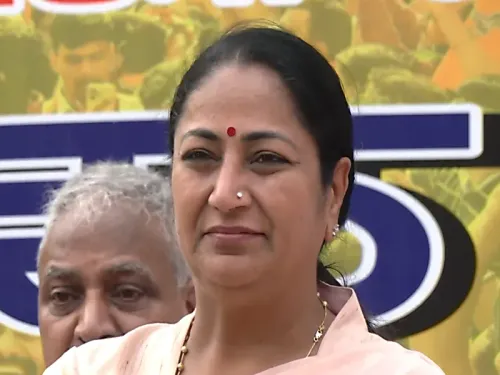
Years after Arvind Kejriwal promised to end stubble burning in Punjab 'within one year,' fresh fires have broken out in Tarn Taran — and Delhi Chief Minister Rekha Gupta is making sure no one forgets the pledge. On Tuesday, October 6, 2026, Gupta took to X to deliver a pointed indictment of the Aam Aadmi Party's record on one of North India's most stubborn environmental crises.
The Broken Promise and the Smoke Over Tarn Taran
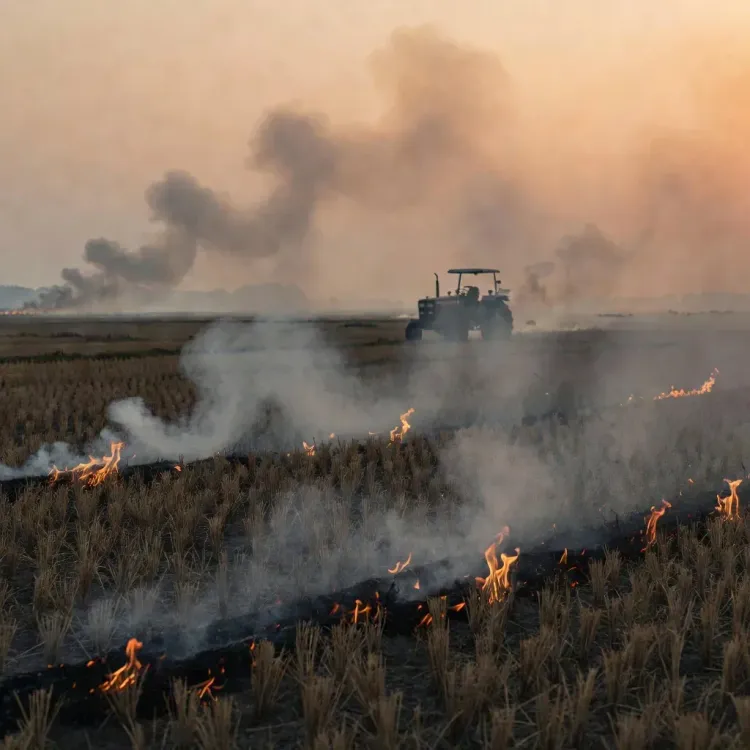
Gupta's post opens with a sharp recall: 'Kejriwal ne kaha tha, ek saal de do, Punjab mein parali jalna band karwa dunga' ('Kejriwal had said, give me one year and I will stop stubble burning in Punjab'). Year after year passed, she wrote, and the fires kept burning — only 'the lifespan of Kejriwal's lies grew longer.' The district of Tarn Taran, a perennial hotspot for farm-fire incidents in western Punjab, has once again recorded fresh stubble-burning activity, lending the attack immediate on-the-ground weight.
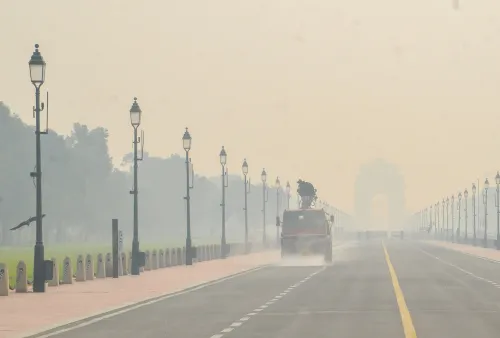
Stubble burning — the practice of setting harvested paddy stalks alight to quickly clear fields before the winter wheat sowing season — has for years sent thick plumes of smoke across Punjab, Haryana, and Delhi, turning the capital's air hazardous every October and November. It is one of the most politically charged environmental flashpoints in Indian politics, precisely because the state responsible for most of the smoke (Punjab) and the state that breathes the worst of it (Delhi) have for years been governed by the same party — the AAP.
Central Funds, Machines, Subsidies — and 'AAP-da' Failure
Gupta's critique goes beyond rhetoric. She specifically lists what the Central Government provided: funds, farm machinery, and subsidies — all aimed at giving Punjab's farmers viable alternatives to burning. Her conclusion is unsparing: 'This is not a shortage of resources; it is a failure of governance.' By naming Chief Minister Bhagwant Mann alongside Kejriwal, she makes clear the attack is directed at both the Punjab government's executive head and the party's national architect.
The political subtext is layered. When AAP governed Delhi, Kejriwal repeatedly pointed north — blaming Punjab and Haryana for the smoke choking the capital. Now that AAP holds power in Punjab, the accountability arrow has reversed, and Gupta is pointing it squarely back. 'When he was in power in Delhi, Kejriwal would point fingers at Punjab. Now that his own party governs Punjab, he is running from giving answers,' she wrote.
Delhi's Air, Delhi's Voters, and a Sharp Closing Question
Gupta weaves in a reference to AAP's February 2025 Delhi election defeat — noting that having been voted out by Delhi's public, Kejriwal's frustration must not be allowed to 'vent itself on the lungs of Delhiites.' The formulation is deliberate: it frames the stubble smoke not as an agricultural problem but as a political one, driven by negligence and score-settling rather than honest policy failure.
On her own government's response, Gupta states that her administration is working 'day and night' to improve Delhi's air quality, deploying technology and new on-ground solutions. The contrast she draws is explicit: Delhi under BJP acting; Punjab under AAP emitting. Whether that framing holds up through the coming smog season — when air quality indexes will provide their own verdict — remains the sharpest test of both claims.
The smoke, as always, does not wait for politicians to finish arguing about it.
Point of View
At the start of the October–November peak stubble-burning season, is politically precise: air quality data over the next six weeks will either vindicate or embarrass both sides. For the BJP, this is also an early move to tie Delhi's coming smog season to AAP's Punjab record, pre-empting the opposition's traditional narrative that blames the Centre for inaction on farm fires. The attack on 'resources given but wasted' is a Central-government framing that has become standard BJP counter-messaging on stubble burning.
NationPress
6 Oct 2026
Frequently Asked Questions
What did Kejriwal promise about stubble burning in Punjab?
Arvind Kejriwal had promised to end stubble burning in Punjab within one year of AAP coming to power. Delhi CM Rekha Gupta cited this broken pledge in her October 6, 2026 post, pointing to fresh fires in Tarn Taran as evidence the promise remains unfulfilled.
Why is stubble burning in Punjab a problem for Delhi?
Stubble burning in Punjab during October and November releases large quantities of smoke that drifts into Delhi and neighbouring states, dramatically worsening air quality and causing serious public health concerns every winter season.
What has the Central Government done to stop stubble burning?
According to Rekha Gupta's post, the Central Government has provided Punjab with funds, farm machinery, and subsidies to help farmers adopt alternatives to burning paddy stubble. She argued the continued burning reflects governance failure, not a lack of Central support.
Where did fresh stubble burning break out in Punjab in 2026?
Rekha Gupta's post on October 6, 2026 cited fresh stubble burning incidents in Tarn Taran district in western Punjab, a district that has historically been among the worst-affected areas for farm fires.
What is Delhi CM Rekha Gupta doing about Delhi's air pollution?
Gupta stated in her post that her government is working 'day and night' to improve Delhi's air quality, deploying technology and new on-ground solutions, contrasting this with what she described as the AAP-governed Punjab government's negligence.