Is CM Revanth Reddy Set to Make Greater Hyderabad Pollution-Free?
Synopsis
Telangana's CM, A. Revanth Reddy, aims to transform Greater Hyderabad into a pollution-free city. With a focus on waste management, electric vehicles, and community engagement, this initiative promises a cleaner, greener future for residents. Discover the comprehensive action plan set to revolutionize urban living in Hyderabad.
Key Takeaways
Comprehensive action plan for a pollution-free Greater Hyderabad.
Complete ban on plastic to combat pollution.
Introduction of electric vehicles to reduce air pollution.
Regular sanitary inspections and community involvement.
Focus on water body conservation and flood prevention.
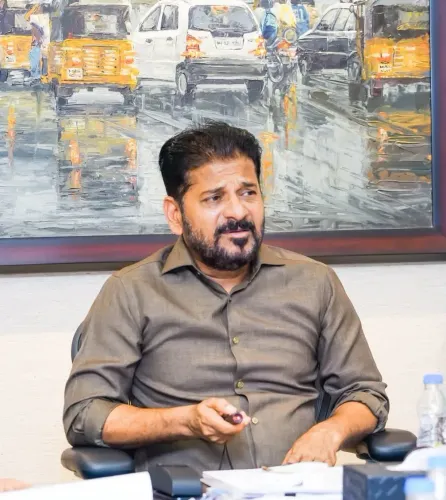
Hyderabad, Dec 30 (NationPress) The Chief Minister of Telangana, A. Revanth Reddy, has instructed officials to devise a comprehensive action plan aimed at transforming Greater Hyderabad into a pollution-free metropolis.
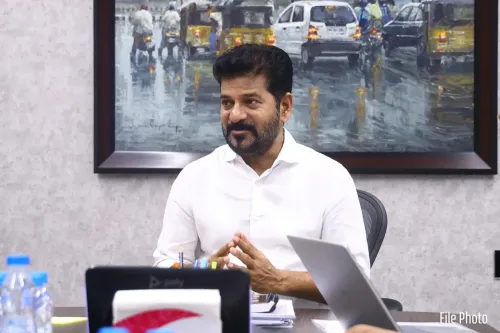
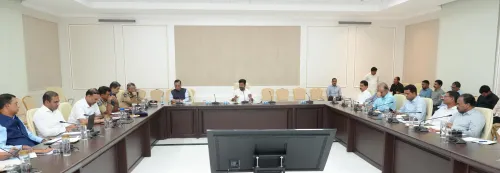
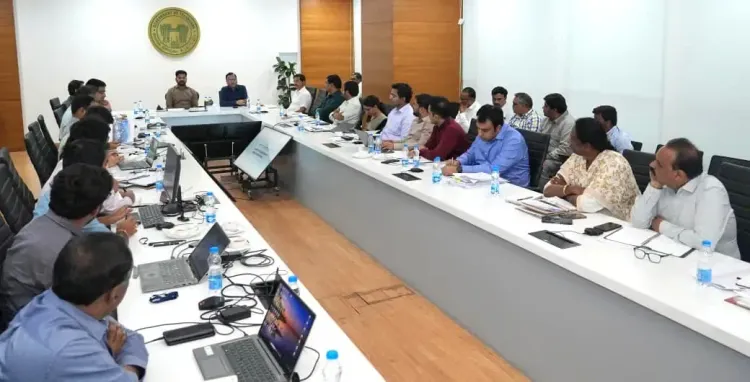
During a review meeting with senior members of the Municipal Administration and Urban Development, alongside the newly appointed Zonal Commissioners, he stressed the necessity for implementing effective strategies for maintaining cleanliness and managing waste. A total ban on plastic usage was also agreed upon to mitigate pollution levels in the city.
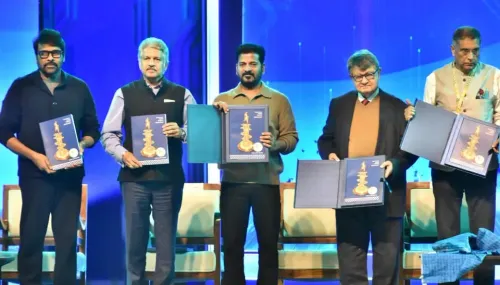
The Chief Minister pointed out that the Telangana Rising 2047 Vision Document, recently unveiled at a Global Summit, provides a structured framework for planned development within the state.
As part of this initiative, the Core Urban Region (CURE) is being designed within the Outer Ring Road. The CURE has been reorganized into 12 zones, 60 circles, and 300 wards to enhance administrative efficiency.
While reviewing the preservation of water bodies, the Chief Minister emphasized the importance of safeguarding ponds and nalas from encroachment. To combat air pollution, electric buses and autos are being introduced to replace diesel vehicles in the CURE area.
In order to achieve the goal of a pollution-free city, the CM has directed the new zonal commissioners to undertake regular field inspections and address civic issues.
He has also instructed them to install CCTV cameras at ponds, nalas, and waste dumping sites. The zonal commissioners are to launch a dedicated sanitation drive for three days each month. The Chief Minister emphasized the importance of officials performing their duties diligently to ensure that the roads remain free of garbage and potholes.
Reiterating the need for improved services within the core urban region, CM Revanth Reddy highlighted the importance of leveraging technology for issuing birth and death certificates, trade licenses, and other documentation. Services should be provided to the public transparently and online, with ongoing communication maintained with colony and apartment welfare associations.
The CM asserted that efforts should be made toward smart governance alongside good governance, directing the officials from the HYDRAA, GHMC, and Water Works departments to commence desilting operations in the nalas starting January.
Furthermore, the Chief Minister has urged the zonal commissioners to implement measures to curb mosquito breeding and the transmission of communicable diseases by conducting waste cleanup every 10 days.
He announced that he would conduct monthly reviews with all zonal commissioners, ordering officials to ensure compliance with food safety regulations in hotels located within the CURE region and to take stringent action against violators.
The Chief Minister has directed authorities to construct government office buildings within the core urban area using available land. All offices currently in rented spaces should be relocated to these newly constructed facilities, and a comprehensive mapping of all lakes, ponds, and nalas across the 12 zones of the core urban region should be undertaken.
Officials have been instructed to eliminate encroachments and implement strategies to mitigate flood-related issues during the monsoon season. The identification and restoration of large lakes, transforming them into activity zones, will also be a priority.
Point of View
It's crucial to highlight the significance of CM Revanth Reddy's initiative for a pollution-free Greater Hyderabad. This effort not only addresses local environmental challenges but also sets a precedent for other cities in India. It reflects a commitment to sustainable urban development and citizen engagement, essential for a healthier future.
NationPress
8 Oct 2026
Frequently Asked Questions
What are the key initiatives for a pollution-free Hyderabad?
The key initiatives include a total ban on plastic, the introduction of electric vehicles, effective waste management, and regular civic inspections.
How will the government ensure cleanliness in the city?
The government plans to conduct monthly sanitation drives and install CCTV cameras in critical areas to monitor cleanliness.
What is the role of the new zonal commissioners?
The new zonal commissioners will oversee regular field visits, address civic issues, and implement sanitation measures in their zones.
How will technology improve public services?
Technology will be utilized for issuing essential documents such as birth and death certificates and trade licenses, ensuring transparency and efficiency.
What measures are in place to protect water bodies?
The government will protect ponds and nalas from encroachment and promote conservation efforts to maintain these vital resources.