RG Kar probe: 3 IPS officers suspended, Sandip Ghosh faces prosecution
Synopsis
The RG Kar rape-murder case has moved from public outrage to political reckoning: three IPS officers suspended, the former hospital superintendent facing prosecution, and the victim's own mother winning a seat in the constituency linked to the crime. The electoral and legal fallout is now directly challenging Mamata Banerjee's legacy on women's safety and institutional governance.
Key Takeaways
Three senior IPS officers have been suspended by the West Bengal government for alleged mishandling of the RG Kar rape-murder investigation.
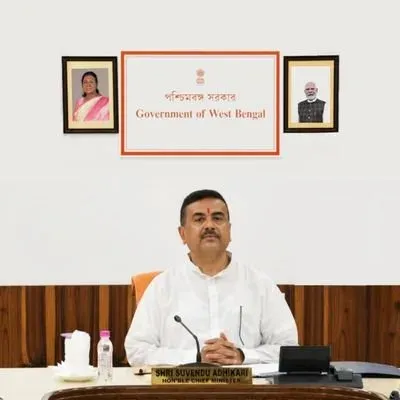
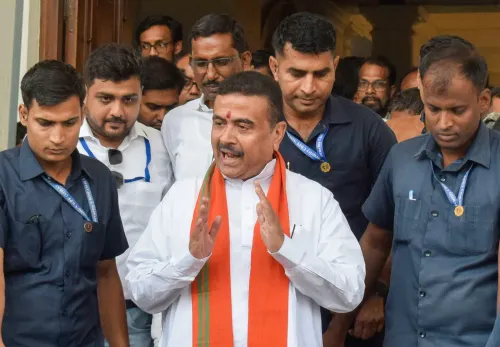
Chief Minister Suvendu Adhikari granted prosecution sanction against former RG Kar superintendent Sandip Ghosh over alleged financial irregularities linked to the hospital.
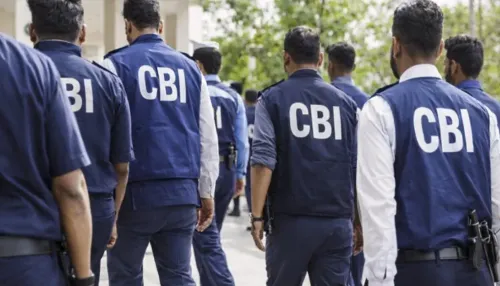
The Calcutta High Court had earlier ordered a CBI probe after the state's initial investigation was criticised as inadequate.
In recent by-elections, BJP won both Kashipur-Belgachhia (where RG Kar is located) and Panihati (the victim's family's constituency), with the victim's mother winning the Panihati seat.
Former Chief Minister Mamata Banerjee held the home and health portfolios simultaneously at the time of the 2024 crime, drawing scrutiny over systemic governance failures.
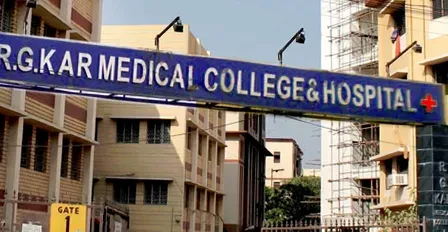
The investigation into the rape and murder of a junior doctor at Kolkata's RG Kar Medical College and Hospital has entered a decisive phase, with the West Bengal government suspending three senior IPS officers and granting sanction to prosecute Sandip Ghosh, the hospital's former superintendent, over alleged financial irregularities. The developments are intensifying scrutiny of governance failures during the tenure of former Chief Minister Mamata Banerjee, who simultaneously held the home and health portfolios at the time of the 2024 crime.
Key Developments in the Probe
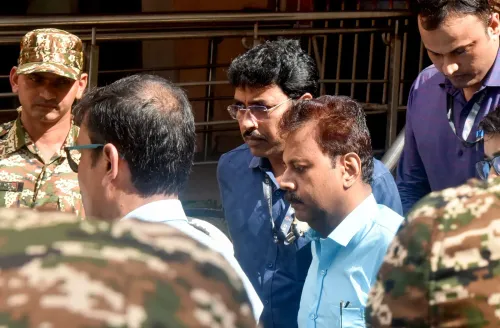
Chief Minister Suvendu Adhikari announced late last week the suspension of three IPS officers for alleged mishandling of the investigation — a move that, critics note, amounts to an official acknowledgement that the police response was inadequate, if not compromised. On Tuesday, the state government went further, granting prosecution sanction against Ghosh in connection with alleged financial corruption linked to the institution.
Investigators are examining whether lapses in security, staff mismanagement, and questionable financial dealings under Ghosh's watch created an environment where accountability was effectively absent — and whether those conditions contributed to the circumstances that enabled the crime.
Accountability Questions Around Former Leadership
Because Banerjee held both the home and health ministries concurrently during her tenure as Chief Minister, critics argue that systemic failures in both policing and hospital administration ultimately reflect on her leadership. Her government has been accused by opposition parties of shielding officials and slowing accountability mechanisms in the immediate aftermath of the crime.
Administrative follow-up was widely criticised as inadequate until the Calcutta High Court ordered a Central Bureau of Investigation (CBI) probe. The case has since become a reference point for examining what opposition parties describe as institutional rot under the Trinamool Congress (TMC) government.
Electoral Verdict and Political Fallout
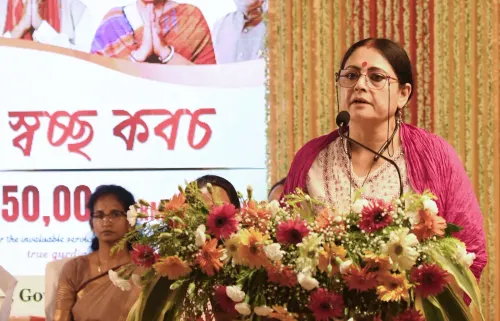
This month's assembly by-election results have added a sharp political dimension to the case. Voters in Kashipur-Belgachhia — the constituency where RG Kar Medical College is located — and in Panihati, the home constituency of the victim's family, both returned Bharatiya Janata Party (BJP) candidates, defeating TMC. Notably, the victim's mother contested and won the Panihati seat, a result widely read as a direct public verdict on the handling of the case.
The BJP had pledged action on the case during its campaign, and the new government's swift moves on officer suspensions and prosecution sanction are seen as fulfilling that commitment.
The Broader Governance Challenge
The case has exposed what analysts describe as the politicisation of the police force in West Bengal, with officers frequently accused of aligning with the ruling party rather than enforcing the law impartially. Questions persist over whether political pressure influenced the pace and direction of the original investigation.
For the incumbent government, the path forward involves simultaneously depoliticising the police force, strengthening institutional accountability, enforcing strict security protocols in public hospitals, and ensuring transparent financial oversight — reforms that successive administrations have promised but not delivered.
With prosecution proceedings against Ghosh now formally initiated and suspended officers facing inquiry, the case moves into a critical legal phase that will test whether accountability is pursued to its conclusion.
Point of View
And that political insulation of officials was real. Banerjee's dual charge of home and health ministries during the crime and its aftermath makes the accountability question unavoidable, not merely rhetorical. The electoral results in Kashipur-Belgachhia and Panihati suggest that voters drew a direct line between institutional failure and political responsibility — a verdict that legal proceedings alone rarely produce. The real test for the new government is whether these prosecutions reach conviction or stall in the courts, as accountability drives in West Bengal have historically done.
NationPress
5 Oct 2026
Frequently Asked Questions
What are the latest developments in the RG Kar rape-murder case?
The West Bengal government has suspended three senior IPS officers for alleged mishandling of the investigation and granted sanction to prosecute former RG Kar Hospital superintendent Sandip Ghosh over alleged financial irregularities. These actions follow the CBI probe ordered by the Calcutta High Court after the state's initial response was criticised as inadequate.
Why is Mamata Banerjee facing scrutiny in the RG Kar case?
Banerjee held both the home and health ministries simultaneously during her tenure as Chief Minister when the 2024 crime occurred. Critics argue that failures in both policing and hospital administration — including alleged cover-ups and slow accountability — ultimately fall within her sphere of responsibility. Her government has been accused by opposition parties of shielding officials and delaying justice.
Who is Sandip Ghosh and what is his alleged role?
Sandip Ghosh was the superintendent of RG Kar Medical College and Hospital at the time of the crime. Investigators are examining whether alleged lapses in security, staff mismanagement, and financial irregularities under his watch created conditions that enabled the crime. Prosecution has now been sanctioned against him for the alleged financial corruption.
What was the electoral outcome linked to the RG Kar case?
In recent assembly by-elections, BJP candidates won both Kashipur-Belgachhia — the constituency where RG Kar Medical College is located — and Panihati, the home constituency of the victim's family. The victim's mother won the Panihati seat, a result widely interpreted as a direct public verdict on the handling of the case.
What reforms are being called for in the wake of the RG Kar case?
Analysts and civil society groups are calling for depoliticisation of the West Bengal police force, stronger accountability mechanisms in public institutions, strict security protocols in hospitals, transparent financial oversight, and independent administrative oversight. The incumbent government has signalled intent through the officer suspensions and prosecution sanction, but sustained institutional reform remains the longer-term challenge.