PoJK sham elections deepen Pakistan coalition crisis, Bilawal warns Shehbaz
Synopsis
Pakistan's ruling coalition is fracturing in real time. The PoJK elections — marked by violence, internet shutdowns, and rigging allegations — have pushed PPP chief Bilawal Bhutto Zardari to warn PM Shehbaz Sharif that 'your countdown has begun.' With the economy collapsing and secessionist pressure rising from Balochistan to PoJK, the Sharif government is being squeezed from every direction simultaneously.
Key Takeaways
PPP Chairman Bilawal Bhutto Zardari has warned PM Shehbaz Sharif that the PPP will not cooperate with the government until concerns over PoJK elections are addressed.
The PoJK polls were marred by violence, coercion, internet shutdowns, and rigging allegations; dozens were reportedly killed in related clashes.
PML-N secured a majority of seats even before the final voting round concluded, according to early results.
The Joint Awami Action Committee (JAAC) called for a boycott, citing lack of autonomy and imposition of refugee-reserved seats.
The PPP has challenged government formation in PoJK before the region's High Court, arguing it is unconstitutional until polling is complete.
Pakistan simultaneously faces economic freefall, IMF austerity, and secessionist movements in Balochistan and Khyber-Pakhtunkhwa .
The disputed elections in Pakistan-occupied Jammu and Kashmir (PoJK) have cracked open a dangerous rift within Pakistan's ruling coalition, with Pakistan Peoples Party (PPP) Chairman Bilawal Bhutto Zardari openly warning Pakistan Muslim League-Nawaz (PML-N) that the PPP will not cooperate with the federal government on any matter until its concerns — particularly over the conduct of the polls — are addressed. The standoff, reported on 20 August, has cast a fresh shadow over Prime Minister Shehbaz Sharif's already embattled administration.
What Happened in PoJK
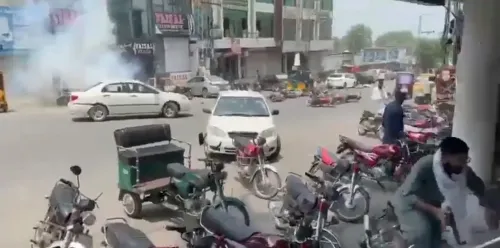
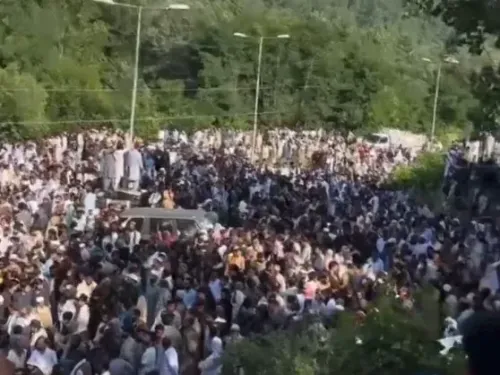
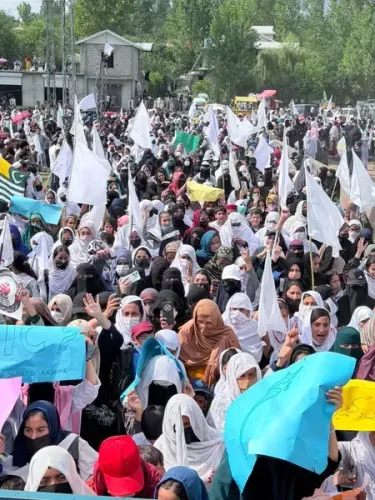
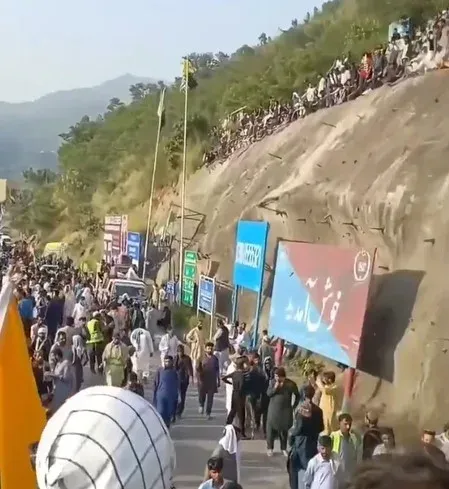
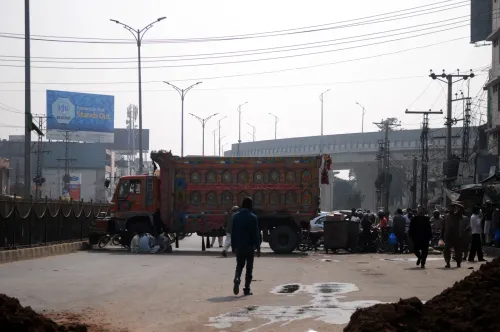
The staggered elections in PoJK were marred by violence, coercion, and widespread allegations of manipulation, according to reports from Pakistan's own media. Early results showed the PML-N securing a majority of seats even before the final round of voting had concluded. Dozens were reportedly killed in clashes and protests surrounding the polls.
The Joint Awami Action Committee (JAAC), which has spearheaded demonstrations against Islamabad's policies in the region, called for a boycott, citing the absence of genuine autonomy and the continued imposition of refugee-reserved seats. Internet shutdowns and information blackouts further delegitimised the exercise — a striking contradiction for a region Islamabad insists is 'Azad', or free.
Bilawal's Accusations and the Coalition Fracture
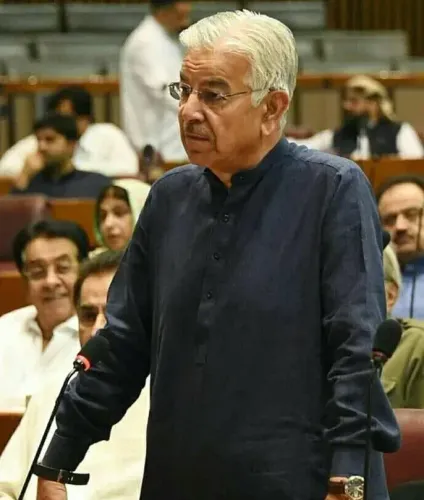
Bhutto Zardari accused the PML-N of 'robbing the votes of the people through bullets, batons, and coercion', framing the polls as a theft of mandate rather than a legitimate democratic contest. His warning — 'Your countdown has begun' — directed squarely at Prime Minister Sharif, signals the PPP's readiness to move beyond regional rivalry toward actively destabilising the federal coalition.
The PPP has also approached PoJK's High Court, arguing that government formation in the region is unconstitutional until polling is completed in the remaining districts. This legal challenge, combined with Bhutto Zardari's public rhetoric, has deepened mistrust between the two coalition partners at the federal level and raised serious questions about the government's durability.
Pakistan's Broader Crisis
The PoJK fallout lands at the worst possible moment for Islamabad. Pakistan is simultaneously grappling with an economy in freefall, inflation at record highs, dwindling foreign exchange reserves, and International Monetary Fund (IMF)-imposed austerity measures that have fuelled widespread public anger. Insurgency and secessionist movements continue to gain ground in Balochistan and Khyber-Pakhtunkhwa, while the JAAC-led mobilisation in PoJK has evolved into one of the largest anti-Pakistan protest movements in years.
Notably, the elections have also exposed the central contradiction in Islamabad's narrative: both the PML-N and PPP — federal coalition partners — wield significant influence in PoJK, which itself amplifies the degree of Pakistan's control over a region it officially describes as independent.
What It Means for Shehbaz Sharif
For Prime Minister Sharif, the challenge from Bhutto Zardari represents a compounding threat. Already struggling with economic collapse, eroding public trust, and the overarching influence of the military establishment, Sharif now faces the prospect of a coalition partner withdrawing cooperation. If the PPP escalates its opposition, the ruling alliance could fracture, triggering governance paralysis at a moment Pakistan can ill afford.
The PoJK elections may ultimately be remembered less for their outcome than for what they revealed: a federal government losing legitimacy, a coalition tearing at the seams, and a society simmering with discontent. Islamabad's claim of 'Azad Kashmir' rings increasingly hollow when polls are conducted under bullets and batons, and when allies publicly accuse each other of stealing the mandate.
Point of View
Not the disease. Pakistan's coalition arithmetic was always fragile — held together by shared interest in keeping the military's preferred arrangement intact, not by ideological alignment. Bhutto Zardari's 'countdown' warning is calibrated brinkmanship: enough to extract concessions, but not necessarily a commitment to collapse the government. The deeper problem is that Islamabad's legitimacy deficit in PoJK is now publicly acknowledged by its own allies — making the 'Azad Kashmir' framing untenable even in domestic political discourse. For Sharif, surviving this requires giving the PPP something tangible, but with the IMF watching every fiscal move, the room for political patronage is near zero.
NationPress
20 Aug 2026
Frequently Asked Questions
Why are the PoJK elections being called a sham?
The PoJK elections were marred by violence, coercion, internet shutdowns, and widespread rigging allegations, with dozens reportedly killed in related clashes. The PML-N secured a majority of seats even before the final voting round ended, and the JAAC called for a boycott citing the absence of genuine autonomy.
What has Bilawal Bhutto Zardari threatened over the PoJK polls?
Bilawal Bhutto Zardari warned PM Shehbaz Sharif that 'your countdown has begun' and that the PPP will not cooperate with the federal government on any matter until its concerns over the PoJK elections are addressed. He accused the PML-N of rigging the polls through 'bullets, batons, and coercion.'
How does the PoJK dispute threaten Pakistan's federal government?
The PPP and PML-N are coalition partners in Islamabad, and the PoJK fallout has deepened mistrust between them at the federal level. If the PPP withdraws cooperation or escalates its opposition, the ruling alliance could fracture, causing governance paralysis at a time when Pakistan faces severe economic and security pressures.
What is the JAAC and why did it boycott the elections?
The Joint Awami Action Committee (JAAC) is a civil society and political grouping that has led protests against Islamabad's policies in PoJK. It called for an election boycott, citing the lack of genuine autonomy for the region and the continued imposition of refugee-reserved seats that dilute local representation.
What other crises is Pakistan facing alongside the PoJK dispute?
Pakistan is simultaneously grappling with an economy in freefall, record-high inflation, dwindling foreign exchange reserves, and IMF-imposed austerity. Secessionist and insurgent movements are also active in Balochistan and Khyber-Pakhtunkhwa, compounding the political pressure on the Sharif government.