Rijiju backs Nasha Mukt Bharat to build drug-free youth
Synopsis
Union Minister Kiren Rijiju on 13 October 2026 linked drug-free, physically fit youth directly to India's Viksit Bharat 2047 goal, championing Nasha Mukt Bharat Abhiyan, the Fit India Movement, and the My Bharat platform as the tools to get there.
Key Takeaways
Kiren Rijiju on 13 October 2026 called substance-abuse prevention essential to realising the Viksit Bharat 2047 vision.
He specifically backed the Nasha Mukt Bharat Abhiyan , launched in August 2020 , which mobilises communities against drug abuse across multiple central ministries.
The Fit India Movement , inaugurated on 29 August 2019 , was cited as a complementary tool to build healthy lifestyles among young Indians.
Rijiju tagged the My Bharat digital platform as a channel to engage youth in volunteerism and nation-building — framing constructive engagement as its own prevention strategy.
The Ministry of Youth Affairs and Sports was directly addressed, indicating cross-ministry coordination is central to the push.
India's demographic dividend — the single biggest advantage in its race toward developed-nation status — rests on one condition: that its youth arrive healthy, focused, and free from addiction. Union Parliamentary Affairs and Minority Affairs Minister Kiren Rijiju made exactly that argument on Tuesday, 13 October 2026, invoking the twin pillars of Nasha Mukt Bharat and the Fit India Movement as the essential shield between India's young people and the threat of substance abuse.
Viksit Bharat's silent prerequisite: a generation that is fit and drug-free
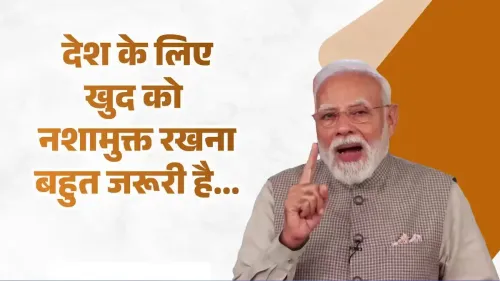
Rijiju's message was pointed: 'A #ViksitBharat requires a healthy, empowered and drug-free youth. Substance abuse can hinder the potential of our young people, making awareness, prevention and collective action essential.' The framing is deliberate — drug-free youth is not a welfare footnote but a structural requirement for the government's 2047 developed-nation vision, first outlined as the Viksit Bharat roadmap in 2023.
The logic is straightforward: a nation targeting economic and social transformation by its centenary of independence cannot afford to lose millions of productive young lives to addiction. Rijiju's call-out to the Ministry of Youth Affairs and Sports and the My Bharat platform signals an inter-ministerial push to embed anti-narcotics awareness inside mainstream youth engagement — not treat it as a siloed health problem.
Nasha Mukt Bharat Abhiyan: six years of community mobilisation
The Nasha Mukt Bharat Abhiyan was launched in August 2020 with a mandate to mobilise communities against substance abuse, with particular focus on young people in vulnerable districts. The programme spans awareness drives, outreach camps, and de-addiction support, coordinated across the ministries of social justice, youth affairs, and health — a rare, deliberately multi-ministerial architecture that reflects how seriously the Centre views the problem.
Paired with it is the Fit India Movement, inaugurated on 29 August 2019, which turned physical fitness from a personal choice into a mass national campaign, reaching schools, colleges, and community spaces. The combination — keep youth fit, keep youth informed, keep youth engaged — is the operating theory behind Rijiju's message.
My Bharat platform as the connective tissue
The tag to @MYBharatHQ points to a specific delivery mechanism: the My Bharat digital platform, designed to funnel young Indians into volunteerism, skill-building, and nation-building activities. Channelling energy toward constructive purpose, the minister argues, is itself a prevention strategy — an idle or directionless youth is a more vulnerable one. The platform offers a scalable way to recruit young people into the anti-addiction awareness ecosystem rather than simply broadcasting government messaging at them.
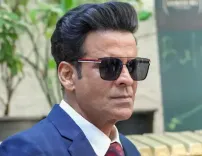
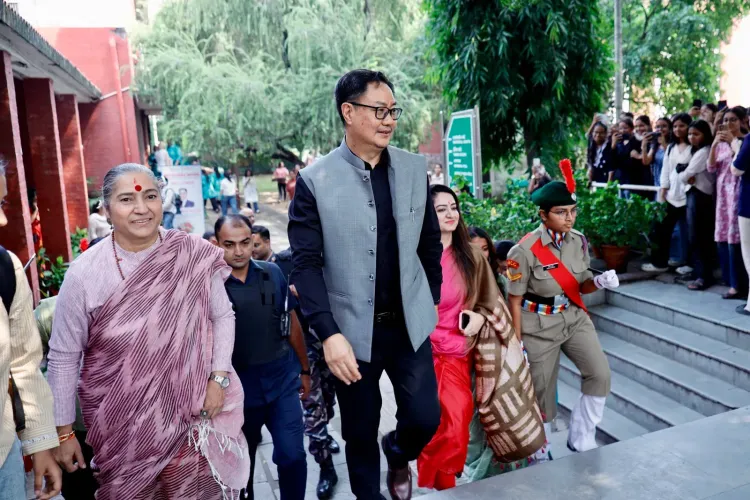
Rijiju's post, accompanied by four images, puts the weight of a senior Cabinet minister's visibility behind what might otherwise register as a routine welfare campaign. Coming from the Parliamentary Affairs minister — someone whose core job is legislative coordination — the signal to other ministries is hard to miss: this agenda has political priority at the top.
Point of View
Raising its stakes from welfare to national development. By tagging both the Youth Affairs Ministry and the My Bharat platform, the minister is signalling that delivery infrastructure already exists and needs political pressure to scale, not fresh legislation. The move reflects a broader BJP pattern of using social-media amplification by senior ministers to sustain momentum for flagship schemes between parliamentary sessions. Watch whether state-level Nasha Mukt Bharat Abhiyan data and My Bharat youth-registration figures are tabled in the upcoming winter session as proof of impact.
NationPress
13 Oct 2026
Frequently Asked Questions
What is Nasha Mukt Bharat Abhiyan?
Nasha Mukt Bharat Abhiyan is a central government initiative launched in August 2020 to create awareness about substance abuse, prevent drug use among youth, and support de-addiction through community mobilisation across multiple ministries.
What is the Fit India Movement and when was it launched?
The Fit India Movement is a nationwide programme launched on 29 August 2019 to promote physical fitness and healthy lifestyles among all age groups through school activities, community events, and institutional outreach.
What is Viksit Bharat and why does it matter for youth?
Viksit Bharat is the government's vision, outlined in 2023 , to achieve developed-nation status for India by 2047 . Youth are central to this goal because a healthy, skilled, and productive young population is the key driver of long-term economic and social progress.
What is the My Bharat platform?
My Bharat is a government digital platform designed to engage young Indians in volunteerism, skill development, and nation-building activities, serving as a connective layer across youth-focused government programmes.
Why is Kiren Rijiju promoting anti-drug awareness?
As a senior Cabinet minister and BJP leader, Rijiju is using his platform to amplify the government's multi-ministry push linking drug-free and physically fit youth to the broader Viksit Bharat 2047 national development roadmap.