Smriti Irani: Voter Roll Deletions Expose Opposition's 'Fake Vote Bank'
Synopsis
BJP leader Smriti Irani accused the opposition of being alarmed by the Election Commission's removal of dead and ineligible voters from electoral rolls, alleging the deletions are dismantling a 'fake vote bank' that benefited rival parties.
Key Takeaways
Smriti Irani posted on October 13, 2026 alleging the opposition's unease over voter-roll deletions betrays reliance on 'fake votes.' The Election Commission of India is constitutionally mandated to periodically revise electoral rolls, removing deceased, duplicate, and ineligible voters.
Similar Special Summary Revisions were conducted before the 2019 and 2024 Lok Sabha elections.
Allegations of bogus voters have historically been levelled by parties across the political spectrum in multiple states.
No official response from the opposition or the Election Commission has been issued in response to Irani's specific post.
The specific state or revision drive referenced in the post remains unverified from publicly available data.
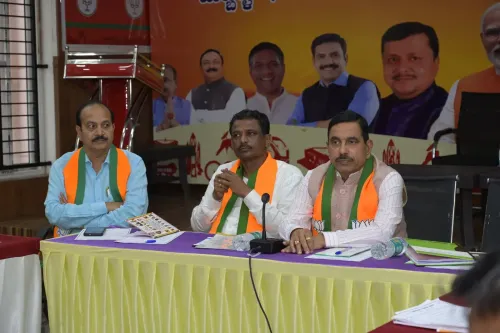
A routine Election Commission exercise has become a political flashpoint. BJP leader Smriti Irani on Tuesday, October 13, 2026 fired a pointed allegation at the opposition, claiming that the removal of dead and ineligible names from electoral rolls has left rival parties rattled — because, she argues, those names were the backbone of a 'fake vote bank.'
Posting in Hindi on X, Irani wrote: 'मतदाता सूची में से मृत या अपात्र नामों के हटाए जाने से विपक्ष अपने 'फर्जी वोट बैंक' के सफाए से परेशान है' — 'The opposition is upset over the cleaning of its fake vote bank through the removal of dead or ineligible names from the voter list.'
The voter-roll revision the charge hinges on
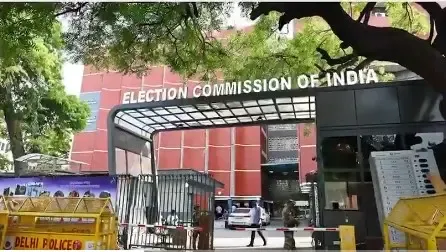
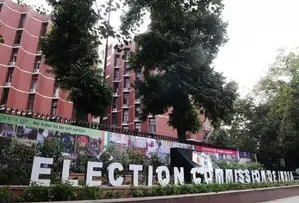
Periodic revision of electoral rolls is a constitutional mandate of the Election Commission of India, carried out under the Representation of the People Act. The Commission has regularly conducted Special Summary Revisions before major elections — including ahead of the 2019 and 2024 Lok Sabha polls — to strike off deceased, relocated, or duplicate voters. The exercise is standard administrative hygiene, not an extraordinary event.
What is not standard is how charged the politics around it has become. Allegations of bogus voters have been raised by parties across the spectrum in states from West Bengal to Uttar Pradesh to Maharashtra over the years. Each side tends to call the other's voters fraudulent and its own deletions 'targeted suppression.' Irani's post drops squarely into that recurring cycle — but this time, she frames the Commission's deletions as proof, not suspicion.
Why this accusation lands differently as an election cycle looms
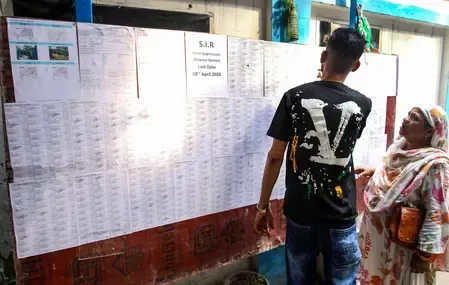
The timing sharpens the edge of the remark. Voter-list revisions published in the weeks or months before a state election create immediate political stakes: every deleted name is someone's potential vote, and competing narratives about who lost those names — the dead, the duplicate, or the disenfranchised — dominate campaign messaging. By attributing the opposition's objections to self-interest rather than democratic concern, Irani is pre-emptively contesting any grievance the opposition might raise against the deletion drive.
The opposition has not yet issued a formal public response to this specific post. The Election Commission has not commented.
The long accusation on both sides of the aisle
Allegations of 'ghost voters' are as old as Indian competitive democracy. What has changed is the speed and reach of the forum. A single X post by a senior national leader now sets the terms of debate before any official numbers — how many names were deleted, from which constituencies, under what criteria — are even on the table. The Commission's credibility depends on those specifics being transparent. Until they are, the claim and the counter-claim occupy the same evidentiary vacuum.
The real test will come when official data on the revision's scale is released — and whether the numbers tell a story of routine maintenance or something more contested.
Point of View
The BJP seeks to own the narrative of electoral integrity before official revision data is even public. The charge fits a longer BJP strategy of positioning the Election Commission's housekeeping exercises as evidence of structural opposition malfeasance. However, without specific deletion numbers or a named state, the accusation remains politically potent but factually unanchored — a dynamic the opposition could exploit by demanding transparency on the revision's scope and criteria.
NationPress
13 Oct 2026
Frequently Asked Questions
What did Smriti Irani say about the voter list?
Smriti Irani alleged that the opposition is disturbed by the Election Commission's removal of dead and ineligible names from electoral rolls because it eliminates what she called their 'fake vote bank.'
Why does the Election Commission delete names from the voter list?
The Election Commission of India periodically revises electoral rolls under the Representation of the People Act to remove names of deceased, relocated, or duplicate voters, ensuring the integrity of the electoral process.
Have such voter-list revisions happened before in India?
Yes. The Election Commission has conducted Special Summary Revisions of electoral rolls ahead of major elections, including before the 2019 and 2024 Lok Sabha elections.
Is the allegation of fake voters new in Indian politics?
No. Allegations of bogus or ghost voters have been raised by parties across the political spectrum in multiple Indian states over several election cycles.
Which state's voter list is Smriti Irani referring to?
The specific state or revision drive referenced in her October 2026 post has not been officially confirmed or named in her post.