SIR voter deletions row: BJP cites 2.8 crore deceased; Cong asks about 10.2 crore more
Synopsis
BJP has justified 2.8 crore of the 13 crore voter deletions under the ECI's SIR drive as removal of deceased names — but Congress MP Pawan Khera's pointed question about the remaining 10.2 crore has no answer yet. With Delhi showing a 32.8% cut and Maharashtra 21.1%, the scale of the revision has turned a routine electoral exercise into a high-stakes accountability battle.
Key Takeaways
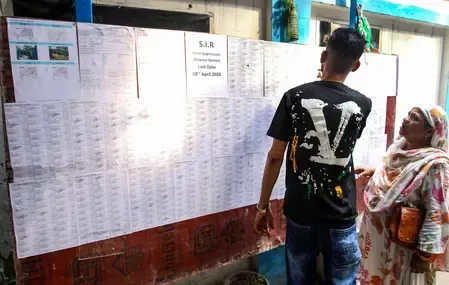
The ECI's Special Intensive Revision (SIR) , launched in June 2025 , has deleted 13 crore names from draft electoral rolls across 30 states and union territories .
BJP says 2.8 crore of those deletions were deceased voters, defending the drive as a necessary clean-up.
Congress MP Pawan Khera has demanded an explanation for the remaining 10.2 crore deletions not covered by the deceased-voter rationale.
Delhi recorded a 32.8% cut and Maharashtra a 21.1% cut — the highest among all states.
Congress accused BJP of admitting to over a decade of poor electoral roll maintenance by acknowledging nearly three crore deceased names remained active.
The ECI has not yet released a public category-wise breakdown of the 10.2 crore non-deceased deletions.
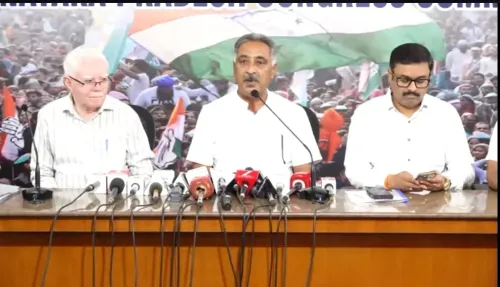
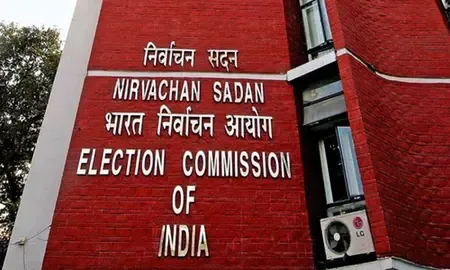
The controversy over the Election Commission of India's (ECI) Special Intensive Revision (SIR) drive erupted into a sharp political confrontation on Sunday, 27 September 2026, with the Bharatiya Janata Party (BJP) and the Indian National Congress trading accusations over the deletion of 13 crore names from electoral rolls across 30 states and union territories. Congress accused the poll panel of stripping genuine voters of their democratic rights, while BJP argued the purge was a necessary clean-up long overdue.
What the BJP Said
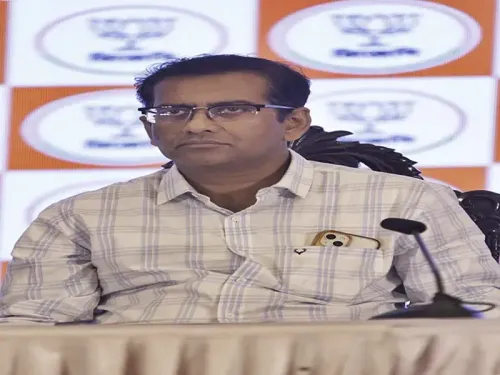
The ruling party defended the ECI's move, asserting that 2.8 crore of the 13 crore deleted names belonged to deceased voters. In a social media post, BJP questioned who had benefitted from retaining those names on the rolls. 'Who wants names that could be misused for bogus voting?' the party said, alleging that the opposition's pushback was aimed at preserving the potential for electoral manipulation. BJP further claimed the INDIA bloc was creating a 'ruckus' to obstruct a legitimate clean-up exercise.
Congress Presses on the Remaining 10.2 Crore
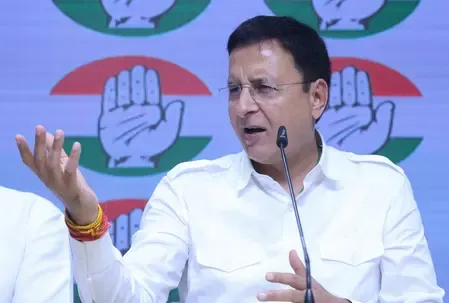
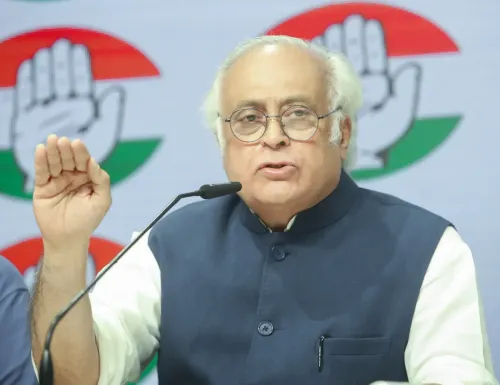
Congress MP Pawan Khera directly challenged BJP's explanation in a post on X. 'The BJP says 2.8 crore were deceased voters. Fair enough. What about the remaining 10.2 crore?' he asked. Khera accused the ruling party of 'mismanagement' of electoral rolls despite holding power for over a decade. 'If 2.8 crore dead people were still on the rolls, were the annual summary revisions since 2014 really that shoddy?' he said, pointedly questioning whether the BJP was implicitly admitting to years of poor roll maintenance.
Scale and Geography of the Deletions
The ECI's SIR drive, which commenced in June 2025, has resulted in the deletion of 13 crore voter names from draft electoral rolls across the country. Delhi and Maharashtra recorded the steepest cuts, registering reductions of 32.8% and 21.1% respectively — figures that have fuelled concern among opposition parties about the breadth of the revision. Congress and allied opposition outfits have, since the disclosure of the deletions, accused the ECI of systematically depriving eligible citizens of their right to vote.
The Deeper Accountability Question
This comes amid a broader debate over the integrity and frequency of electoral roll maintenance in India. Critics argue that if nearly 2.8 crore deceased voters remained on the rolls despite annual summary revisions mandated by law, it points to systemic gaps — gaps that existed under the current ruling dispensation. BJP, on the other hand, frames the SIR as evidence of decisive corrective action. Notably, the unaccounted 10.2 crore deletions — beyond the deceased — remain unexplained by either the ruling party or the ECI in publicly available detail, and this gap is the crux of the ongoing political dispute. All India opposition parties have called for greater transparency from the poll panel on the criteria used for deletion.
What Happens Next
The political pressure on the Election Commission of India to publish category-wise breakdowns of the deletions is expected to intensify in the coming days. With Bihar and several state assembly elections on the horizon, the credibility of the revised electoral rolls carries significant democratic consequence. Whether the ECI will issue a detailed public accounting of the 10.2 crore non-deceased deletions remains to be seen.
Point of View
While notable, actually strengthens Congress's central argument: if nearly three crore deceased voters survived annual legal revisions for over a decade under the same government, the admission is as much an indictment as a justification. The 10.2 crore gap is not a rhetorical flourish — it is a substantive transparency deficit that the ECI has not publicly addressed. In a democracy where each deletion is a disenfranchisement unless proven otherwise, the burden of proof lies squarely with the authority wielding the eraser. The timing — ahead of key state elections — makes the silence more consequential, not less.
NationPress
27 Sept 2026
Frequently Asked Questions
What is the Election Commission's Special Intensive Revision (SIR) drive?
The ECI's Special Intensive Revision is a nationwide exercise to clean up electoral rolls by removing ineligible, duplicate, or deceased voter entries. Launched in June 2025, it has so far resulted in the deletion of 13 crore names across 30 states and union territories, making it one of the largest voter-roll revisions in recent history.
Why is the 13 crore voter deletion controversial?
Opposition parties, led by Congress, argue that the sheer scale of deletions — including cuts of 32.8% in Delhi and 21.1% in Maharashtra — raises fears that genuine, eligible voters have been removed. Congress MP Pawan Khera has specifically asked what justifies the removal of the 10.2 crore names beyond the 2.8 crore that BJP attributes to deceased voters.
What has BJP said to defend the deletions?
BJP has defended the SIR by stating that 2.8 crore of the deleted names belonged to deceased voters who should never have remained on the rolls. The party alleged that opposition outrage is motivated by a desire to preserve names that could be exploited for fraudulent voting, and accused the INDIA bloc of obstructing a legitimate clean-up.
What questions has Congress raised about the SIR?
Congress MP Pawan Khera has asked the BJP to account for the remaining 10.2 crore deletions — beyond the 2.8 crore deceased — that have no publicly stated justification. He also questioned whether the presence of 2.8 crore deceased names on the rolls amounted to an admission that annual summary revisions under BJP rule since 2014 were inadequate.
Which states saw the highest voter deletions under SIR?
Delhi recorded the steepest proportional cut at 32.8%, followed by Maharashtra at 21.1%, according to available data from the ECI's SIR exercise. These two states have also been the epicentre of political protests against the deletions.