Jitendra Singh: People will punish Congress for SIR misinformation campaign
Synopsis
Union Minister Jitendra Singh broke down the contentious deletion of 13 crore voter names under the Special Intensive Revision — 6.03 crore migrants, three crore deceased, one crore duplicates — and accused the Congress of running a misinformation campaign to protect what he alleged were decades of bogus voting. With state elections on the horizon, the SIR controversy is set to become a major political flashpoint.
Key Takeaways
Union Minister Jitendra Singh defended the Special Intensive Revision (SIR) of electoral rolls at a press conference in Bengaluru on 3 November 2026 .
Approximately 13 crore names were removed: 6.03 crore migrants, ~3 crore deceased, and ~1 crore duplicate registrations.
Around 2.5 crore young voters were simultaneously added to the rolls.
Singh accused the Congress and TMC of opposing SIR to allegedly preserve bogus votes, and of making unfounded allegations against the Supreme Court and Election Commission .
He said Form 6 modification claims were unsubstantiated and that SIR data would not affect passport issuance.
SIR had not been conducted for nearly 20 years before this exercise, according to Singh.
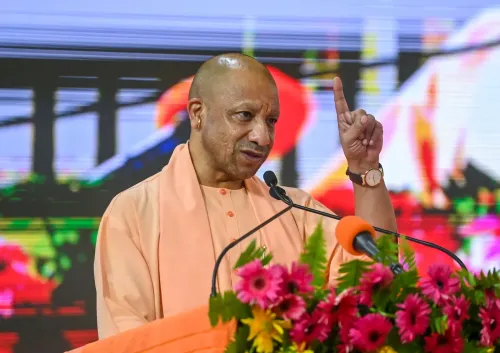
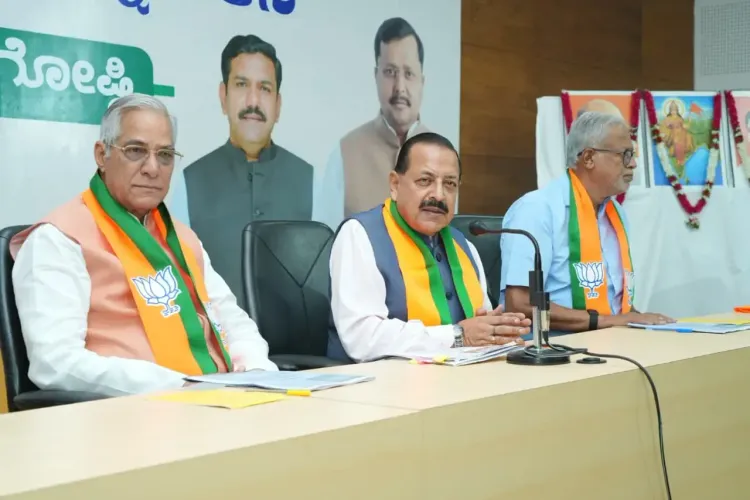
Union Minister Jitendra Singh on Tuesday, 3 November 2026, expressed confidence that the public would deliver a fitting electoral response to the Indian National Congress for what he termed its 'misinformation' campaign against the Special Intensive Revision (SIR) of electoral rolls. Singh made the remarks while addressing reporters at the Bharatiya Janata Party (BJP) state headquarters, Jagannath Bhavan, in Bengaluru.
Why SIR Was Initiated
Singh defended the SIR exercise, stating it had become necessary owing to large-scale voter migration, deaths, duplicate registrations, and what he alleged was illegal infiltration from foreign countries. He noted that the revision had not been carried out for nearly 20 years and congratulated both the Narendra Modi-led Central government and the Election Commission of India (ECI) for undertaking it after such a prolonged gap.
The minister maintained that the exercise was essential to preserve free and fair elections by purging the names of deceased persons, duplicate entries, and alleged illegal infiltrators from voter lists.
Breakdown of the 13 Crore Deletions
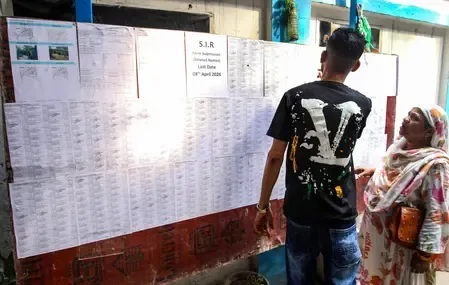
Responding to criticism over the deletion of nearly 13 crore names from electoral rolls, Singh offered a detailed breakdown. He said approximately 6.03 crore entries were removed because voters had shifted their place of residence and could not remain registered at two locations. Around three crore individuals had died, while roughly one crore voters had their names appearing at two different places.
Singh asserted that no eligible voter had been wrongly struck off the rolls, arguing that the removal of duplicate and deceased entries had specifically disrupted the ability of parties — including the Congress and the All India Trinamool Congress (TMC) — to allegedly exploit bogus votes. He cited Uttar Pradesh, Maharashtra, and Karnataka as states where duplicate registrations had been identified and cleaned up, noting that more than seven lakh Karnataka voters had appeared in rolls at two separate locations.
On the positive side, he highlighted that approximately 2.5 crore young voters had been added to the electoral rolls through the same process.
Congress Accused of Double Standards
Singh accused the Congress of making 'baseless' allegations against both the Supreme Court and the Election Commission of India. He recalled that the recent Legislative Council elections were conducted using ballot papers — a format critics of electronic voting machines often demand — yet the Congress still lost, arguing this showed voters had turned against the party irrespective of the method used.
Alleging that anti-national elements were receiving foreign financial assistance, Singh claimed that an individual he identified as 'Deepak' — whom he described as belonging to what he called the 'Cockroach Party' — had received funds from the United States, while another individual named 'Ashutosh' had reportedly received support from political figures in Pakistan. He questioned the credibility of both as political leaders. These claims could not be independently verified.
Form 6, Passport Clarification, and Karnataka Paper Leak
Addressing allegations that Form 6 had been modified as part of the SIR process, Singh said no evidence had been found to substantiate such claims. He also clarified that the concerned department had confirmed SIR data would not be used as a basis for granting passports.
Singh also pivoted to state-level issues, questioning why the Karnataka minister responsible for the recent question paper leak had not yet resigned. He condemned the use of derogatory language against Prime Minister Narendra Modi and dismissed the relevance of street protests in removing a democratically elected government. Rajya Sabha member Lehar Singh Siroya and former Minister and MLA S. Suresh Kumar were also present at the press conference.
What Comes Next
The political battle over the SIR exercise is likely to intensify ahead of upcoming state elections, with the Congress expected to continue challenging the deletions and the BJP defending the revision as a democratic safeguard. Independent scrutiny of the deletion methodology will be key to establishing whether any eligible voters were affected.
Point of View
Even when intentions are procedurally sound. Singh's breakdown of 13 crore deletions, while detailed, relies on government self-reporting with no independent audit cited. The Congress's opposition, meanwhile, risks looking obstructionist if it cannot demonstrate specific cases of wrongful deletion rather than aggregate political grievance. The real accountability gap here is the absence of a transparent, third-party verification mechanism that both sides could accept — and neither appears to be demanding one.
NationPress
3 Nov 2026
Frequently Asked Questions
What is the Special Intensive Revision (SIR) of electoral rolls?
The Special Intensive Revision (SIR) is a comprehensive exercise to clean up India's voter lists by removing deceased persons, duplicate registrations, and entries of voters who have migrated. According to Union Minister Jitendra Singh, the exercise had not been conducted for nearly 20 years before the current round.
Why were 13 crore names removed from electoral rolls?
Singh broke the deletions into three categories: approximately 6.03 crore entries removed because voters had migrated and could not be listed at two locations; around three crore due to the death of voters; and about one crore because of duplicate registrations. He maintained that no eligible voter was wrongfully deleted.
What is the Congress's objection to the SIR exercise?
The Congress has reportedly raised concerns about the scale of deletions and alleged irregularities, including claims about Form 6 modifications. Singh dismissed these as a 'misinformation' campaign and accused the party of double standards, arguing that its opposition stems from the revision disrupting alleged bogus voting practices.
How does SIR affect young and new voters?
While approximately 13 crore names were removed, Singh said about 2.5 crore young voters were added to the electoral rolls through the same SIR process, framing it as a net positive for democratic participation.
Will SIR data be used for passport applications?
No. Singh clarified that the concerned department has confirmed that SIR data will not be used as a basis for granting passports, dismissing concerns that the exercise could have administrative consequences beyond electoral rolls.