Rijiju Backs PM Modi's Call for Youth to Read Autobiographies
Synopsis
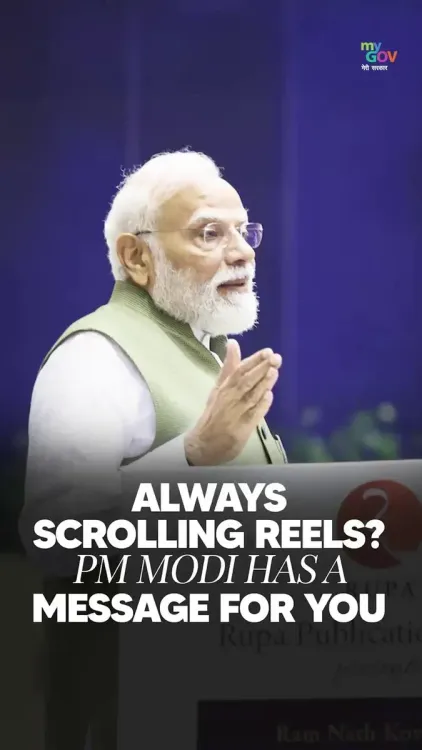
Union Parliamentary Affairs Minister Kiren Rijiju endorsed PM Narendra Modi's appeal to Indian youth to read autobiographies, calling them a window into history shaped by real lives. The post amplifies a broader cultural push by senior BJP leaders to promote reading and self-improvement among India's young population.
Key Takeaways
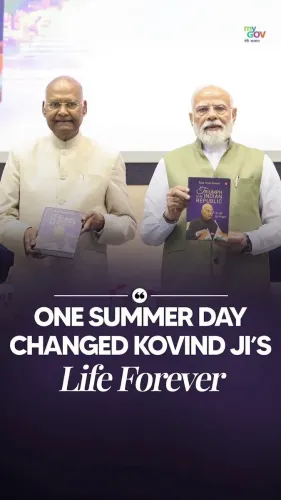
On 12 August 2026 , Union Parliamentary Affairs Minister Kiren Rijiju backed PM Narendra Modi's call for Indian youth to read autobiographies.
Rijiju described autobiographies as tools to 'learn from a life lived through challenges, choices and triumphs.' The minister framed the PM's appeal as 'an invitation to discover history through the eyes of those who shaped it.' The post is part of a broader pattern of senior BJP leaders using social media to promote reading and self-improvement among youth.
No new policy or scheme was announced; the outreach is cultural and aspirational in nature.
A minister's endorsement of reading rarely makes headlines — but when Union Parliamentary Affairs Minister Kiren Rijiju amplifies a call from Prime Minister Narendra Modi urging India's youth to pick up autobiographies, it signals something deliberate: a push to make self-directed historical learning a cultural habit, not just a classroom exercise.
Posting on 12 August 2026, Rijiju framed the Prime Minister's message with quiet conviction: 'A good autobiography does more than tell a story, it lets us learn from a life lived through challenges, choices and triumphs.' The minister cast Modi's appeal as 'an invitation to discover history through the eyes of those who shaped it' — and signed off with a three-part imperative: 'Read more. Learn more. Grow more.'
Why autobiographies, and why now?
The genre has a particular logic behind it. Autobiographies collapse the distance between a reader and a historical moment — they are, by nature, first-person accounts of decisions made under pressure, in real time. For a generation that consumes information in fragments, the argument is that a sustained first-person narrative trains a different kind of attention: one that follows consequence, weighs trade-offs, and sits with ambiguity. Prime Minister Modi has used social media and public addresses periodically to encourage reading among young Indians, framing it as both a personal-development tool and a way to engage with history on its own terms. Rijiju's post extends that messaging, lending it the weight of a senior cabinet voice.Ministers as reading ambassadors
This is not an isolated gesture. Indian ministers and the Prime Minister have increasingly used their social media platforms to promote reading and self-improvement as part of broader cultural and educational outreach — a soft-power exercise aimed at shaping aspirational habits among the country's enormous youth population. The messaging sidesteps the apparatus of formal policy: no scheme, no budget line, no ministry circular. The medium is the message — a tweet that asks young Indians to slow down and read a life. Whether the nudge translates into actual reading habits is the real test. But the consistency of the signal — senior leaders publicly championing books — at least keeps the conversation in the national feed. The next move to watch: whether the Ministry of Education or the Prime Minister's office follows with a curated list of recommended autobiographies, turning a social media moment into something with institutional legs.Point of View
High-visibility cultural signal — the kind of soft messaging that costs nothing in political capital but builds a consistent brand around learning and aspiration. The BJP's senior leadership has increasingly used social media not just for political combat but for lifestyle and values messaging aimed at youth. Amplifying the Prime Minister's reading recommendation is also an act of alignment: it reinforces Modi's image as a mentor-figure for young India, while Rijiju positions himself as a faithful carrier of that vision. The real question is whether this remains ambient social media noise or crystallises into a concrete reading initiative with institutional backing.
NationPress
27 Sept 2026
Frequently Asked Questions
What did Kiren Rijiju say about reading autobiographies?
Rijiju said a good autobiography does more than tell a story — it lets readers learn from a life lived through challenges, choices, and triumphs, and called PM Modi's appeal to youth an invitation to discover history through the eyes of those who shaped it.
Why is PM Modi encouraging youth to read autobiographies?
PM Modi has periodically urged young Indians to read autobiographies as a way to engage with history through first-person accounts and to draw personal and professional lessons from the lives of historical figures.
Is there a government scheme for promoting reading in India?
No new government scheme was announced with this post. The push is part of broader cultural and educational messaging by senior leaders on social media, not a formal policy initiative.
Who is Kiren Rijiju?
Kiren Rijiju is a senior BJP leader from Arunachal Pradesh who serves as Union Minister of Parliamentary Affairs and Minister of Minority Affairs in the Indian cabinet.
What kind of books is the government recommending Indian youth read?
The current messaging specifically highlights autobiographies as a genre, valuing their first-person perspective on historical events and personal decision-making, though no specific titles have been officially recommended in this post.