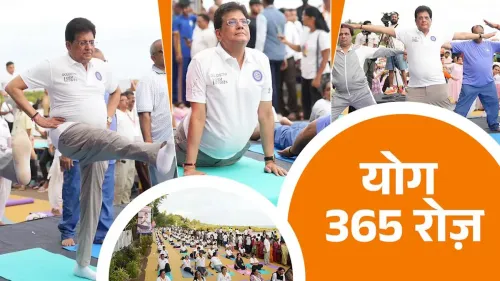
Rijiju Shares Modi's Call to Make Yoga a Lifelong Practice
Synopsis
On International Day of Yoga 2026, Union Minister Kiren Rijiju amplified PM Modi's appeal for Indians to make yoga a permanent part of family life across generations, moving beyond annual observances toward a sustained national wellness commitment.
Key Takeaways
Union Minister Kiren Rijiju shared PM Modi's message on International Day of Yoga 2026 on 21 June 2026 , urging lifelong commitment to yoga.
PM Modi originally proposed the International Day of Yoga at the UN General Assembly in 2014 ; the resolution was adopted unanimously.
The 2026 observance carried the theme #YogaForHealthyAgeing , with a focus on elderly citizens and intergenerational wellness.
The government has positioned yoga as both a cultural heritage asset and a public-health intervention since 2014 , with the Ministry of AYUSH leading annual campaigns.
Modi's quoted message called on Indians to make yoga 'a part of our lives, our families, and the generations to come' — moving beyond single-day participation.
Future policy action to watch includes possible integration of yoga into school curricula and senior-citizen schemes under the AYUSH Ministry .
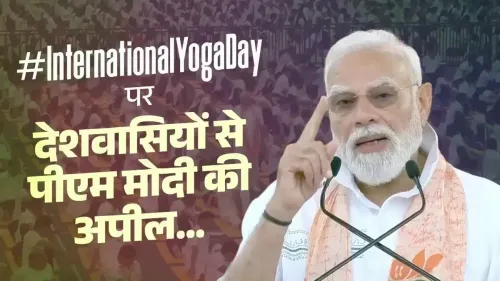
Union Parliamentary Affairs Minister Kiren Rijiju on Sunday, 21 June 2026 shared Prime Minister Narendra Modi's message on the occasion of International Day of Yoga 2026, urging citizens to integrate yoga into daily life rather than limiting it to a single annual event. The post, shared under the hashtag #YogaForHealthyAgeing, amplified the Prime Minister's call for a generational commitment to the practice.
Context
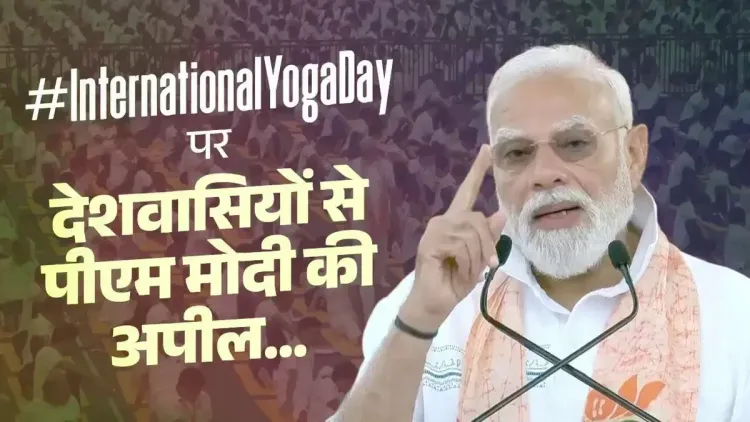
Rijiju's post quotes Prime Minister Modi directly: 'Karodo log yoga se judte hain' — 'Crores of people connect with yoga' on this day. Modi's message urged citizens to resolve that yoga would not be confined to a single day or a single event, but would become 'a part of our lives, our families, and the generations to come.' The post was accompanied by a video and shared at 11:42 AM IST on the day of the observance.
The International Day of Yoga is observed every year on 21 June. It was established by a United Nations General Assembly resolution in 2014 following India's proposal, moved by Prime Minister Modi himself during his address to the UN General Assembly that year. The resolution was adopted unanimously, reflecting broad global support.
Policy Backdrop
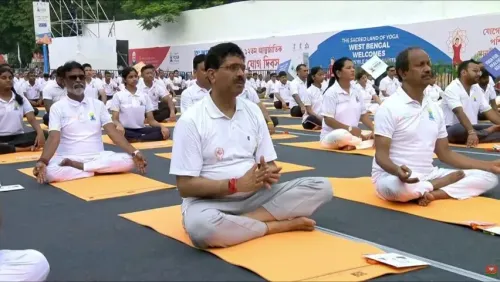
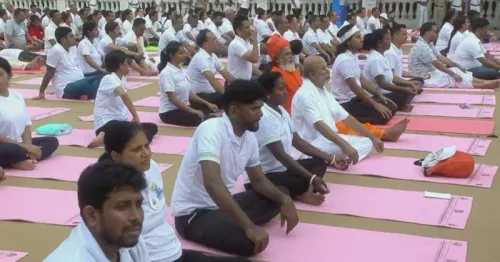
Since 2014, the Indian government has positioned yoga as both a cultural heritage asset and a scalable public-health tool. Annual 21 June observances have grown into large-scale national events, with participation spanning government offices, schools, military establishments, and public spaces. The Ministry of AYUSH has played a central coordinating role in these campaigns.
The hashtag #YogaForHealthyAgeing signals a deliberate policy emphasis on older citizens — a significant consideration given India's shifting demographic profile and growing elderly population. Ministers across the ruling coalition routinely amplify the Prime Minister's messaging on such occasions, reinforcing the government's effort to move public behaviour beyond one-day participation toward sustained practice.
Stakeholders and Impact
The primary audience for this message is the general public, particularly families and senior citizens. By invoking 'coming generations,' the Prime Minister's quoted message frames yoga not merely as personal wellness but as a cultural inheritance to be passed down. This framing aligns with the government's broader effort to anchor traditional wellness practices within national health policy.
The #YogaForHealthyAgeing theme also speaks directly to challenges faced by India's elderly population, for whom yoga offers a low-cost, accessible form of physical and mental maintenance. Grassroots yoga instructors, AYUSH practitioners, and community health workers stand to benefit from sustained government promotion of the discipline year-round.
What's Next
The government's messaging around this year's observance points toward potential policy action beyond the ceremonial — including possible integration of yoga into senior-citizen welfare schemes and school curricula under the AYUSH Ministry's expanding mandate. Whether the 'lifelong practice' rhetoric translates into structured programmes will be the measure of intent in the months ahead. Future announcements from the Ministry of AYUSH and allied departments are worth watching as the government seeks to institutionalise what has so far been driven largely by annual public events.
Frequently Asked Questions
When is International Day of Yoga celebrated and who proposed it?
International Day of Yoga is celebrated every year on 21 June . It was proposed by Prime Minister Narendra Modi at the UN General Assembly in 2014 and adopted unanimously by member states.
What did PM Modi say on International Day of Yoga 2026?
PM Modi urged crores of Indians to resolve that yoga would not be limited to a single day or event, but would become a part of their lives, their families, and future generations — a message shared under the hashtag #YogaForHealthyAgeing .
Why did Kiren Rijiju post about International Day of Yoga 2026?
Kiren Rijiju , Union Minister of Parliamentary Affairs and Minority Affairs, shared the Prime Minister's message on 21 June 2026 to amplify the government's call for yoga to become a lifelong national practice rather than an annual observance.
What is the theme of International Day of Yoga 2026?
The theme reflected in the government's messaging for International Day of Yoga 2026 is #YogaForHealthyAgeing , emphasising yoga's benefits for older citizens and long-term wellness.
What is the Indian government doing to promote yoga beyond 21 June?
The government has used the Ministry of AYUSH to coordinate year-round yoga promotion since 2014 , and policy watchers are tracking potential integration of yoga into school curricula and senior-citizen welfare schemes in the coming months.