Rijiju: Exam Malpractice Bill Passed by Both Houses
Synopsis
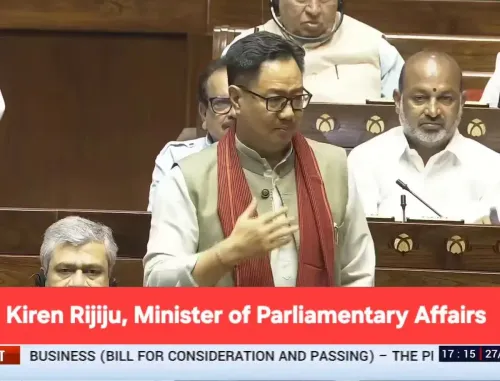
The Public Examinations (Prevention of Unfair Means) Amendment Bill, 2026 has been passed by both Houses of Parliament, Union Minister Kiren Rijiju announced. The law strengthens the 2024 Act that criminalised paper leaks and exam fraud, promising strict action against those who run malpractice networks targeting student aspirants.
Key Takeaways
The Public Examinations (Prevention of Unfair Means) Amendment Bill, 2026 has been passed by both the Lok Sabha and Rajya Sabha.
The bill amends the original Public Examinations (Prevention of Unfair Means) Act, 2024 , which first criminalised paper leaks and impersonation in government exams.
Union Minister Kiren Rijiju announced the passage on 30 July 2026 , warning that those who run paper leak networks 'will not be spared.' The legislation targets organised malpractice syndicates operating across exams such as NEET, SSC, and state recruitment tests .
The next critical step is notification of rules under the amended Act and enforcement in upcoming recruitment cycles.
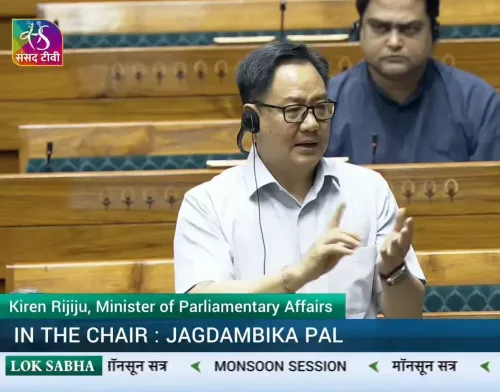
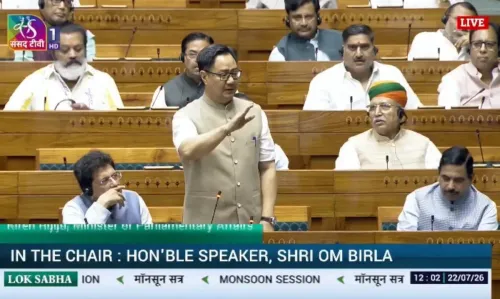
The future of millions of Indian students just got a legislative shield. Union Parliamentary Affairs Minister Kiren Rijiju announced on 30 July 2026 that the Public Examinations (Prevention of Unfair Means) Amendment Bill, 2026 has been passed by both Houses of Parliament — a decisive move to crush paper leak networks and restore faith in the country's high-stakes examination system.
Two years after the original law, Parliament tightens the screws
The 2026 amendment builds on the Public Examinations (Prevention of Unfair Means) Act, 2024, which first criminalised paper leaks, impersonation, and organised malpractice in government recruitment and entrance examinations. That law was itself a direct response to a wave of high-profile exam scandals — including controversies around NEET and multiple state-level recruitment tests — that shook public trust and derailed the careers of lakhs of aspirants. Two years on, Parliament has decided the original framework needed sharper teeth.
Rijiju framed the amendment in unambiguous terms: 'Merit will prevail. Malpractice will pay.' Those who 'manipulate examinations, run paper leak networks or attempt to steal the future of our youth,' he warned, 'will face the strictest action. No one who plays with the future of our students will be spared.'
Why paper leaks became a national crisis
India's examination ecosystem — spanning UPSC, SSC, state PSCs, NEET, JEE and dozens of recruitment boards — serves as the single most consequential gateway for crores of young Indians. A leaked question paper does not just hand an unfair advantage to a few; it invalidates years of honest preparation for hundreds of thousands. Successive leaks had exposed how organised syndicates operate across state lines, exploiting gaps in oversight and enforcement. The 2024 Act was a start. The 2026 amendment signals that the legislative response is still catching up with the scale of the problem.
What changes now — and what to watch
With both the Lok Sabha and Rajya Sabha having cleared the bill, the next critical phase is the notification of rules under the amended Act and its application to upcoming recruitment cycles. Exam bodies, vigilance agencies, and state governments will now need to align their enforcement machinery with the strengthened provisions. The real test of the law will come not in Parliament, but in how swiftly and visibly it is used the next time a leak surfaces.
For now, the message from the floor of Parliament is clear: India's exam system is not a market for manipulation. The aspirants grinding through early mornings and late nights deserve nothing less.
Point of View
Where laws follow scandals rather than pre-empt them. For the BJP government, passing the bill through both Houses is a visible political signal to a vast constituency of aspirants and their families, a demographic that has grown increasingly vocal about examination credibility. The real measure of success, however, will be prosecutorial — whether the strengthened law produces high-profile convictions or remains, like its predecessor, largely symbolic. Watch for whether enforcement actions actually materialise before the next major recruitment cycle.
NationPress
31 Jul 2026
Frequently Asked Questions
What is the Public Examinations (Prevention of Unfair Means) Amendment Bill, 2026?
It is a parliamentary amendment to the 2024 Act that criminalised paper leaks, impersonation, and organised malpractice in government recruitment and entrance examinations. The 2026 bill strengthens enforcement mechanisms and penalties under the original law.
Has the exam malpractice bill been passed by Parliament?
Yes. Union Minister Kiren Rijiju confirmed on 30 July 2026 that the Public Examinations (Prevention of Unfair Means) Amendment Bill, 2026 has been passed by both the Lok Sabha and the Rajya Sabha.
What exams does the paper leak law cover in India?
The law covers public examinations conducted by central bodies, including competitive and recruitment exams such as those held by SSC, UPSC, and national entrance tests like NEET and JEE, as well as exams administered by other government-authorised bodies.
What is the punishment for paper leaks under the new exam law?
The 2024 parent Act introduced criminal penalties for paper leaks and malpractice. The 2026 amendment tightens these provisions further, though the specific penalty schedules under the amended bill will be detailed in the rules notified by the government.
Why was a new exam malpractice law needed after the 2024 Act?
Recurrent paper leak scandals — including controversies linked to NEET and state recruitment exams — revealed that the 2024 Act's deterrence was insufficient against organised syndicates. The 2026 amendment is Parliament's response to close those enforcement gaps.