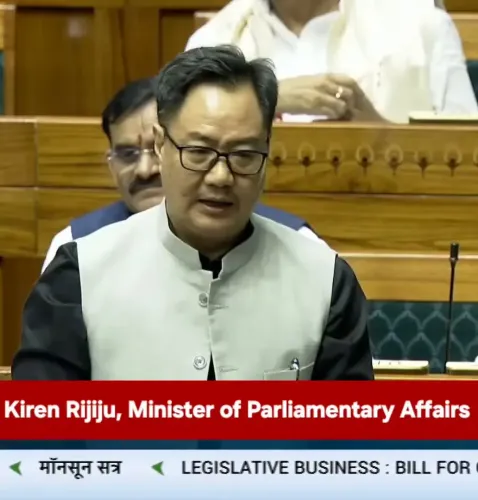
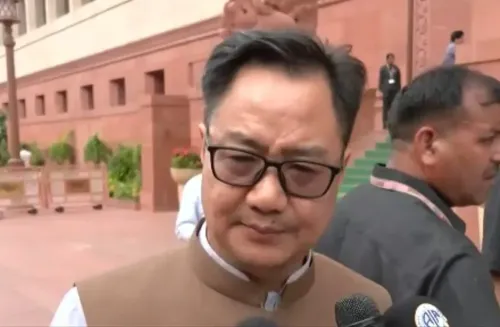
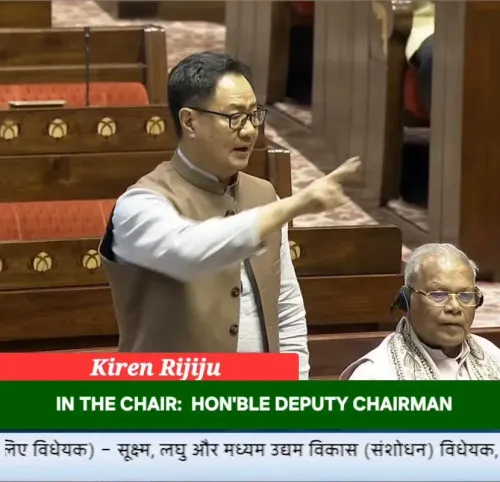
Rijiju fires at opposition over Parliament debate avoidance
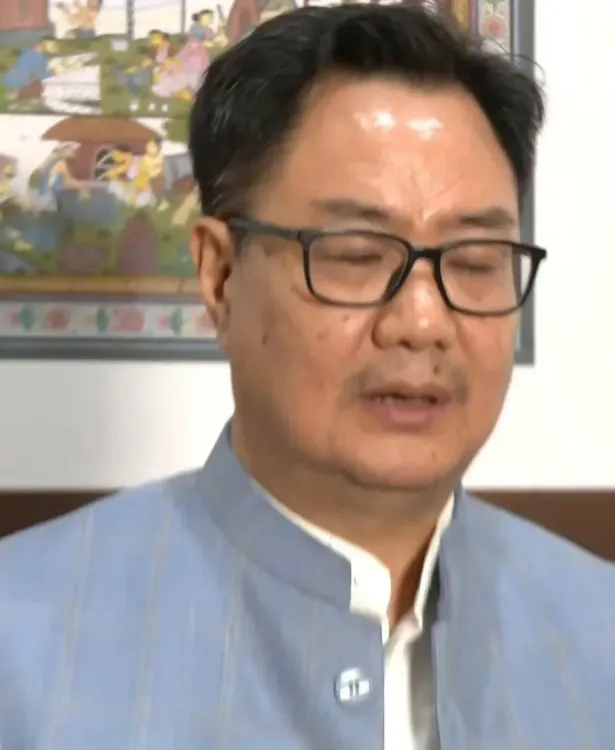
Synopsis
Union Parliamentary Affairs Minister Kiren Rijiju accused the opposition of being the side that avoids parliamentary debate, flipping the long-running narrative that the government dodges accountability. The remark, posted on 12 August 2026, intensifies the blame game ahead of the next session.
Key Takeaways
Kiren Rijiju , Union Parliamentary Affairs Minister, publicly accused the opposition of not wanting government answers in Parliament.
The post was made on 12 August 2026 , ahead of the next scheduled parliamentary session.
Rijiju's framing directly inverts the opposition's standard charge that the government avoids discussion.
Indian Parliament has lost significant sitting hours since 2014 to mutual disruptions and adjournments, with both sides blaming each other.
As Parliamentary Affairs Minister, Rijiju is directly responsible for negotiating legislative business and debate time in both Houses.
The specific trigger for the post — a particular session event or opposition action — has not been confirmed.
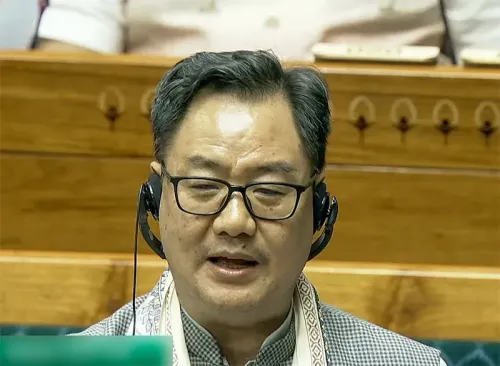
A sharp political broadside landed on Wednesday evening when Union Parliamentary Affairs Minister Kiren Rijiju turned the accountability argument on its head — accusing the opposition of being the party that actually flees debate, not the government.
Posting on 12 August 2026, Rijiju wrote: 'I've never seen an opposition party who doesn't want discussion and answer from the govt.' The exclamation marks were deliberate. For a minister whose entire portfolio is managing the government's legislative business in Parliament, the message was pointed: the ruling side is ready to answer; it is the opposition benches, he argued, that keep walking out.
The oldest fight in Indian parliamentary politics
The charge is not new, but it never loses its edge. Since 2014, successive sessions of the Lok Sabha and Rajya Sabha have been marked by a familiar cycle — disruptions, adjournments, and competing press conferences outside the chamber, each side insisting the other is the one dodging scrutiny. The government has repeatedly moved adjournment motions and tabled discussion notices; the opposition has countered that the treasury benches refuse to take up their preferred subjects. The result, session after session, has been lost sitting hours that neither side can afford to own. Rijiju, as Parliamentary Affairs Minister, sits at the centre of that tug-of-war. His job is to negotiate the legislative calendar, broker agreements on debate time, and — when negotiations fail — take the argument public. Wednesday's post was the latter.Why the framing matters
The rhetorical move here is significant. Opposition parties have long framed their walkouts as a protest against a government that 'refuses to discuss' sensitive issues. Rijiju's post inverts that narrative entirely: it is the opposition, he says, that has no appetite for the government's answers. The implication is that disruption is a shield, not a sword — a way to avoid being on the record when the government responds. Whether that framing holds will depend on what unfolds in the next scheduled parliamentary session. Formal notices, adjournment motions, and the actual conduct of floor business will be the real scorecard — not social media posts from either side. The volley has been fired. Parliament will eventually have to answer it.Point of View
The government attempts to shift the burden of proof before Parliament even convenes. It fits a decade-long BJP communications pattern of reframing procedural disputes as opposition bad faith rather than government accountability failures. The sharpness of the language suggests either a specific provocation the government wants on record, or a deliberate effort to set the narrative before the next session's flashpoints emerge. Either way, the opposition will now have to respond on the government's chosen terrain.
NationPress
12 Aug 2026
Frequently Asked Questions
What did Kiren Rijiju say about the opposition and Parliament debates?
Rijiju posted on 12 August 2026 that he has 'never seen an opposition party who doesn't want discussion and answer from the govt,' accusing the opposition of avoiding government responses rather than seeking them.
Who is Kiren Rijiju and what is his role in Parliament?
Kiren Rijiju is the Union Minister of Parliamentary Affairs and Minister of Minority Affairs, a senior BJP leader from Arunachal Pradesh. His ministry manages the government's legislative agenda and negotiates debate schedules in both Houses.
Why do Indian parliamentary sessions frequently get disrupted?
Both the ruling coalition and opposition parties have historically accused each other of avoiding debate. Disruptions, walkouts, and adjournments over preferred agenda items have led to significant loss of sitting hours across sessions since 2014.
What happens when Parliament is disrupted repeatedly?
Repeated disruptions result in legislative business being deferred, bills not being debated, and question-hour sessions being lost — reducing Parliament's output and drawing criticism from constitutional experts and the public alike.
What should we watch for after Rijiju's statement?
The conduct of the next scheduled parliamentary session will be the real test — specifically whether opposition parties file formal discussion notices, how the government responds, and whether floor time is actually used for debate or lost to further adjournments.