Rijiju flags Centre-Uttarakhand tie-up to boost artisan heritage
Synopsis
Union Minister Kiren Rijiju on 11 July 2026 spotlighted a Ministry of Minority Affairs partnership with Uttarakhand at the Lok Samvardhan Parv, linking NMDFC's credit and marketing support to the preservation of the state's traditional arts, crafts, and culinary heritage.
Key Takeaways
Union Minister Kiren Rijiju announced a partnership between the Ministry of Minority Affairs and the Government of Uttarakhand on 11 July 2026 .
The tie-up aims to preserve Uttarakhand's traditional arts, crafts, and culinary heritage under the banner of Centre-State collaboration.
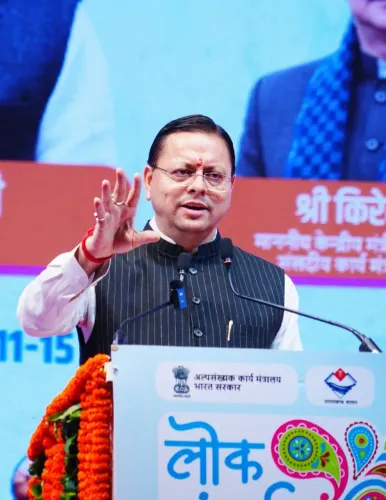
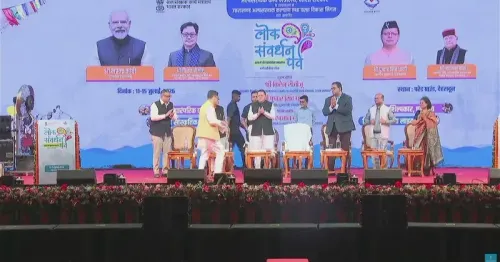
The Lok Samvardhan Parv festival served as the platform, linking cultural heritage to empowerment, inclusive development, and sustainable livelihoods.
The National Minorities Development and Finance Corporation (NMDFC) , set up in 1994 , is operationally involved, providing concessional credit and marketing support to artisans.
The initiative draws on the USTTAD scheme (2015) and the PM's 15-Point Programme for Minority Welfare , both of which mandate Centre-State cooperation on traditional crafts preservation.
Formal MoU terms, funding envelope, and implementation timelines have not yet been publicly disclosed.
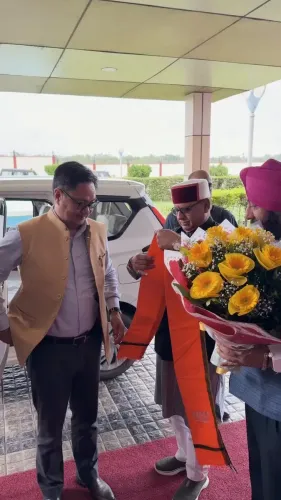
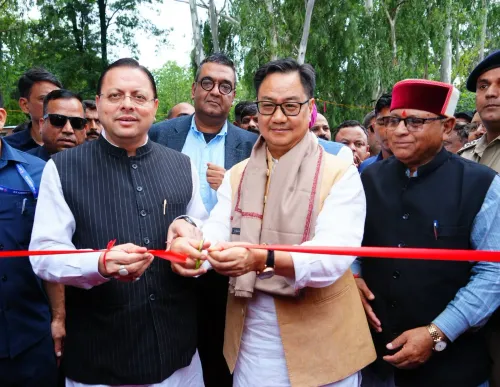
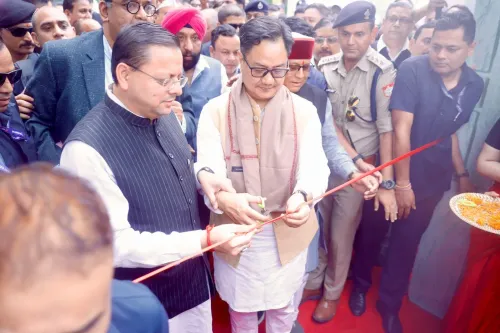
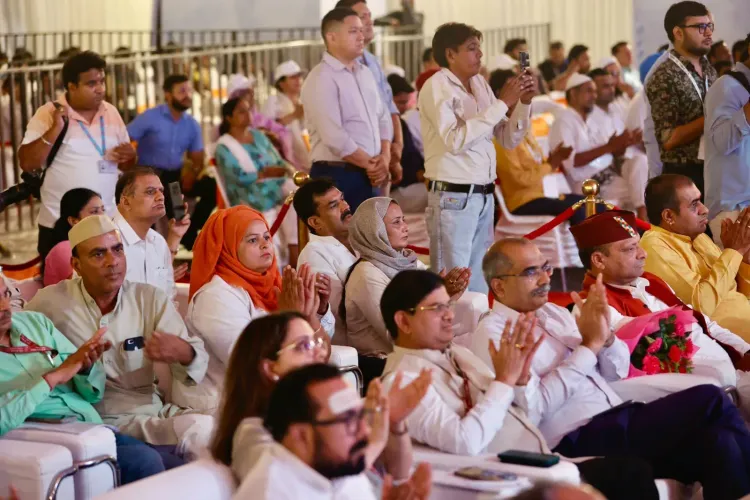
Union Parliamentary Affairs and Minority Affairs Minister Kiren Rijiju on Saturday, 11 July 2026 highlighted a new partnership between the Ministry of Minority Affairs (MoMA) and the Government of Uttarakhand aimed at preserving the state's traditional arts, crafts, and culinary heritage, calling it a milestone in Centre-State collaboration. Rijiju, who also interacted with artisans at the event, shared his remarks in a reply to Uttarakhand Chief Minister Pushkar Singh Dhami on X.
Context
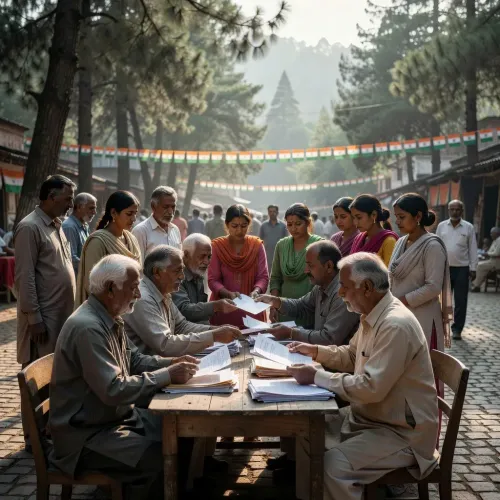
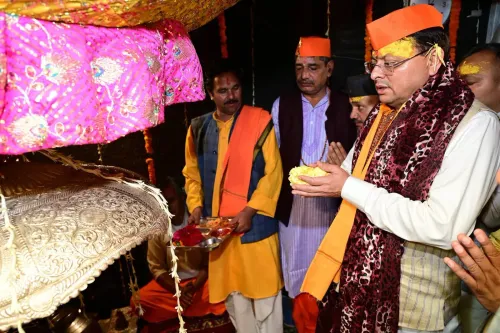
Rijiju described the MoMA-Uttarakhand partnership as 'a new chapter in strengthening Centre-State collaboration to preserve India's rich traditional arts, crafts and culinary heritage in Devbhoomi Uttarakhand.' The occasion was the Lok Samvardhan Parv, a cultural festival designed to showcase regional heritage and link artisan skills to livelihood generation. The minister noted that he 'interacted with talented artisans and appreciated their craftsmanship and dedication.'
The National Minorities Development and Finance Corporation (NMDFC) was tagged in the post, signalling its operational role in the initiative. NMDFC, a central public-sector undertaking established in 1994, provides concessional credit and marketing support to artisans and entrepreneurs from minority communities.
Policy Backdrop
The Ministry of Minority Affairs was established in 2006 with a mandate covering welfare, education, and economic development for notified minority communities. Its USTTAD scheme, launched in 2015, has been a key instrument for upgrading skills and market access for traditional arts and crafts practised by minority artisans.
The Prime Minister's 15-Point Programme for Minority Welfare, revised in 2006, explicitly encourages Centre-State coordination on the preservation of traditional arts and crafts — the policy lineage that the current Uttarakhand partnership draws from. Successive governments have embedded cultural heritage preservation inside minority-development and livelihood frameworks rather than treating it as a stand-alone cultural activity.
Uttarakhand, officially referred to as Devbhoomi (land of the gods), maintains active cultural and tourism policies centred on traditional crafts, and hill states like it have increasingly sought central funding and market linkages for GI-tagged products and craft clusters since 2014.
Stakeholders and Impact
The partnership directly targets minority artisans and Uttarakhand craftspeople, connecting them to NMDFC's credit and marketing infrastructure. The Lok Samvardhan Parv format — which Rijiju described as celebrating 'cultural heritage while promoting empowerment, inclusive development and sustainable livelihoods' — links intangible heritage to skill certification, micro-finance, and tourism circuits.
Centre-State memoranda of understanding of this kind have become more frequent in recent years as states seek federal resources for craft clusters. For Uttarakhand artisans, the arrangement could mean expanded access to term loans, micro-finance, and national craft fairs facilitated by NMDFC.
What's Next
Formal details of the partnership — including any memorandum of understanding, funding envelope, or implementation timeline — are yet to be publicly announced. Observers will watch for NMDFC-supported artisans from Uttarakhand being included in forthcoming national craft melas or state-level exhibitions. If formalised with a dedicated budget allocation, the tie-up could serve as a template for similar Centre-State arrangements in other heritage-rich hill states, deepening the model of embedding cultural preservation within minority-development finance architecture.
Point of View
The Ministry of Minority Affairs is reinforcing a governance pattern — visible since 2014 — of treating intangible cultural assets as livelihood instruments rather than purely ceremonial ones. The Lok Samvardhan Parv format also gives the Centre a visible, media-friendly platform to showcase minority outreach in a state not primarily associated with minority-community issues, broadening the political optics of the scheme. Whether the partnership translates into measurable credit disbursals and market access for artisans will be the real test of its policy substance.
NationPress
10 Oct 2026
Frequently Asked Questions
What is the Ministry of Minority Affairs partnership with Uttarakhand about?
The partnership between the Ministry of Minority Affairs and the Government of Uttarakhand aims to preserve the state's traditional arts, crafts, and culinary heritage while promoting livelihoods for artisans through NMDFC's credit and marketing support.
What is Lok Samvardhan Parv?
Lok Samvardhan Parv is a periodic cultural festival organised to showcase regional heritage, artisan skills, and culinary traditions while linking them to livelihood generation and inclusive development.
What is NMDFC and what role does it play for artisans?
The National Minorities Development and Finance Corporation (NMDFC) is a central public-sector undertaking established in 1994 that provides concessional term loans, micro-finance, and marketing support to artisans and entrepreneurs from minority communities to preserve hereditary trades.
What is the USTTAD scheme mentioned in the context of minority artisans?
USTTAD is a Ministry of Minority Affairs scheme launched in 2015 to upgrade the skills and market access of traditional artisans from minority communities, forming a key policy instrument behind initiatives like the Uttarakhand partnership.
What did Kiren Rijiju say at Lok Samvardhan Parv in Uttarakhand?
Rijiju described the MoMA-Uttarakhand partnership as 'a new chapter in strengthening Centre-State collaboration' and said the Lok Samvardhan Parv 'celebrates our cultural heritage while promoting empowerment, inclusive development and sustainable livelihoods,' adding that he interacted with and appreciated the work of local artisans.