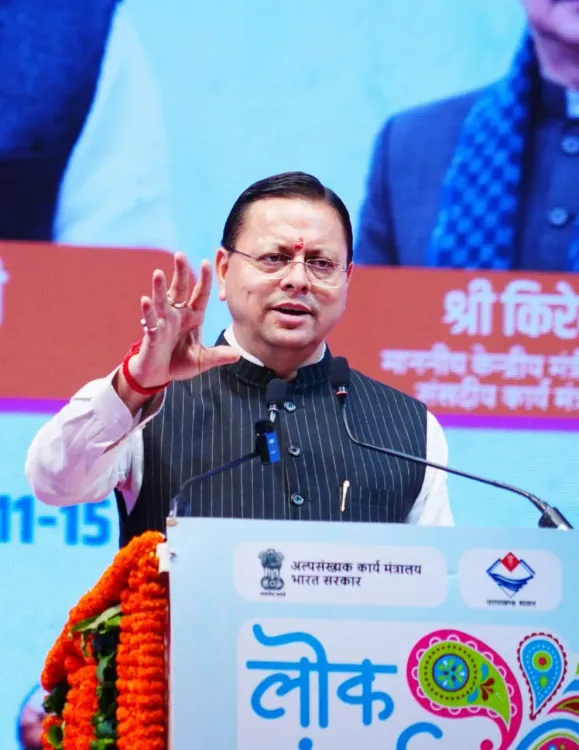
CM Dhami launches 6th Lok Sanvardhan Parv in Dehradun
Synopsis
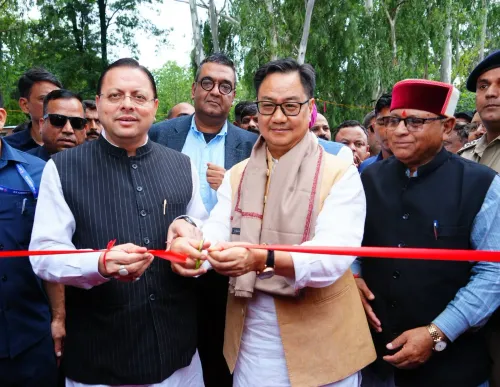
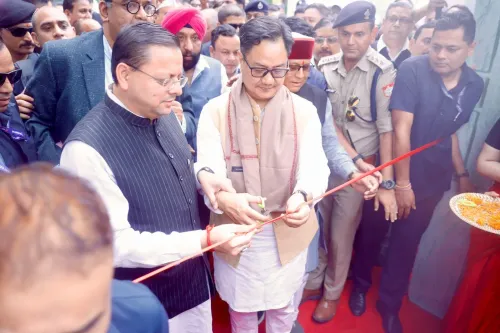
Chief Minister Pushkar Singh Dhami launched the 6th Lok Sanvardhan Parv at Parade Ground, Dehradun, on 11 July alongside Union Minister Kiren Rijiju. Uttarakhand became the first state to partner with the Ministry of Minority Affairs for the festival, which runs till 15 July with over 150 stalls of artisans and craftspeople from across India.
Key Takeaways
Uttarakhand is the first state in India to partner with the Union Ministry of Minority Affairs to host the Lok Sanvardhan Parv.
The sixth edition of the festival runs from 11 to 15 July at Parade Ground, Dehradun , with more than 150 stalls .
The festival is organised under the PM Vikas Yojana (Pradhan Mantri Virasat Ka Samvardhan), which links minority artisans to marketing and employment opportunities.
CM Dhami participated in the 'Ek Ped Maa Ke Naam' plantation campaign at the inauguration.
The state government cited schemes including Mukhyamantri Hunar Yojana , House of Himalayas , and Ek Janpad Do Utpad as complementary efforts for artisan and minority welfare.
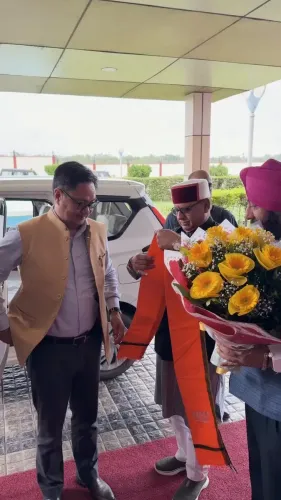
Union Minister Kiren Rijiju and Cabinet Minister Khajan Das were among the senior officials present at the launch.
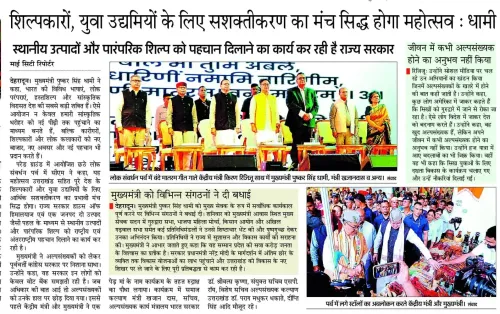
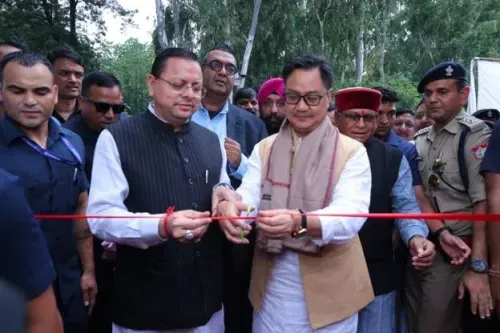
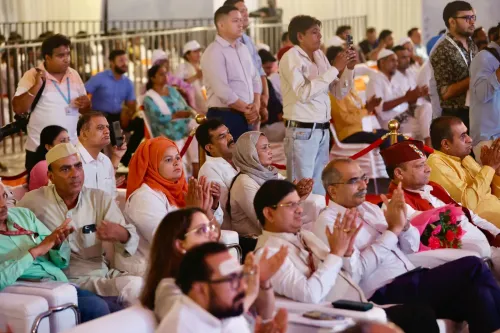
Chief Minister Pushkar Singh Dhami inaugurated the sixth edition of the Lok Sanvardhan Parv at Parade Ground, Dehradun, on Saturday, 11 July, in the presence of Union Minister of Minority Affairs Kiren Rijiju. The five-day cultural festival, running from 11 to 15 July, brings together artisans, craftspeople, folk artists, entrepreneurs, and culinary experts from across the country to showcase traditional arts, crafts, and local products at more than 150 stalls.
Context
The Lok Sanvardhan Parv is an annual cultural festival organised under the Union Ministry of Minority Affairs' PM Vikas Yojana — formally the Pradhan Mantri Virasat Ka Samvardhan scheme — which aims to provide artisans and craftsmen from minority communities with marketing support, branding opportunities, and pathways to employment. This year's edition marks a significant milestone: Uttarakhand has become the first state in India to partner with the Ministry of Minority Affairs in hosting the festival.
At the inauguration, CM Dhami also participated in a plantation drive under the 'Ek Ped Maa Ke Naam' (One Tree in Mother's Name) campaign, a national initiative that integrates environmental awareness with public events. Uttarakhand's traditional arts and products have been given prominent space among the more than 150 stalls at the venue.
Policy Backdrop
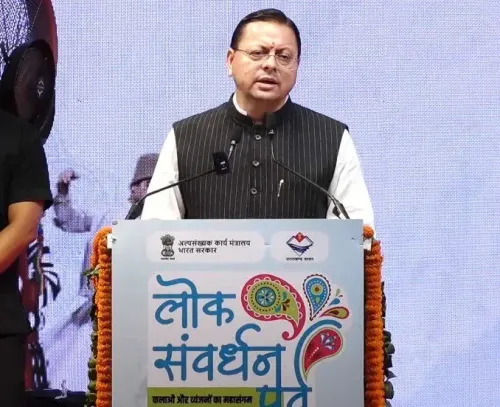
Speaking at the event, CM Dhami described Uttarakhand's role as the first state partner as a matter of 'immense pride,' saying it was 'not merely the result of administrative coordination, but proof that Uttarakhand is always committed to playing a leading role in the effective implementation of national development and public welfare initiatives.' He invoked Prime Minister Narendra Modi's governing motto — 'Sabka Saath, Sabka Vikas, Sabka Vishwas aur Sabka Prayas' (Together with all, development for all, trust of all, and effort of all) — as the shared framework guiding both the Centre and the state.
The Chief Minister highlighted a range of schemes his government runs for the educational, economic, and social empowerment of minority communities, including scholarships, the Mukhyamantri Hunar Yojana (skill development), meritorious girl-student incentives, self-employment support, and education loans. He also cited the state's 'House of Himalayas' brand and the 'Ek Janpad Do Utpad' (One District Two Products) programme as vehicles to give Uttarakhand's local products and traditional crafts national and international recognition.
Stakeholders and Impact
Union Minister Kiren Rijiju described the Lok Sanvardhan Parv as 'not merely an exhibition, but a national celebration of India's cultural diversity, traditional skills, and the dignity of artisans.' He said the Central government, under PM Modi's guidance, is continuously working to connect traditional craft, folk culture, and minority-community artisans with national and global markets. He praised Uttarakhand's participation as a reflection of the state's 'cultural commitment and development-oriented thinking.'
The festival directly benefits artisans, craftspeople, and young entrepreneurs from multiple states who gain access to a wider consumer base and visibility beyond their home regions. For Uttarakhand specifically, the platform complements existing state branding efforts by placing locally made goods alongside products from across India, creating cross-state commercial exposure. Cabinet Minister Khajan Das, Ministry of Minority Affairs Secretary Dr. Shrivats Krishna, Joint Secretary S.P. Roy, and Special Secretary for Minority Welfare Uttarakhand Dr. Parag Madhukar Dhakate were also present at the event.
What's Next
The festival continues through 15 July, with visitors expected to engage with stalls spanning folk art, handloom, handicrafts, regional cuisine, and entrepreneurship. Uttarakhand's precedent as the first state partner under PM Vikas Yojana's festival format could encourage other state governments to seek similar central tie-ups, potentially expanding the Lok Sanvardhan Parv's footprint in future editions. The measurable outcomes — artisan sales figures, scheme registrations, and market linkages forged during the event — will be a key indicator of whether the cultural-economic model delivers tangible results for minority craftspeople.
Point of View
Artisan economic inclusion, and political messaging around 'Sabka Saath, Sabka Vikas.' For the Ministry of Minority Affairs, securing a willing state partner validates the PM Vikas Yojana's festival model as a replicable template. Whether the partnership yields measurable economic gains for artisans — beyond the optics of a well-attended fair — will determine whether other states follow Uttarakhand's lead.
NationPress
10 Oct 2026
Frequently Asked Questions
What is Lok Sanvardhan Parv?
Lok Sanvardhan Parv is an annual cultural festival organised by the Union Ministry of Minority Affairs under the PM Vikas Yojana. It showcases folk arts, traditional crafts, handloom, regional cuisine, and local products from artisans and entrepreneurs across India, providing them with market access and branding opportunities.
Where and when is the 6th Lok Sanvardhan Parv being held?
The 6th Lok Sanvardhan Parv is being held at Parade Ground in Dehradun, Uttarakhand, from 11 to 15 July. It was inaugurated by Chief Minister Pushkar Singh Dhami in the presence of Union Minister Kiren Rijiju.
Why is Uttarakhand significant in this festival?
Uttarakhand became the first state in India to partner with the Ministry of Minority Affairs in hosting the Lok Sanvardhan Parv. CM Dhami described this as a mark of the state's commitment to leading national development and public welfare initiatives.
What is PM Vikas Yojana?
PM Vikas Yojana, or Pradhan Mantri Virasat Ka Samvardhan, is a Central government scheme focused on heritage preservation, skill development, and market linkage for artisans and craftspeople from minority communities. The Lok Sanvardhan Parv is organised under this scheme.
What schemes does Uttarakhand run for minority communities?
Uttarakhand runs several schemes for minority communities including scholarships, the Mukhyamantri Hunar Yojana for skill development, meritorious girl-student incentives, self-employment and education loan support, and area development programmes. The state also promotes local products through 'House of Himalayas' and the 'Ek Janpad Do Utpad' initiative.