Rijiju Hails Vikram-1 as Milestone for India's Private Space Sector
Synopsis
Union Minister Kiren Rijiju on 18 July 2026 hailed the launch of Vikram-1 by Hyderabad-based Skyroot Aerospace as a proud milestone, calling it proof that India's 2020 space sector reforms and IN-SPACe framework are enabling homegrown private innovation in orbital launch capability.
Key Takeaways
Union Parliamentary Affairs Minister Kiren Rijiju publicly congratulated Skyroot Aerospace on 18 July 2026 for the launch of Vikram-1 .
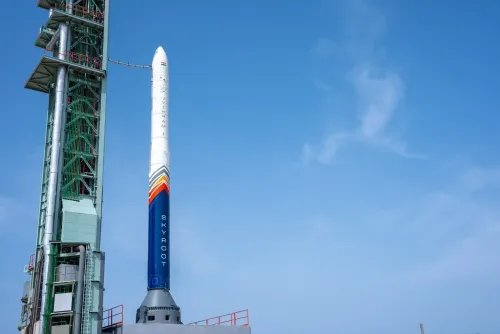
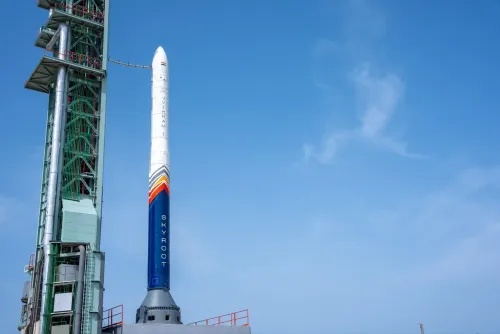
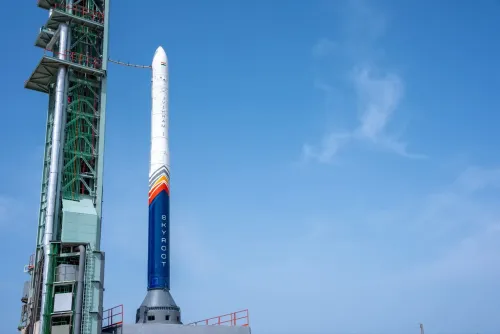
Vikram-1 is described as India's first privately developed orbital launch vehicle, named after space pioneer Vikram Sarabhai .
Skyroot Aerospace is a Hyderabad -based startup founded in 2018 that previously conducted India's first private sub-orbital rocket launch in November 2022 .
India's 2020 space sector reforms and the creation of IN-SPACe enabled private firms to develop and operate launch vehicles alongside ISRO.
The launch is seen as evidence of India's growing NewSpace ecosystem and its ambition to expand its share of the global satellite launch market.
Future orbital attempts by other Indian private startups and new IN-SPACe licensing guidelines are the key developments to watch.
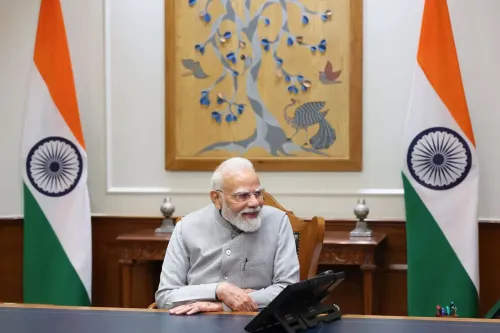
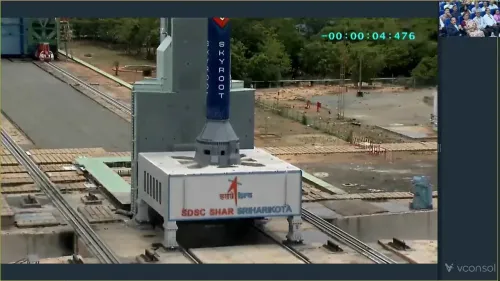
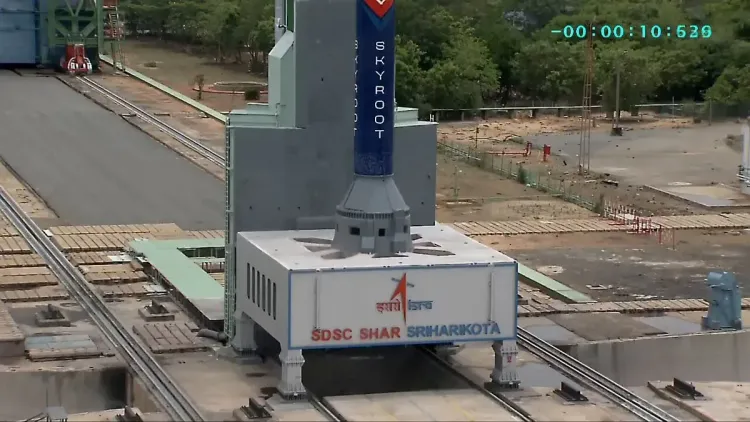
Union Parliamentary Affairs Minister Kiren Rijiju on Saturday, 18 July 2026, congratulated Skyroot Aerospace on the successful launch of Vikram-1, describing it as a proud milestone for India's space journey and a direct outcome of the country's space sector reforms.
Context
Rijiju, a senior BJP leader from Arunachal Pradesh serving also as Minister of Minority Affairs, took to X to extend his congratulations to Team Skyroot. He wrote that the achievement 'reflects the strength of India's space sector reforms, homegrown innovation and entrepreneurial spirit.' The post was accompanied by a video and tagged with #IndiaWithVikram1 and #Vikram1.
Vikram-1 is the first orbital-class launch vehicle developed entirely by a private Indian company. The rocket is named in honour of space pioneer Vikram Sarabhai, widely regarded as the father of India's space programme.
Policy Backdrop
The launch is a product of India's landmark 2020 space sector reforms, which opened the country's space economy to private participation for the first time. The government established IN-SPACe — the Indian National Space Promotion and Authorisation Centre — as the regulatory and promotional body to enable private firms to build, test, and operate launch vehicles alongside ISRO.
Skyroot Aerospace, founded in 2018 and headquartered in Hyderabad, is among the first wave of startups to emerge from that liberalised environment. The company has been developing the Vikram series of small satellite launch vehicles, with Vikram-1 being its orbital-class offering designed to carry small payloads to low Earth orbit.
India's push mirrors global NewSpace trends, where private companies such as SpaceX and Rocket Lab have reshaped commercial launch markets. The government's stated ambition is to significantly grow the domestic space economy and capture a larger share of the global satellite launch market.
Stakeholders and Impact
The successful orbital launch, if confirmed, would mark a historic first for India's private space industry. It would open a dedicated domestic pathway for small satellite operators — both domestic and international — to access space without relying solely on ISRO's launch manifest.
For Skyroot Aerospace, the milestone validates years of private investment and engineering work. The company had earlier demonstrated solid rocket motor technology in ground tests and conducted a sub-orbital flight of its smaller Vikram-S vehicle in November 2022, making it the first Indian private firm to launch a rocket.
Broader beneficiaries include the emerging ecosystem of Indian space startups, component manufacturers, and the IN-SPACe framework itself, which now has a high-profile success to point to as evidence that the regulatory architecture is working.
What's Next
The industry will watch closely for post-launch data on Vikram-1's orbital insertion accuracy and payload deployment, which will determine its commercial viability. Other Indian private launch startups are also in advanced stages of development, and a successful Skyroot orbital mission is likely to accelerate investor interest and regulatory attention across the sector.
IN-SPACe is expected to refine licensing guidelines for private launches as more vehicles approach readiness, potentially making India a competitive destination for small satellite launch contracts globally.
Point of View
He is framing the achievement within a broader narrative of economic liberalisation bearing fruit. This is consistent with a pattern of senior ministers amplifying NewSpace successes to build the case for continued deregulation and public-private collaboration in strategic sectors. The post also underscores IN-SPACe's importance as a regulatory institution that the government wants seen as a success story.
NationPress
18 Jul 2026
Frequently Asked Questions
What is Vikram-1 and who made it?
Vikram-1 is India's first privately developed orbital-class launch vehicle, built by Hyderabad-based startup Skyroot Aerospace. It is named after Vikram Sarabhai, the founder of India's space programme.
What did Kiren Rijiju say about the Vikram-1 launch?
Kiren Rijiju congratulated Team Skyroot and called the launch 'a proud milestone for India's space journey,' saying it reflects the strength of India's space sector reforms, homegrown innovation, and entrepreneurial spirit.
What are India's space sector reforms and what is IN-SPACe?
In 2020, the Government of India opened its space sector to private participation for the first time. IN-SPACe, the Indian National Space Promotion and Authorisation Centre, was set up to regulate and promote private launch vehicle and satellite companies alongside ISRO.
Has Skyroot Aerospace launched a rocket before?
Yes. In November 2022, Skyroot Aerospace launched Vikram-S, a smaller sub-orbital rocket, making it the first Indian private company to successfully launch a rocket. Vikram-1 is its larger, orbital-class follow-up vehicle.
Why does Vikram-1 matter for India's space economy?
A successful orbital launch by a private Indian company would open a domestic commercial pathway for small satellite operators, reduce dependence on ISRO's launch schedule, and position India more competitively in the global small-satellite launch market.