Rijiju Pays Tribute to Former PM Chandra Shekhar on Death Anniversary
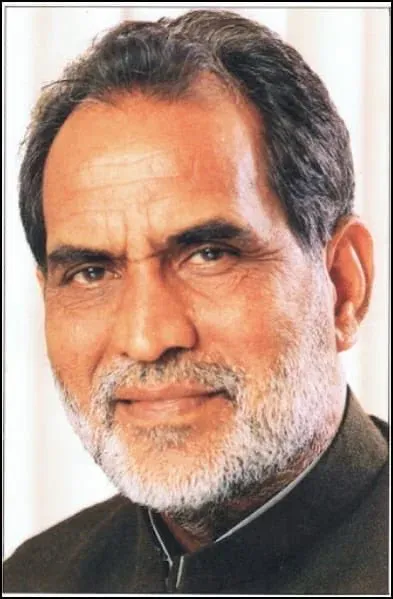
Synopsis
Union Minister Kiren Rijiju on July 8, 2026, honoured former Prime Minister Chandra Shekhar on his death anniversary, calling him an eminent socialist thinker whose dedication to social justice and democratic values remains an invaluable legacy of Indian politics.
Key Takeaways
Kiren Rijiju , Union Parliamentary Affairs Minister, posted a tribute to former PM Chandra Shekhar on July 8, 2026 , the anniversary of his death.
Rijiju described Chandra Shekhar as a 'staunch socialist thinker and people's leader' ( prakhhar samajwadi chintak evam janneta ).
The tribute highlighted Chandra Shekhar's 'unwavering dedication to social justice, democratic values, and national interest.' Chandra Shekhar served as Prime Minister from November 1990 to June 1991 and passed away on July 8, 2007 .
His minority government presided over early economic measures that preceded India's landmark 1991 liberalisation reforms .
The tribute reflects a long-standing BJP practice of cross-party acknowledgment of former national leaders on death anniversaries.
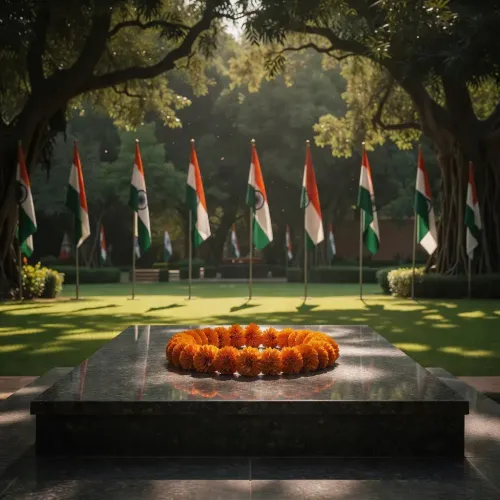
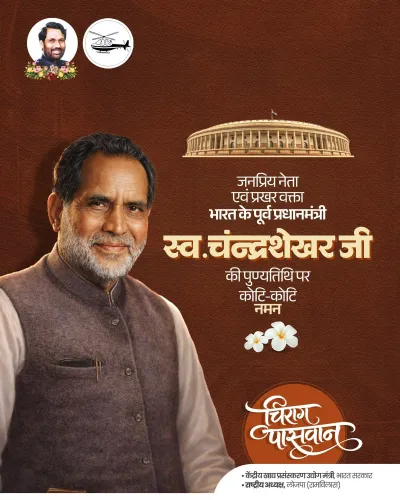
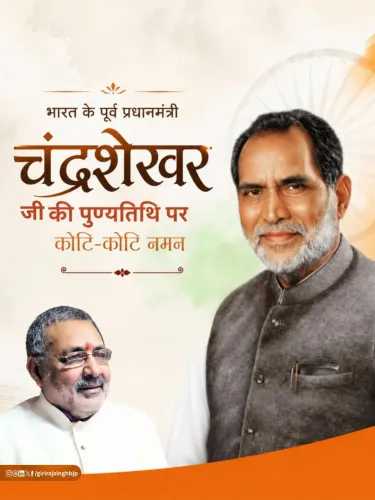
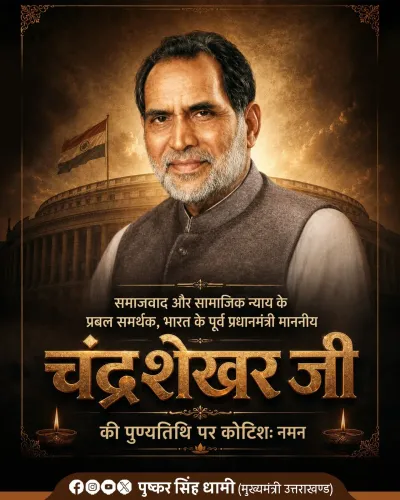
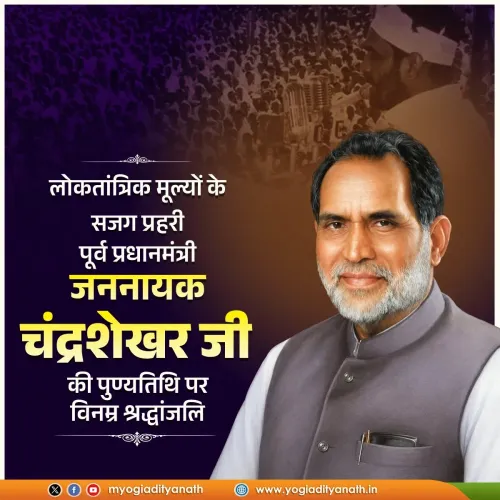
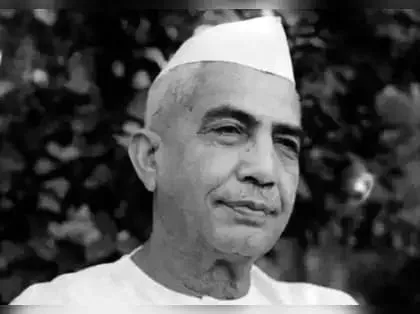
Union Parliamentary Affairs Minister Kiren Rijiju on Wednesday, July 8, 2026, paid tribute to former Prime Minister Chandra Shekhar on his death anniversary, honouring him as a staunch socialist thinker and mass leader who dedicated his life to social justice and democratic values.
Posting in Hindi on X, Rijiju wrote: 'भारत के पूर्व प्रधानमंत्री, प्रखर समाजवादी चिंतक एवं जननेता, चंद्रशेखर जी की पुण्यतिथि पर सादर नमन।' ('Respectful homage on the death anniversary of India's former Prime Minister, eminent socialist thinker and people's leader, Chandra Shekhar ji.') He added that Chandra Shekhar's 'unwavering dedication to social justice, democratic values, and national interest is an invaluable legacy of Indian politics,' and that 'his ideas and the ideal of public service continue to inspire all of us for nation-building.'
Context
Chandra Shekhar served as Prime Minister of India from November 1990 to June 1991, heading a minority government supported from outside by the Indian National Congress. A towering figure in socialist politics, he led a breakaway faction of the Janata Party and remained a vocal critic of authoritarianism and economic inequality throughout his career. He passed away on July 8, 2007, and is remembered each year on this date by leaders across the political spectrum.
Chandra Shekhar's brief tenure coincided with a period of acute economic stress that set the stage for the landmark liberalisation reforms of 1991 under the subsequent administration. His government navigated a balance-of-payments crisis and took early steps that informed later economic policy decisions.
Policy Backdrop
Chandra Shekhar was a defining voice for grassroots democracy and anti-corruption politics in post-Independence India. He undertook a celebrated padyatra (foot march) from Kanyakumari to Delhi in the early 1980s, covering thousands of kilometres to connect with ordinary citizens — a gesture that cemented his image as a 'jan neta' (people's leader). His Samajwadi Janata Party was rooted in the belief that democratic institutions must remain accountable to the rural poor and marginalised communities.
Rijiju's tribute specifically invokes the themes of social justice and democratic values — principles that Chandra Shekhar championed across party lines and that continue to resonate in contemporary parliamentary discourse.
Stakeholders and Impact
Senior leaders from the ruling Bharatiya Janata Party (BJP), including cabinet ministers, have maintained a consistent practice of publicly honouring former prime ministers from other parties on their birth and death anniversaries. This cross-party acknowledgment reflects a broader convention in Indian political culture that treats national leaders as shared heritage, irrespective of ideological differences.
For Chandra Shekhar's supporters, followers of socialist politics, and parliamentarians from states like Uttar Pradesh — where he represented the Ballia constituency for decades — such tributes from ruling-party leaders carry symbolic significance, affirming his place in the national pantheon.
What's Next
With the 2026 monsoon session of Parliament approaching, references to Chandra Shekhar's legacy of parliamentary propriety and democratic accountability may feature in floor debates. Official commemorative events or government-backed programmes honouring his contributions to Indian democracy remain a possibility as cross-party consensus on his stature continues to grow across successive governments.
Point of View
Rooted in grassroots democracy and anti-authoritarianism, remains a touchstone that multiple political formations seek to associate with.
NationPress
6 Oct 2026
Frequently Asked Questions
Who was Chandra Shekhar and why is he remembered?
Chandra Shekhar was the 10th Prime Minister of India , serving from November 1990 to June 1991 . He is remembered as a prominent socialist thinker, anti-corruption crusader, and grassroots democrat who represented the Ballia constituency in Uttar Pradesh for decades and undertook a famous padyatra from Kanyakumari to Delhi.
When did Chandra Shekhar die?
Chandra Shekhar passed away on July 8, 2007 . His death anniversary is observed annually by political leaders across party lines.
What did Kiren Rijiju say about Chandra Shekhar?
Rijiju said Chandra Shekhar's 'unwavering dedication to social justice, democratic values, and national interest is an invaluable legacy of Indian politics,' and that his ideas continue to inspire nation-building efforts.
Why do BJP leaders pay tribute to socialist leaders like Chandra Shekhar?
Senior BJP leaders regularly honour former prime ministers and national figures from other parties on birth and death anniversaries. This reflects a long-standing Indian political convention of treating past national leaders as shared heritage, and helps project cross-ideological inclusivity.
What was Chandra Shekhar's contribution to Indian economic policy?
Chandra Shekhar's minority government ( 1990-91 ) presided over an acute balance-of-payments crisis and took early economic measures that set the stage for India's landmark liberalisation reforms implemented by the subsequent administration in 1991 .