Quad AI push launched in Manila, Trump limits US sharing and threatens data centre tax
Synopsis
At the Quad summit in Manila, Trump unveiled a joint superintelligence accelerator with India, Japan, and Australia — then immediately hedged, capping US information sharing and threatening to tax American companies that build AI data centres overseas. The push to 'win' superintelligence is real, but so is the tension between allied collaboration and Washington's instinct to keep the crown jewels at home.
Key Takeaways
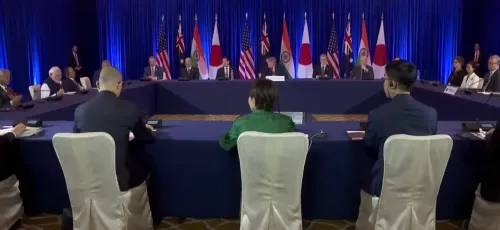
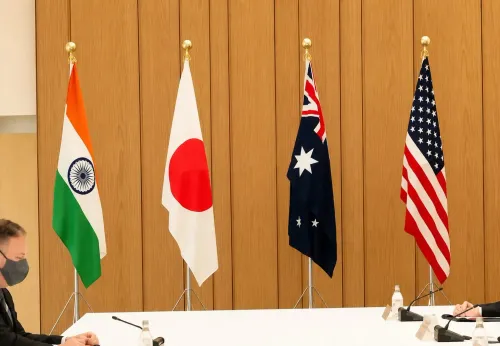
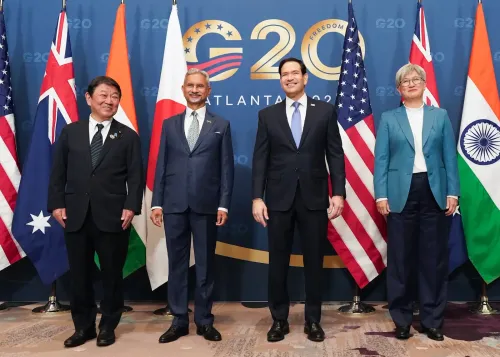
Quad leaders agreed in Manila on Tuesday to launch a joint Quad SI Accelerator to develop superintelligence across the US, India, Japan, and Australia .
Trump said US participation would be limited and gave no details on research-sharing arrangements with the three partner nations.
Trump threatened a 'substantial' US tax on American companies that build AI data centres overseas , citing a proposed project in Finland .
Trump and Chinese President Xi Jinping agreed to cooperate on AI safeguards , with no details disclosed.
The first Quad Bureau Leaders Forum was announced, covering economic security, supply chains, maritime surveillance, and undersea cable protection .
Philippines and Malaysia agreed to use US cloud technology and services , deals announced separately from the data centre tax threat.
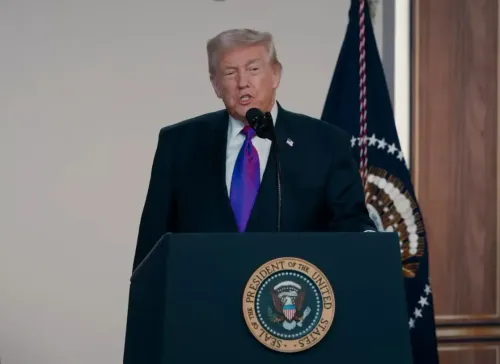
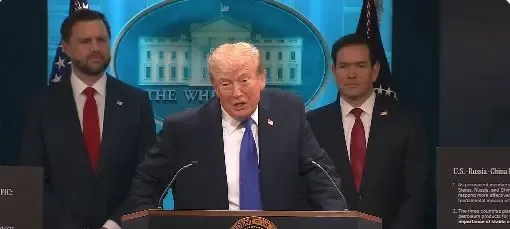
US President Donald Trump on Friday confirmed that the United States, India, Japan, and Australia have jointly launched a superintelligence development initiative at the Quad summit held in Manila, Philippines, while simultaneously capping Washington's own contribution to the effort and threatening a tax on American companies that choose to build AI data centres abroad.
The Quad Superintelligence Accelerator
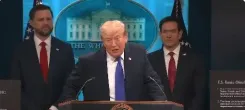
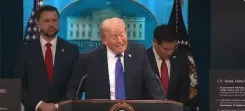
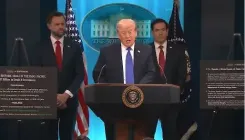
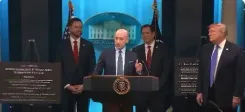
Speaking after his return from Asia, Trump said the four Quad leaders had agreed in Manila on Tuesday to establish what he called a 'Quad SI Accelerator' — a programme aimed at developing superintelligence (SI) across the four allied nations. 'We launched a new Quad SI accelerator, aligning our four countries to develop superintelligence,' Trump said.
However, Trump made clear that US participation would be limited and that he intended the core technology to be developed on American soil. He gave no specifics on how the four partners would divide responsibilities or what research Washington would share with New Delhi, Tokyo, or Canberra.
Tax Warning for Overseas Data Centres
In a significant policy signal, Trump warned that US companies opting for overseas locations for AI data centres would face a 'substantial' US tax. He cited a proposed project in Finland — without naming the company involved or specifying the tax rate — as the kind of investment he wants redirected to American states.
Trump acknowledged he had not yet consulted his own staff on the specifics of the proposed levy. He added that permitting delays in the United States were themselves pushing companies to look abroad, and suggested that host communities in states such as Texas, California, and West Virginia should negotiate directly with developers over local benefits. He cited a project in Louisiana where, he said, teachers were reportedly being offered $50,000 to help secure community approval.
US-China AI Safeguards Agreement
On the broader global AI landscape, Trump disclosed that he and Chinese President Xi Jinping had agreed to cooperate on AI safeguards, though he offered no details on what those measures would entail. Trump ranked the United States first and China second in AI development, asserting that no other country came close. 'Whoever wins SI wins,' he said, underlining the stakes as he sees them.
Quad Bureau Leaders Forum and Maritime Security
Beyond AI, Trump announced the first Quad Bureau Leaders Forum, a new mechanism to bring the four nations together on economic security and supply chain resilience. The four leaders also agreed to deepen cooperation on maritime security, surveillance, cyber security, and the protection of undersea cables — the physical infrastructure that carries data between countries and has emerged as a strategic priority across the Indo-Pacific.
Separately, in Manila, Trump said the Philippines and Malaysia had agreed to adopt US technology and services for their national cloud infrastructure — deals he presented as part of his broader Southeast Asia engagement. He gave no indication that the proposed data centre tax would apply to those offshore agreements.
Context: Quad's Expanding Mandate
The Quad — comprising India, the United States, Japan, and Australia — was revived as a leaders-level forum in 2021 and has steadily expanded its remit from maritime cooperation to critical and emerging technologies, infrastructure, and supply chain security. The addition of a superintelligence track marks its most ambitious technological foray yet, even as Trump's simultaneous insistence on limiting US knowledge-sharing raises questions about the initiative's depth and practical scope.
Point of View
Japan, and Australia matters enormously: a superintelligence partnership without knowledge transfer is largely a branding exercise. The threatened tax on overseas data centres adds a second contradiction: the same administration that is nudging allies toward US cloud platforms in Southeast Asia wants to penalise US firms for going where power is cheaper and permits are faster. Until the tax rate, exemptions, and enforcement mechanism are defined — and Trump admits he hasn't even briefed his own staff — this reads more as a negotiating signal than settled policy.
NationPress
21 Nov 2026
Frequently Asked Questions
What is the Quad Superintelligence Accelerator announced in Manila?
It is a joint initiative by the United States, India, Japan, and Australia, agreed at the Quad summit in Manila on Tuesday, to develop superintelligence (SI) technology across the four nations. Trump announced it upon returning from Asia, though he gave no details on how the work would be divided or what research the US would share.
What tax is Trump threatening on US companies building data centres abroad?
Trump warned of a 'substantial' US tax on American companies that choose overseas locations for AI data centres, citing a proposed project in Finland as an example. He did not name the company involved, did not specify a tax rate, and acknowledged he had not yet discussed the proposal with his own staff.
What did Trump and Xi Jinping agree on regarding AI?
Trump said he and Chinese President Xi Jinping agreed to work together on AI safeguards, ranking the US first and China second in AI development. He gave no details on what those safeguards would involve.
What else was agreed at the Quad summit beyond AI?
Quad leaders agreed to establish the first Quad Bureau Leaders Forum on economic security and supply chains, and deepened cooperation on maritime security, surveillance, cyber security, and undersea cable protection. The Philippines and Malaysia also separately agreed to use US cloud technology and services.
How does the new AI push fit into the Quad's broader mandate?
The Quad was relaunched as a leaders-level forum in 2021, initially focused on maritime cooperation in the Indo-Pacific. It has since expanded to critical technologies, infrastructure, and supply chain security, with the superintelligence track marking its most ambitious technological agenda to date.