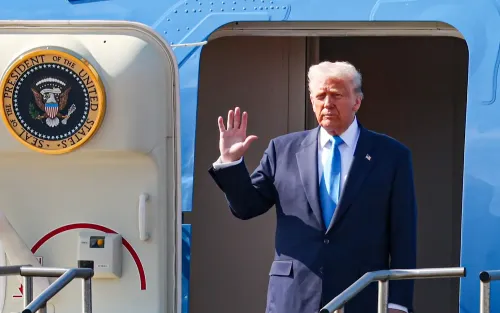
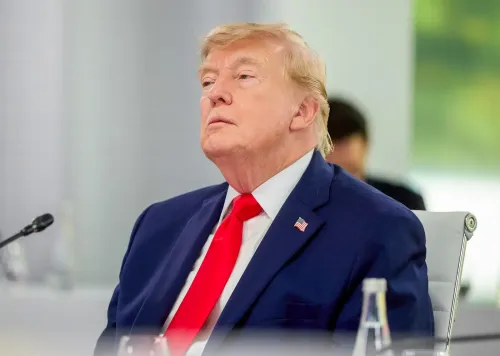
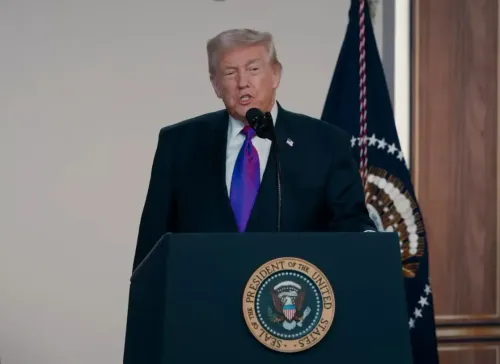
Quad leaders meet in Manila today, first summit under Trump's current term
Synopsis
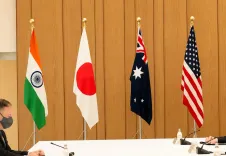
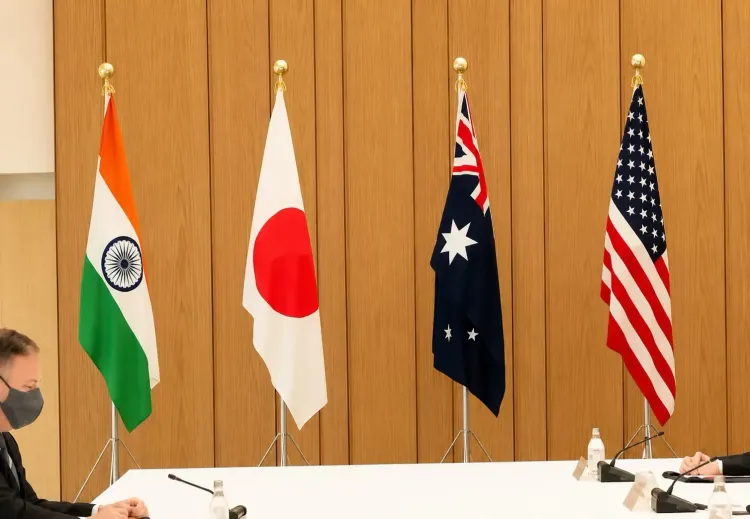
For the first time under Donald Trump's current presidency, the four Quad leaders — from the US, India, Japan, and Australia — are sitting down together in Manila. With $85 million in Indo-Pacific AI commitments already tabled and maritime security flashpoints from the Red Sea to the Strait of Hormuz on the table, this sidelines meeting could quietly set the grouping's agenda for the next year.
Key Takeaways
The Quad leaders — from the US , India , Japan , and Australia — meet in Manila on 17 November at the Solaire Resort at 6:30 pm local time .
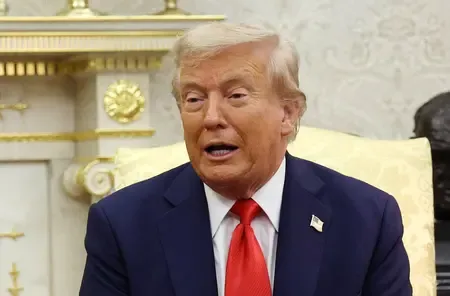
This is the first Quad leaders' meeting of President Donald Trump 's current term, according to the Center for Strategic and International Studies .
The previous in-person Quad summit was hosted by President Joe Biden in Wilmington, Delaware on 21 September 2024 .
At their 31 October Atlanta ministerial, the four nations pledged more than $85 million in Indo-Pacific AI assistance and a US $10 million critical minerals recovery fund.
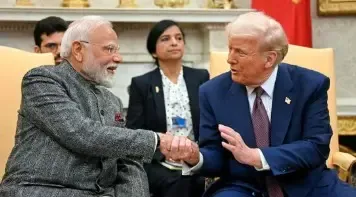
Prime Minister Narendra Modi is also attending the ASEAN-India Summit and East Asia Summit in Manila, anchored by India's Act East Policy .
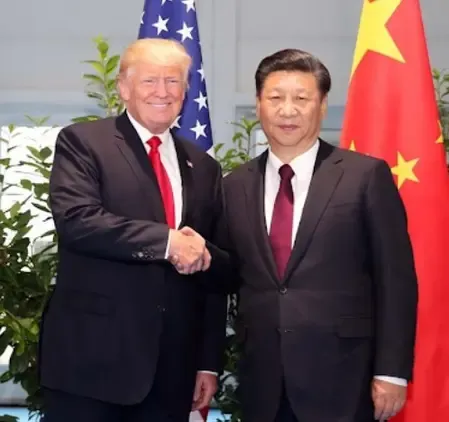
After Manila, Trump travels to Shenzhen for APEC , where a trilateral with Xi Jinping and Vladimir Putin is scheduled on Thursday .
Quad leaders are set to convene in Manila on Tuesday, 17 November 2026, bringing together the heads of government of the United States, India, Japan, and Australia for the first leaders-level Quad meeting of US President Donald Trump's current term. The gathering, scheduled for 6:30 pm local time at the Solaire Resort, follows a greeting and photo opportunity at 6:20 pm, with talks due to begin at 4 pm IST.
How the Meeting Was Confirmed
Australian Prime Minister Anthony Albanese confirmed the summit, noting that President Trump's participation in both ASEAN and APEC meetings had made the Quad leaders' gathering possible on the sidelines. 'The fact that President Trump will be at ASEAN as well as at APEC, and that we'll have a Quad Leaders' Meeting as well,' Albanese said. He also indicated that Australia was seeking a reduction in international conflicts, citing the economic fallout of the war in Iran on countries across the region.
The White House schedule lists the event as a 'Quad Leaders' meeting but does not specify a formal agenda for the talks.
India's Stake and Act East Policy
Prime Minister Narendra Modi's departure statement on Monday said he would attend the ASEAN-India Summit and the East Asia Summit in Manila on 17 November. The statement underlined that India's partnership with the Association of Southeast Asian Nations (ASEAN) is central to its Act East Policy, identifying trade, connectivity, maritime security, and technology as key areas of cooperation. The Quad summit fits squarely within that framework, reinforcing India's strategic and economic footprint across the Indo-Pacific.
Key Agenda Signals from Manila's Lead-Up
While the White House has not published a formal agenda, prior ministerial commitments offer a clear read of likely themes. At their 31 October meeting in Atlanta, the four foreign ministers pledged more than $85 million in technical and financial assistance to expand access to trusted artificial intelligence across the Indo-Pacific. Their joint statement notably used the term 'super intelligence' — a footnote clarified this referred to artificial intelligence in Australia, India, and Japan.
The ministers also welcomed a US commitment of $10 million for infrastructure and facilities in India and ASEAN countries that recover critical minerals from electronic waste. The grouping stressed the importance of protecting navigation through the Strait of Hormuz, the Red Sea, and the Bab el-Mandeb Strait, including the safe passage of commercial vessels and crews.
Separately, a Quad Business Leaders' Forum was announced, and the four countries' export credit agencies were scheduled to meet in Tokyo on 18 November — existing ministerial commitments rather than outcomes of the Manila summit.
The Broader Strategic Context
The Manila gathering marks a significant diplomatic moment: it is the first in-person Quad summit since the meeting hosted by then-US President Joe Biden in Wilmington, Delaware, on 21 September 2024. That declaration had envisaged India hosting the next leaders' summit in 2025 and affirmed, 'The Quad is here to stay.' That India-hosted summit did not materialise in 2025, making the Manila sidelines meeting the de facto next chapter.
According to a 9 November briefing by the Center for Strategic and International Studies, this would be the first Quad leaders' meeting of the Trump administration. This comes amid a packed diplomatic calendar: after Manila, Trump is scheduled to travel to Shenzhen for Asia-Pacific Economic Cooperation (APEC) meetings, where his Thursday programme includes bilateral talks with Chinese President Xi Jinping, followed by a trilateral meeting with Xi and Russian President Vladimir Putin.
What to Watch Next
The joint statement — if issued — will be closely read for any upgrade in Quad commitments on AI, critical minerals, and maritime security, as well as for any reference to the Iran conflict or Indo-Pacific stability. India's hosting of a future Quad leaders' summit, originally slated for 2025, may also be revisited on the sidelines.
Point of View
Keeping the meeting from being read as a formal anti-China alignment at the same moment Trump is heading to Shenzhen to meet Xi. For India, the summit is a balancing act — affirming the Quad while keeping strategic autonomy intact. The real test of the grouping's durability will be whether the $85 million AI pledge and critical minerals commitments move from ministerial statements to funded, implemented programmes.
NationPress
17 Nov 2026
Frequently Asked Questions
What is the Quad leaders' meeting in Manila?
It is a summit of the heads of government of the United States, India, Japan, and Australia, scheduled for 17 November in Manila at the Solaire Resort. This is the first Quad leaders' meeting of President Donald Trump's current term.
Why is the Manila Quad summit significant?
It is the first in-person Quad leaders' summit since the September 2024 meeting in Wilmington, Delaware, hosted by then-President Joe Biden. The meeting signals that the grouping retains leaders-level support under the Trump administration, amid ongoing Indo-Pacific tensions.
What issues are likely to be discussed at the Quad summit?
While the White House has not published a formal agenda, prior ministerial commitments point to artificial intelligence access, critical minerals recovery, and maritime security — particularly safe navigation through the Strait of Hormuz, the Red Sea, and the Bab el-Mandeb Strait.
What was decided at the Quad foreign ministers' meeting in Atlanta?
At their 31 October meeting in Atlanta, the four foreign ministers pledged more than $85 million to expand access to trusted AI across the Indo-Pacific, and welcomed a US commitment of $10 million for critical minerals recovery infrastructure in India and ASEAN countries.
What is India's interest in the Quad and the Manila summits?
India is attending the Quad leaders' meeting alongside the ASEAN-India Summit and East Asia Summit in Manila, all of which are central to its Act East Policy. Key areas of focus include trade, connectivity, maritime security, and technology across the Indo-Pacific region.