CM Fadnavis pays tribute to Lala Lajpat Rai on Death Anniversary
Synopsis
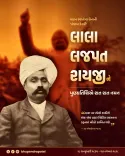
On 17 November 2026, Maharashtra CM Devendra Fadnavis honoured Lala Lajpat Rai, 'Punjab Kesari', on his death anniversary, recalling the revolutionary leader's sacrifice during the 1928 Simon Commission protests and his enduring legacy in India's freedom movement.
Key Takeaways
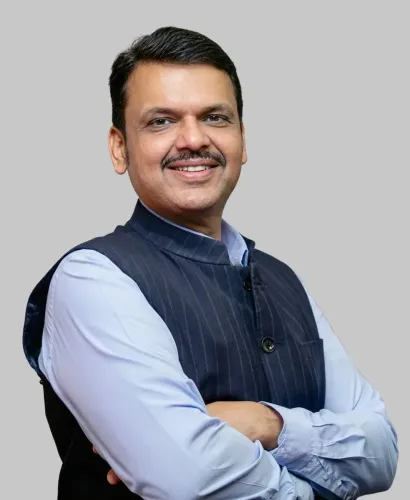
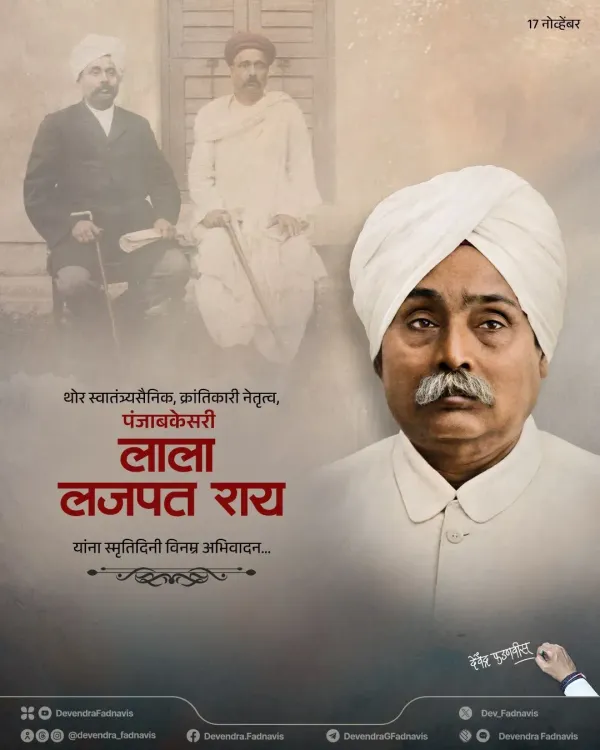
Maharashtra CM Devendra Fadnavis posted a tribute to Lala Lajpat Rai on 17 November 2026 , the leader's death anniversary.
Lala Lajpat Rai died on 17 November 1928 from injuries sustained in a police lathi charge during protests against the Simon Commission in Lahore .
Rai held the title 'Punjab Kesari' (Lion of Punjab) and was part of the iconic Lal-Bal-Pal nationalist trio alongside Bal Gangadhar Tilak and Bipin Chandra Pal.
His death directly inspired the retaliatory action by Bhagat Singh and associates against British officer J.P.
Saunders, escalating the independence movement.
Fadnavis posted the tribute in both English and Marathi , reaching Maharashtra's citizens in their own language.
Ninety-eight years after a British lathi charge silenced one of India's fiercest voices, Maharashtra Chief Minister Devendra Fadnavis paused on Tuesday, 17 November 2026 to honour the man who refused to be silenced — Lala Lajpat Rai, 'Punjab Kesari', on his death anniversary.
Posting on X in both English and Marathi, Fadnavis offered 'humble tributes' to the revolutionary leader, remembering his 'fearless leadership, sacrifice, and unwavering commitment to the nation's independence' as an 'enduring source of inspiration.' The Marathi line — भारतीय स्वातंत्र्यलढ्यातील क्रांतिकारी नेतृत्व ('the revolutionary leadership of India's freedom struggle') — extended the tribute to Maharashtra's citizens directly.
The lathi charge that made a martyr
Lala Lajpat Rai died on 17 November 1928, weeks after leading a mass protest in Lahore against the all-white Simon Commission — a British-appointed body tasked with reviewing India's constitutional future that excluded every Indian voice. Police superintendent James Scott ordered a baton charge on the demonstrators. Rai, struck repeatedly, died of his injuries on the same date that is now observed as his death anniversary.
His death ignited a chain of events: revolutionary Bhagat Singh and his associates retaliated by assassinating British officer J.P. Saunders in Lahore just weeks later, declaring it revenge for Rai's killing. The episode became one of the most charged moments in the final decades of British rule.
Punjab Kesari — the man behind the title
Rai was one-third of the celebrated Lal-Bal-Pal trio — Lala Lajpat Rai, Bal Gangadhar Tilak, and Bipin Chandra Pal — who collectively shaped the assertive, mass-mobilisation strand of Indian nationalism in the early twentieth century. Where moderates favoured petition and patience, this trio demanded swaraj (self-rule) loudly and immediately. Rai also founded the Punjab National Bank and the Servants of the People Society, threading political activism with social and economic institution-building.
A BJP-led Maharashtra keeps the anniversary alive
Indian political leaders across the spectrum mark 17 November each year, but the BJP — which traces part of its ideological lineage through the nationalist movement — has been particularly consistent in publicly commemorating figures like Rai. For CM Fadnavis, the anniversary tribute fits a pattern his government has maintained of connecting Maharashtra's governance narrative to the broader story of India's freedom struggle, making the memory local even when the history is pan-national.
Lala Lajpat Rai gave everything so the country he imagined could exist. Nearly a century on, the men and women who govern that country still think it worth pausing — even briefly — to say so.
Point of View
Honouring the Lal-Bal-Pal generation — assertive, mass-movement nationalists — aligns naturally with the party's broader historical self-presentation. Fadnavis posting in Marathi as well as English is a deliberate act of regional ownership, ensuring a pan-Indian figure feels locally relevant. The ritual may be ceremonial, but its cumulative political function — shaping which heroes a generation remembers — is anything but trivial.
NationPress
17 Nov 2026
Frequently Asked Questions
When did Lala Lajpat Rai die and why?
Lala Lajpat Rai died on 17 November 1928 in Lahore from injuries he sustained during a police lathi charge ordered while he was leading protests against the British-appointed Simon Commission, which had excluded all Indian members.
Why is Lala Lajpat Rai called Punjab Kesari?
'Punjab Kesari' means 'Lion of Punjab' in Hindi. The title was given to Lala Lajpat Rai in recognition of his fierce, uncompromising leadership in the Indian independence movement, especially in the Punjab region.
Who were the Lal-Bal-Pal trio?
Lal-Bal-Pal refers to Lala Lajpat Rai , Bal Gangadhar Tilak , and Bipin Chandra Pal — three early twentieth-century nationalist leaders who championed aggressive mass-mobilisation and demanded immediate self-rule for India.
What was the Simon Commission and why did Indians protest it?
The Simon Commission was a 1928 British government committee set up to review India's constitutional framework. Indians protested it because it had no Indian members, which was widely seen as a deliberate insult to Indian self-determination.
Why did Devendra Fadnavis post a tribute to Lala Lajpat Rai today?
17 November is observed as Lala Lajpat Rai's death anniversary. Maharashtra CM Devendra Fadnavis posted tributes in English and Marathi as part of the annual commemoration of the freedom fighter's sacrifice.