Rijiju Thanks Dayanand Sewashram Sangh for Tribal Outreach
Synopsis
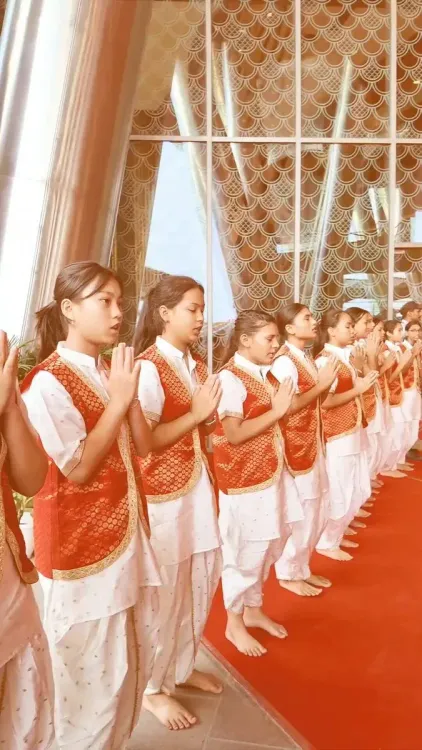
Union Minister Kiren Rijiju on 8 June 2026 publicly thanked the Akhil Bharatiya Dayanand Sewashram Sangh for its work in education, health, and skill development among tribal and rural communities, spotlighting civil-society partnerships in India's welfare delivery landscape.
Key Takeaways
Kiren Rijiju , Union Minister of Parliamentary Affairs and Minority Affairs, publicly acknowledged the Akhil Bharatiya Dayanand Sewashram Sangh on 8 June 2026 .
The organisation is rooted in the Arya Samaj tradition and focuses on education, health, and skill development for tribal and rural populations .
Government recognition of such bodies can ease access to CSR funding and formal partnerships under centrally sponsored schemes.
The Eklavya Model Residential Schools (since 1997-98 ) and Vanbandhu Kalyan Yojana (since 2014 ) form the policy backbone for tribal welfare in India.
Upcoming parliamentary debates on the Tribal Sub-Plan and NGO partnership budgets will test whether this acknowledgement leads to institutional support.
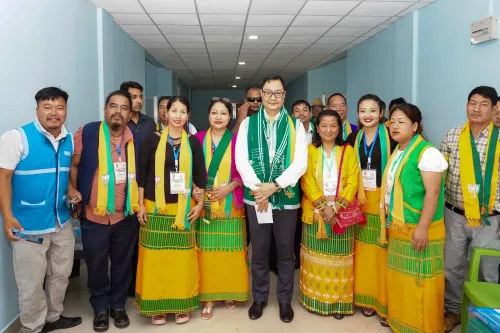
Union Parliamentary Affairs Minister Kiren Rijiju on Monday, 8 June 2026 publicly acknowledged the Akhil Bharatiya Dayanand Sewashram Sangh for its sustained work in empowering underprivileged communities, with a specific focus on tribal and rural populations across India.
Context
In his post, Rijiju expressed gratitude to the organisation for its 'untiring dedication' in delivering educational, social, health, and skill-development initiatives to marginalised groups. The acknowledgement comes from a minister who holds dual charge of Parliamentary Affairs and Minority Affairs, portfolios that intersect directly with questions of inclusive governance and social welfare delivery.
The Akhil Bharatiya Dayanand Sewashram Sangh is rooted in the Arya Samaj tradition and has been active in running programmes targeting Scheduled Tribe communities and rural populations in areas where state infrastructure remains thin.
Policy Backdrop
Central government support for tribal welfare has a long institutional lineage. The Eklavya Model Residential Schools programme, launched in 1997-98 by the Ministry of Tribal Affairs, was designed to expand quality education access in Scheduled Tribe areas. The NDA government further reinforced this architecture in 2014 through the Vanbandhu Kalyan Yojana, which coordinates development interventions across tribal districts.
Voluntary organisations operating in the same space — particularly those with roots in Indian cultural and reform movements — have increasingly been recognised as force-multipliers for state delivery. Flagship initiatives such as Skill India and the National Education Policy framework explicitly encourage partnerships with civil-society bodies to extend reach into remote regions.
Stakeholders and Impact
The primary beneficiaries of the work cited by Rijiju are tribal communities and rural populations — groups that consistently rank among the most underserved on indicators of literacy, healthcare access, and livelihood security. Organisations like the Akhil Bharatiya Dayanand Sewashram Sangh often operate in districts where government schools, primary health centres, and vocational training facilities are either absent or understaffed.
Ministerial recognition of such bodies carries symbolic and practical weight: it signals government approval, can ease access to corporate social responsibility funding, and may open channels for formal NGO partnerships under centrally sponsored schemes.
What's Next
Parliamentary debates on the Tribal Sub-Plan and upcoming budgetary allocations for NGO partnerships in education and health sectors will be a key indicator of how far this acknowledgement translates into institutional support. With Rijiju holding the Parliamentary Affairs brief, his public statements on civil-society welfare work are also read as signals ahead of legislative sessions where tribal welfare funding and minority outreach programmes come under scrutiny.
Broader scrutiny of government-NGO collaboration frameworks, particularly for organisations working in Scheduled Tribe regions, is expected to intensify as Parliament approaches its next budget cycle.
Point of View
The gesture carries a dual signal: it underscores the government's inclusive-outreach narrative toward Scheduled Tribe constituencies while also spotlighting the role of civil society in plugging gaps in state delivery. The timing, ahead of likely parliamentary scrutiny of tribal welfare budgets, suggests the acknowledgement is as much political positioning as ceremonial goodwill. Analysts will watch whether formal partnership mechanisms or enhanced funding flows follow such ministerial endorsements.
NationPress
22 Sept 2026
Frequently Asked Questions
Who is Kiren Rijiju and what ministry does he head?
Kiren Rijiju is a senior BJP leader from Arunachal Pradesh serving as Union Minister of Parliamentary Affairs and Minister of Minority Affairs in the central government.
What is the Akhil Bharatiya Dayanand Sewashram Sangh?
The Akhil Bharatiya Dayanand Sewashram Sangh is a social service organisation rooted in the Arya Samaj tradition that runs education, health, and skill-development programmes primarily for tribal and rural communities across India.
What government schemes support tribal welfare in India?
Key schemes include the Eklavya Model Residential Schools programme (launched 1997-98 ) for quality education in Scheduled Tribe areas and the Vanbandhu Kalyan Yojana (launched 2014 ) for coordinated development in tribal districts.
Why does a minister publicly acknowledge NGOs working in tribal areas?
Ministerial recognition signals government approval, can facilitate access to corporate social responsibility funding, and may open formal partnership channels under centrally sponsored welfare schemes, amplifying the reach of civil-society organisations.
What is the Tribal Sub-Plan and why does it matter?
The Tribal Sub-Plan is a budgetary mechanism that earmarks a proportionate share of plan funds for the welfare of Scheduled Tribe populations; parliamentary debates on its allocations determine how much funding flows to education, health, and NGO partnerships in tribal regions.