Rijiju Meets Bhutan PM Tobgay in Gelephu, Backs Mindfulness City
Synopsis
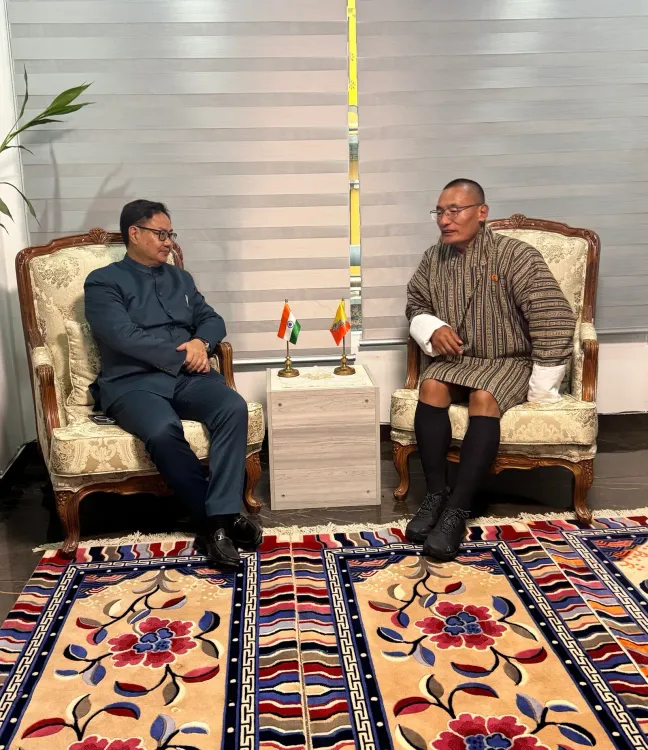
Union Minister Kiren Rijiju met Bhutan PM Tshering Tobgay in Gelephu on 1 November 2026, holding warm talks on India-Bhutan partnership and the landmark Gelephu Mindfulness City — Bhutan's flagship sustainable urban development initiative.
Key Takeaways
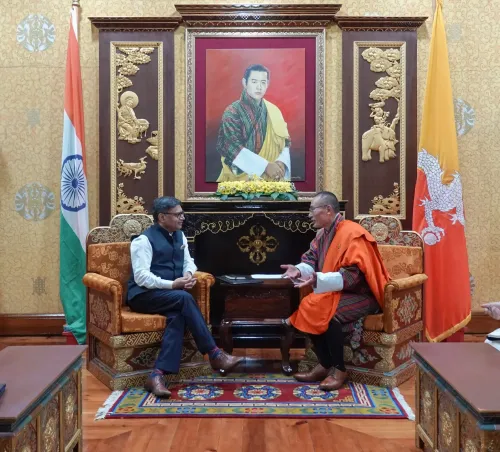
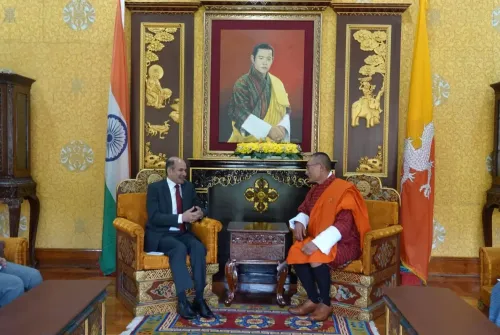
Union Minister Kiren Rijiju visited Gelephu, Bhutan on 1 November 2026 and called on PM Tshering Tobgay .
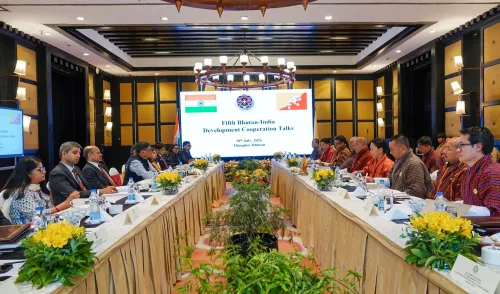
Talks covered the India-Bhutan bilateral partnership and the potential of the Gelephu Mindfulness City for both nations.
The Gelephu Mindfulness City is Bhutan's flagship sustainable urban and investment project aimed at diversifying the economy beyond hydropower.
India has been Bhutan's primary development partner since the 1960s , supporting successive five-year plans through grant assistance.
The India-Bhutan Friendship Treaty of 2007 forms the legal backbone of the two countries' close strategic and economic ties.
Indian participation in Gelephu project planning is being closely watched as a next step in bilateral engagement.
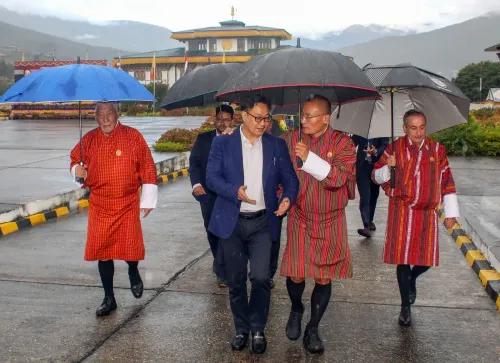
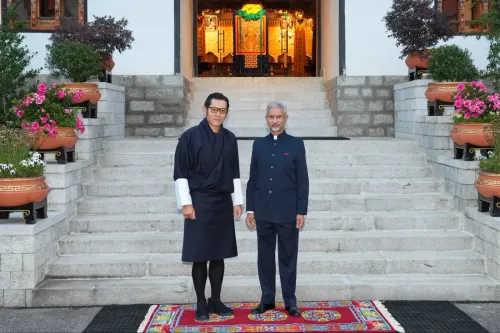
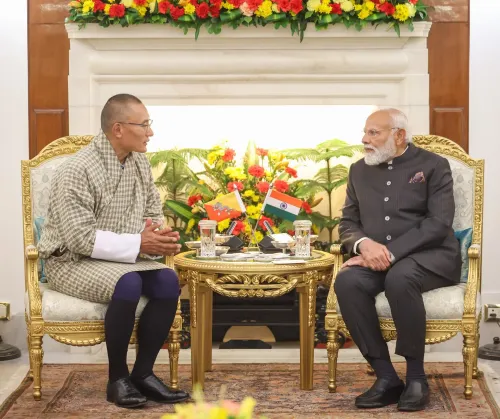
A senior Indian cabinet minister crossed into southern Bhutan on Sunday, 1 November 2026, carrying a message of enduring partnership — and a close look at the most ambitious urban project the Himalayan kingdom has ever attempted. Union Parliamentary Affairs and Minority Affairs Minister Kiren Rijiju called on Bhutan Prime Minister Dasho Tshering Tobgay in Gelephu, describing the talks as 'warm and very positive' in a post on X.
Rijiju in Gelephu: What Brought a Senior Minister to Southern Bhutan
Gelephu is not simply a border town — it is the centrepiece of Bhutan's boldest economic bet. The Gelephu Mindfulness City is a sweeping Bhutanese development initiative in the country's south, designed around principles of sustainable growth and the attraction of foreign investment, while weaving in the Buddhist philosophy of mindfulness that defines Bhutan's national identity. For a kingdom that has historically relied on hydropower exports to India as its primary revenue engine, Gelephu represents a deliberate diversification — a new kind of city meant to draw businesses, wellness tourism, and knowledge industries.
Rijiju's visit signals that New Delhi is watching the project with genuine interest. India has been Bhutan's closest development partner since the 1960s, funding successive five-year plans and underpinning the kingdom's infrastructure through grant assistance. The India-Bhutan Friendship Treaty of 2007 — which updated earlier bilateral agreements — continues to govern the two countries' uniquely open relationship, including free movement across their shared border.
Why the Gelephu Project Matters to Both Sides
The symmetry of interests here is hard to miss. Bhutan needs capital, technical expertise, and connectivity — areas where India has both proximity and capacity. India, for its part, has made deepening ties with Himalayan neighbours a consistent strategic priority, a policy imperative that carries extra weight given the region's geography and geopolitical sensitivities. A thriving, India-partnered Gelephu is, in that sense, not just an economic story but a neighbourhood story.
Rijiju described India as 'a steadfast partner in Bhutan's path of growth and prosperity' — language that underscores the long institutional memory behind the relationship. Development aid, hydropower joint ventures, educational scholarships, and now an emerging urban mega-project: the arc of India-Bhutan cooperation keeps lengthening.
What Comes Next for Gelephu and Indian Participation
The meeting in Gelephu is likely to feed into broader planning discussions at the ministerial and diplomatic level. Follow-up statements from India's Ministry of External Affairs and the Indian Mission in Bhutan will be worth tracking — particularly on whether Indian private or public-sector entities are invited into the Gelephu project's infrastructure or investment framework. For now, Rijiju's visit plants a visible flag: India is in the room as Bhutan draws its blueprint for the next chapter.
Point of View
India is underlining political-level buy-in for Bhutan's economic diversification, rather than leaving it to bureaucratic channels. The timing matters: as Bhutan actively courts international investors, a visible Indian embrace reduces the risk of the project gravitating toward other external partners. It also reinforces a broader pattern of India treating Himalayan neighbours as strategic priority, not afterthought.
NationPress
1 Nov 2026
Frequently Asked Questions
What is the Gelephu Mindfulness City in Bhutan?
The Gelephu Mindfulness City is Bhutan's flagship development initiative in its southern region, designed to attract foreign investment and diversify the economy beyond hydropower through sustainable urban development rooted in Buddhist mindfulness principles.
Why did Kiren Rijiju visit Bhutan in November 2026?
Union Minister Kiren Rijiju visited Gelephu, Bhutan on 1 November 2026 to meet Prime Minister Tshering Tobgay and hold discussions on India-Bhutan bilateral partnership, with particular focus on the potential of the Gelephu Mindfulness City project for both nations.
What is the India-Bhutan Friendship Treaty?
The India-Bhutan Friendship Treaty of 2007 is the key bilateral agreement governing the special relationship between the two countries, covering strategic, economic, and developmental cooperation, and updating earlier agreements that date back decades.
How does India support Bhutan's development?
India has provided grant-based development assistance to Bhutan under successive five-year plans since the 1960s, and also cooperates on hydropower projects, infrastructure, education, and trade, making it Bhutan's largest development partner.
What is India's expected role in the Gelephu Mindfulness City?
While specific commitments have not been publicly announced, Rijiju's visit points to India's interest in participating in Gelephu project planning; follow-up from the Ministry of External Affairs and Indian Mission in Bhutan will clarify investment and infrastructure involvement.