Rijiju Meets Delhi LG Sandhu, Discusses Governance Priorities
Synopsis
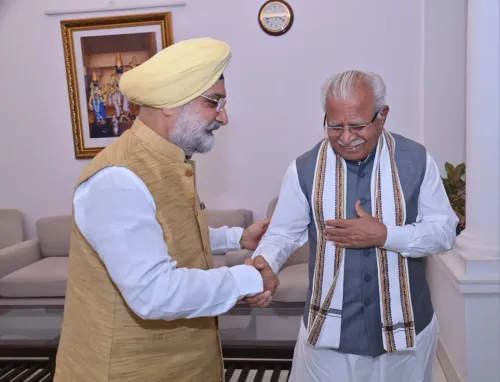
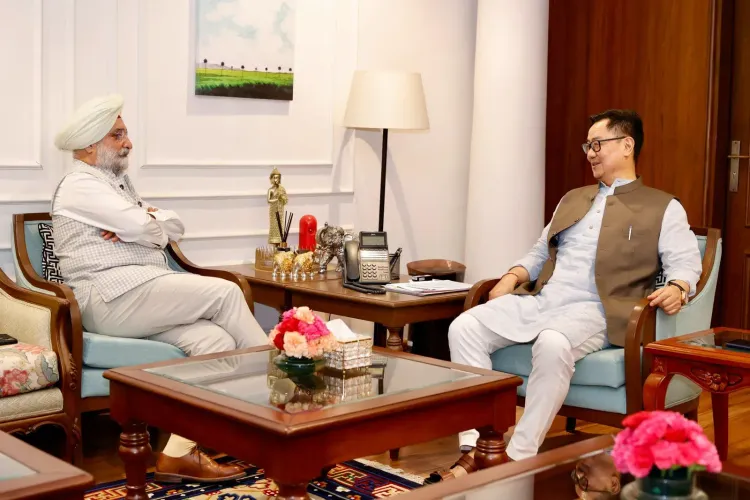
Union Parliamentary Affairs Minister Kiren Rijiju met Delhi Lieutenant Governor Taranjit Singh Sandhu at his New Delhi residence on June 9, 2026. The two officials held discussions on governance, public service delivery, and developmental priorities for the national capital, amid the ongoing interplay between central oversight and elected governance in Delhi.
Key Takeaways
Union Parliamentary Affairs Minister Kiren Rijiju met Delhi LG Taranjit Singh Sandhu at his New Delhi residence on June 9, 2026 .
The meeting covered governance frameworks, public service delivery, and developmental priorities for Delhi .
Taranjit Singh Sandhu is a career diplomat and former Indian Ambassador to the United States serving as Delhi's Lieutenant Governor.
Delhi operates under Article 239AA , a unique constitutional arrangement balancing an elected assembly with a centrally appointed LG.
The 2023 GNCTD Amendment Act and a Supreme Court ruling that year clarified the division of powers between the LG and the elected government.
No specific policy decisions or outcomes from the meeting have been officially announced.
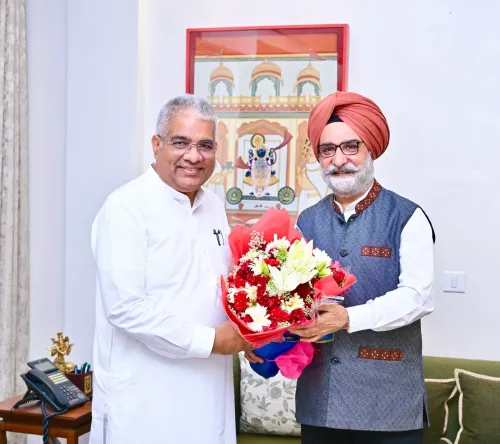
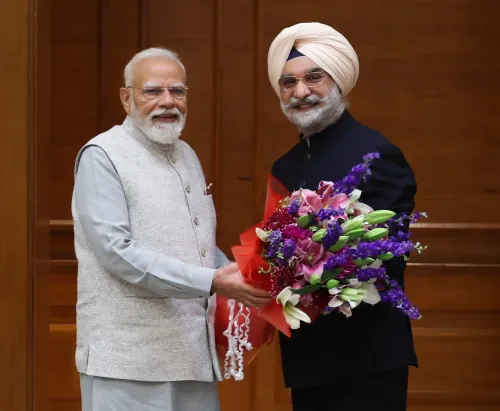
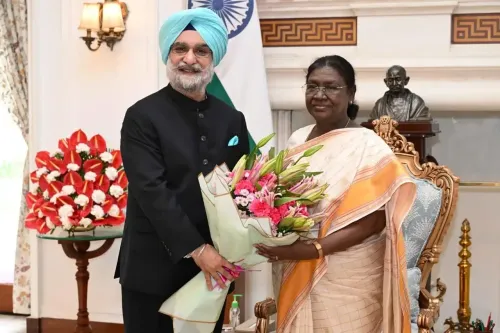
Union Parliamentary Affairs Minister Kiren Rijiju met with Lieutenant Governor of Delhi Taranjit Singh Sandhu at his residence in New Delhi on Tuesday, June 9, 2026, for a discussion covering governance, public service, and developmental priorities for the national capital.
Context
Rijiju described the meeting as a 'meaningful interaction' covering governance frameworks, public service delivery, and developmental priorities for Delhi. The meeting was held at the minister's New Delhi residence, with both officials engaging on issues that sit at the intersection of central and local administration in the national capital.
The encounter brings together two senior figures: Rijiju, a cabinet minister and senior BJP leader from Arunachal Pradesh, and Sandhu, a career diplomat who previously served as India's Ambassador to the United States before being appointed Lieutenant Governor of Delhi.
Policy Backdrop
Delhi operates under a unique constitutional arrangement defined by Article 239AA of the Constitution, which balances an elected legislative assembly with a Lieutenant Governor appointed by the President of India. This framework has been the subject of significant legislative and judicial activity in recent years.
In 2023, Parliament enacted the Government of National Capital Territory of Delhi (Amendment) Act, clarifying the Lieutenant Governor's authority over services and administrative decisions. The Supreme Court also delivered a landmark ruling that same year affirming the elected government's control over most administrative services while preserving the LG's role in specified domains such as public order, police, and land.
Meetings between Union ministers and the Delhi LG occur within this layered framework, where coordination between central and local authorities is essential for infrastructure delivery, law and order, and public services that fall under concurrent or central jurisdiction.
Stakeholders and Impact
The interaction is of direct relevance to Delhi's residents, who are served by both the elected state government and central agencies operating in the territory. Developmental priorities for the national capital often require alignment between the Union government, the LG's office, and the elected Government of NCT of Delhi.
Central ministries — including those overseeing housing, urban development, and public works in Delhi — also have a stake in such coordination meetings, as project clearances and administrative decisions frequently require multi-level approvals under the current governance structure.
What's Next
No specific outcomes or policy decisions from the meeting have been officially announced. Follow-up statements from the LG's office or the Ministry of Parliamentary Affairs could shed light on any specific developmental projects or governance reforms discussed. Observers will also watch for any references to the meeting's agenda in forthcoming sessions of the Delhi Assembly or in Parliament, where the capital's administrative framework continues to be a subject of political and legislative attention.
Point of View
Such ministerial engagements signal that the Centre remains actively engaged in shaping Delhi's administrative direction. For Rijiju, whose portfolio spans Parliamentary Affairs, the interaction also carries political weight in a city that is simultaneously a national capital and a contested electoral battleground. The optics of senior BJP leadership maintaining close contact with the LG's office underscores the party's strategic interest in Delhi's governance ahead of any future political cycle.
NationPress
21 Sept 2026
Frequently Asked Questions
Why did Kiren Rijiju meet Delhi LG Taranjit Singh Sandhu?
Rijiju met LG Sandhu at his New Delhi residence on June 9, 2026, for discussions on governance, public service delivery, and developmental priorities for the national capital, according to Rijiju's post on X.
Who is Taranjit Singh Sandhu?
Taranjit Singh Sandhu is the Lieutenant Governor of Delhi and a career diplomat who previously served as India's Ambassador to the United States before taking up the constitutional role of LG.
What is the role of Delhi's Lieutenant Governor?
The Lieutenant Governor of Delhi is a constitutional authority appointed by the President of India under Article 239AA. The LG exercises oversight over specified domains including public order, police, and land, while the elected government administers most other services.
What is the GNCTD Amendment Act 2023?
The Government of National Capital Territory of Delhi (Amendment) Act, 2023 is a parliamentary law that clarified the Lieutenant Governor's authority over services and administrative decisions in Delhi, defining the boundary between central oversight and elected governance.
What are Delhi's key developmental priorities?
Delhi's developmental priorities typically span urban infrastructure, public transport, housing, law and order, and public health — areas that often require coordination between the elected state government, the LG's office, and central ministries given the capital's unique constitutional status.