Taranjit Singh Sandhu Sworn in as Delhi's New Lieutenant Governor
Synopsis
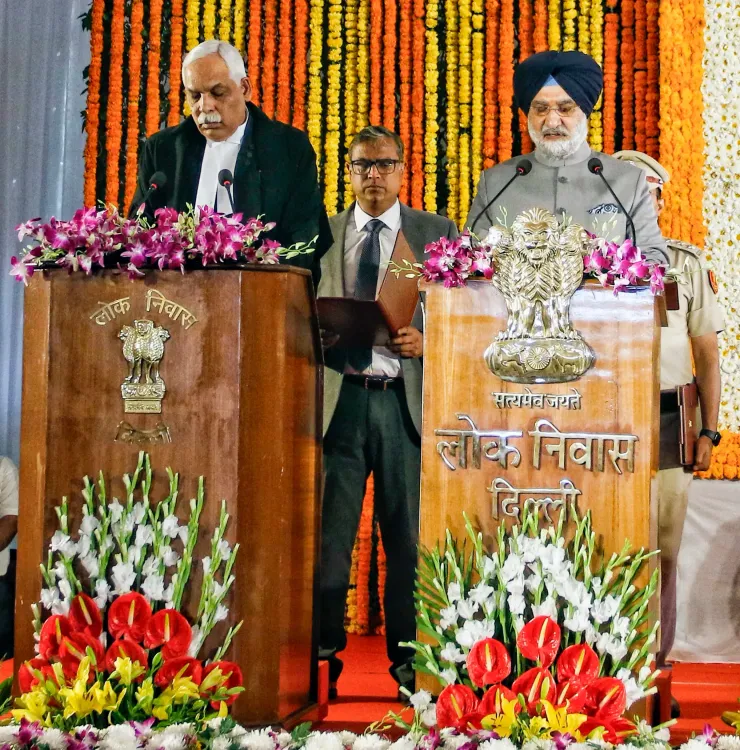
On March 11, Taranjit Singh Sandhu was sworn in as the new Lieutenant Governor of Delhi, taking over from Vinai Kumar Saxena. With extensive diplomatic experience, Sandhu is expected to address significant governance challenges facing the national capital.
Key Takeaways
Taranjit Singh Sandhu is the new Lieutenant Governor of Delhi.
He previously served as India's Ambassador to the US.
Sandhu's appointment comes amid significant governance challenges in Delhi.
He has extensive experience in international relations.
The oath was administered by the Chief Justice of the Delhi High Court.
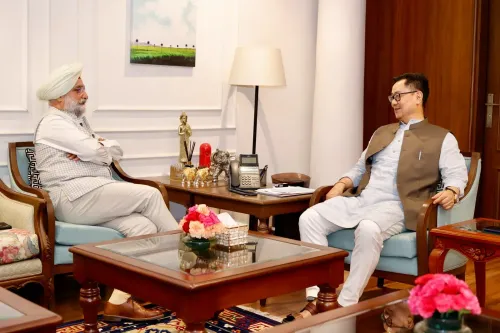
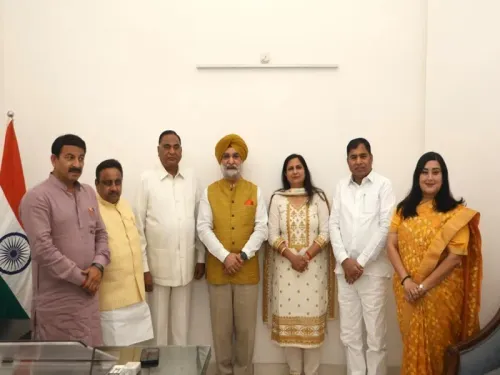
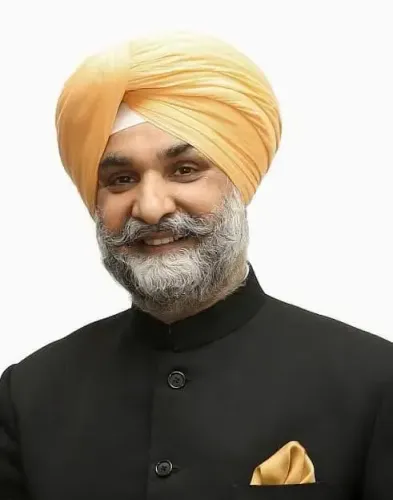
New Delhi, March 11 (NationPress) On Wednesday, former diplomat Taranjit Singh Sandhu was sworn in as the 23rd Lieutenant Governor of Delhi during a ceremony at Lok Niwas, taking over from Vinai Kumar Saxena.
The Chief Justice of the Delhi High Court, Devendra Kumar Upadhyaya, administered the oath of office. The event saw the presence of Delhi Chief Minister Rekha Gupta, senior officials, and various dignitaries.
Sandhu succeeds Saxena, who has been appointed as the Lieutenant Governor of Ladakh.
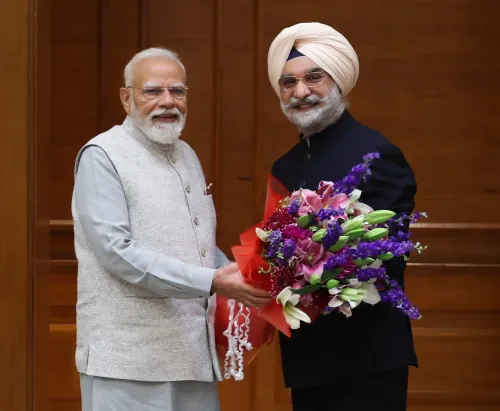
A member of the 1988 batch of the Indian Foreign Service (IFS), Sandhu brings extensive diplomatic expertise, particularly in India’s relations with the United States.
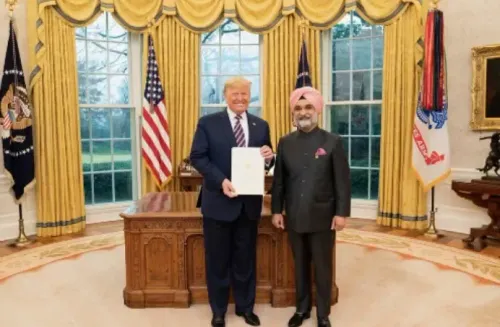
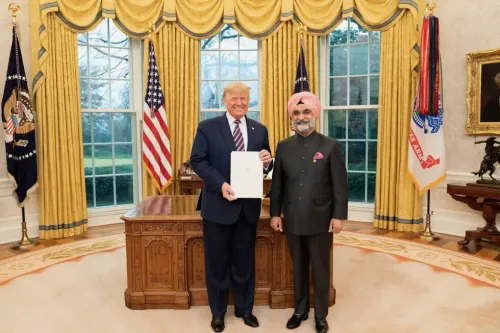
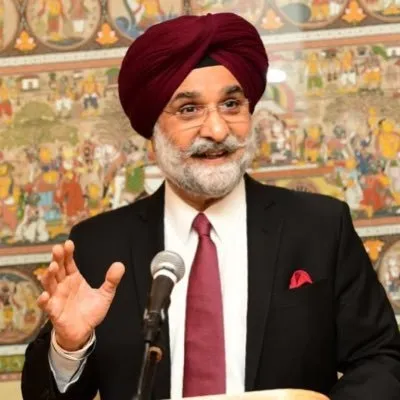
He served as India’s Ambassador to the United States from February 2020 to January 2024, a period characterized by the strengthening of strategic and economic ties between the two nations. His tenure in Washington was marked by significant contributions to enhancing bilateral cooperation in defence, technology, and trade.
Before his ambassadorship, Sandhu held various key diplomatic roles, including multiple assignments at the Embassy of India in Washington, D.C., making him one of India’s most seasoned diplomats in dealings with the US.
He also had a tenure at the Permanent Mission of India to the United Nations in New York City from July 2005 to February 2009, focusing on multilateral diplomacy and global policy challenges.
Recognized for his substantial background in foreign policy and international relations, the 63-year-old diplomat has played a pivotal role in advancing India’s diplomatic outreach during critical junctures with global partners.
His appointment as Delhi’s Lieutenant Governor arrives at a crucial time when the national capital faces significant administrative and governance hurdles that necessitate collaboration between the elected government and the Lieutenant Governor’s office.
With his diverse administrative and diplomatic background, Sandhu is anticipated to play a crucial role in the governance of the national capital.
Point of View
He is poised to navigate the complexities of Delhi's administrative landscape, fostering collaboration between the governing bodies.
NationPress
6 Oct 2026
Frequently Asked Questions
Who is Taranjit Singh Sandhu?
Taranjit Singh Sandhu is a former diplomat who has been appointed as the 23rd Lieutenant Governor of Delhi.
What was Sandhu's role before becoming Lieutenant Governor?
He served as India's Ambassador to the United States from February 2020 to January 2024.
What challenges will Sandhu face as Lieutenant Governor?
He will need to address significant administrative and governance challenges in coordination with the elected government.
When was Sandhu sworn in?
He was sworn in on March 11, 2023.
Who administered the oath of office?
The oath was administered by Chief Justice Devendra Kumar Upadhyaya of the Delhi High Court.