Rijiju Hails PM Modi's Historic First Visit to Slovakia
Synopsis
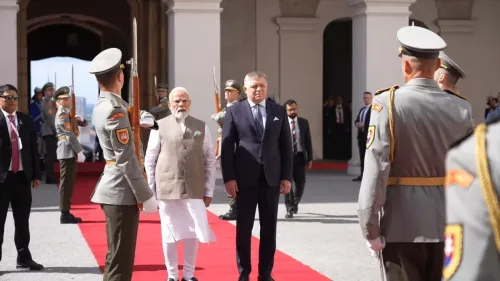
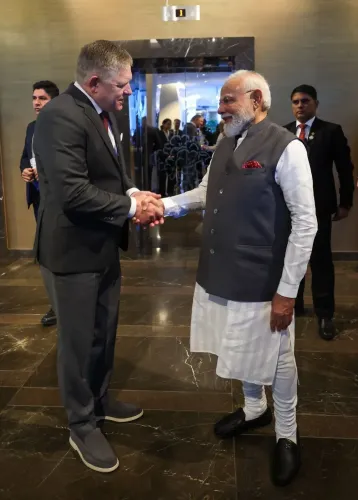
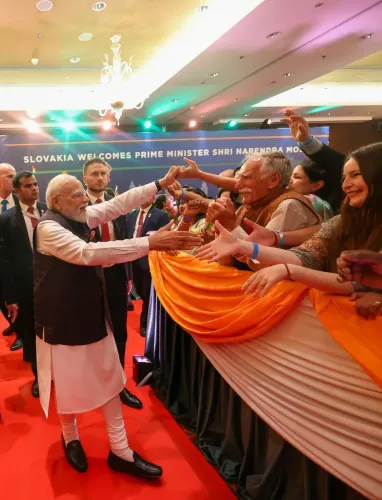
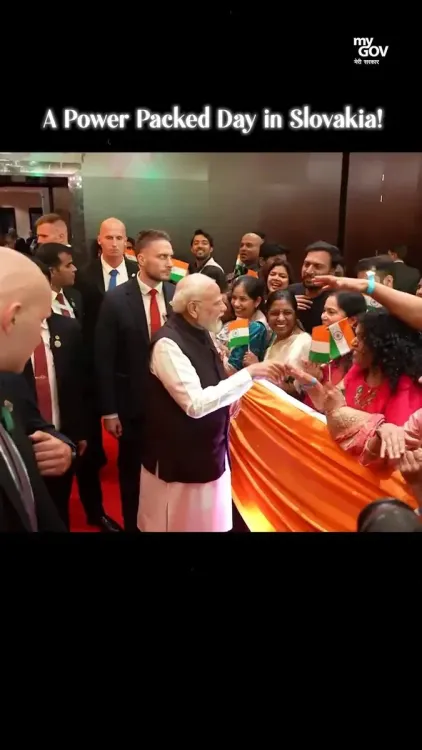
Union Parliamentary Affairs Minister Kiren Rijiju on June 16, 2026 highlighted PM Modi's visit to Slovakia as the first-ever by an Indian Prime Minister, describing the 24-hour engagement as a historic moment that opens a new chapter in India-Slovakia bilateral relations.
Key Takeaways
Union Minister Kiren Rijiju called PM Modi's Slovakia visit 'historic' and noted it as the first-ever visit by an Indian Prime Minister to the country.
The visit lasted 24 hours , with Rijiju describing it as carrying a 'lasting impact' on bilateral relations.
India and Slovakia have maintained diplomatic relations since 1993 , following the dissolution of Czechoslovakia.
The visit aligns with India's broader strategy of deepening ties with Central and Eastern European EU member states, including the Visegrad Group.
PM Modi had previously visited the Czech Republic in 2022 as part of India's Central European diplomatic outreach.
Follow-up on any bilateral agreements or joint statements from the visit is expected to shape the next phase of India-Slovakia engagement.
Union Parliamentary Affairs Minister Kiren Rijiju on Tuesday, June 16, 2026, highlighted Prime Minister Narendra Modi's visit to Slovakia as a landmark moment in bilateral ties, calling it the first-ever visit to the Central European nation by an Indian Prime Minister.
Context
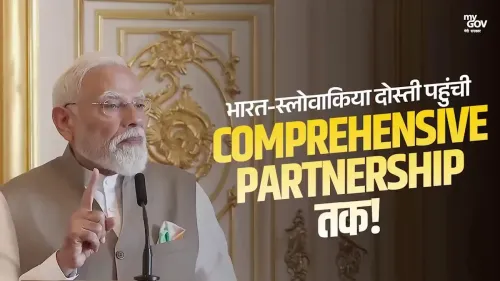
Rijiju described the 24-hour visit as one of 'historic moments' with 'lasting impact,' underscoring the significance the ruling dispensation attaches to India's expanding diplomatic footprint in Central Europe. The post, accompanied by a video, was shared on the minister's official X account as PM Modi concluded or was in the midst of the Slovakia leg of what appears to be a broader European engagement.
India and Slovakia have maintained formal diplomatic relations since 1993, following the peaceful dissolution of Czechoslovakia. However, high-level prime ministerial contact between the two nations had remained limited in the decades since, making the current visit a notable diplomatic first.
Policy Backdrop
The visit fits into a broader strategic pattern under successive Indian governments of deepening ties with Central and Eastern European EU member states — collectively referred to as the Visegrad Group — to diversify economic and strategic partnerships beyond traditional Western European capitals. PM Modi had previously visited the Czech Republic in 2022 as part of this outreach.
India and the European Union have been engaged in ongoing negotiations toward a comprehensive trade and investment agreement, making individual bilateral relationships with EU members increasingly important as building blocks for a broader India-EU strategic partnership. Slovakia's economy, with strengths in automobiles, information technology and manufacturing, aligns with several of India's industrial and trade interests.
Stakeholders and Impact
Business communities on both sides stand to benefit from any agreements or memoranda of understanding concluded during the visit. Indian IT firms, automobile component manufacturers and diplomatic officials are among the key stakeholders watching the outcomes closely.
For Slovakia, the visit signals recognition of its growing strategic relevance within the EU framework. For India, it represents another step in its multi-directional foreign policy approach, which seeks to cultivate partnerships across the full spectrum of European capitals rather than concentrating engagement at the EU level alone.
What's Next
Attention will now turn to the specific agreements, joint statements or institutional frameworks — if any — that emerge from the 24-hour visit. Any follow-up mechanisms established between New Delhi and Bratislava will be closely watched as indicators of the depth of the renewed bilateral engagement.
The visit could also carry implications for India's positioning ahead of future India-EU trade negotiations, where bilateral goodwill with individual member states can translate into diplomatic leverage at the bloc level. Ministers and officials on both sides are expected to build on the momentum generated by this first-ever prime ministerial visit.
Point of View
Where building bilateral warmth with smaller EU members is seen as laying groundwork for a more favourable India-EU trade deal. Central European nations, long overlooked in India's European diplomacy, are now clearly part of New Delhi's calculus. Whether the 24-hour visit translates into concrete deliverables will determine if this 'new chapter' has substance beyond symbolism.
NationPress
15 Sept 2026
Frequently Asked Questions
Has any Indian Prime Minister visited Slovakia before PM Modi?
According to the post by Union Minister Kiren Rijiju, PM Modi's visit is described as the first-ever visit to Slovakia by an Indian Prime Minister, marking a historic milestone in bilateral ties.
When did PM Modi visit Slovakia?
PM Modi's visit to Slovakia took place around June 16, 2026 , as referenced in Kiren Rijiju's social media post on that date, with the visit described as a 24-hour engagement.
What is the significance of India-Slovakia relations?
India and Slovakia have maintained diplomatic relations since 1993 following the dissolution of Czechoslovakia. Cooperation has focused on trade, IT and automobiles, and the visit is seen as opening a new chapter in bilateral ties.
Why is India engaging with Central European countries?
India has been stepping up engagement with Central and Eastern European EU members, including the Visegrad Group, to diversify its economic and strategic partnerships and build goodwill ahead of broader India-EU trade negotiations.
What did Kiren Rijiju say about PM Modi's Slovakia visit?
Rijiju described the visit as consisting of '24 hours, historic moments, lasting impact,' and said it 'marked a new chapter in bilateral relations,' calling it the first-ever visit by an Indian Prime Minister to Slovakia.