PM Modi Highlights India-Slovakia Ties After Special Visit
Synopsis
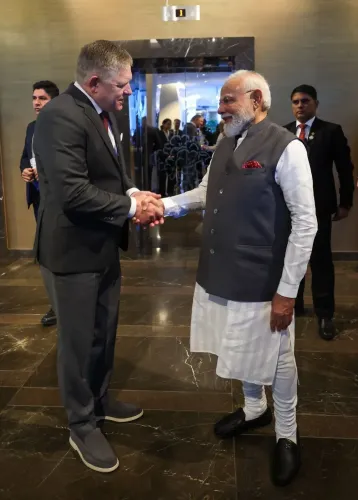
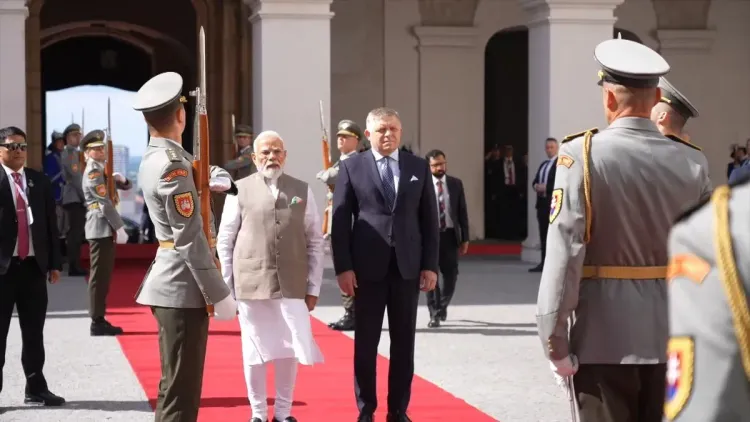
Prime Minister Narendra Modi on 16 June 2026 shared highlights from a visit to Slovakia, declaring the India-Slovakia friendship 'all set to grow even stronger' and signalling a deepening of bilateral ties spanning defence, technology, and trade.
Key Takeaways
PM Modi described his visit to Slovakia as a 'very special visit' in a post on 16 June 2026 .
India and Slovakia have maintained diplomatic relations since 1993 , following the dissolution of Czechoslovakia.
The visit aligns with India's strategy of deepening ties with smaller EU member states in Central Europe.
Key cooperation areas between the two countries include defence , IT , and trade.
Follow-up announcements on MoUs and agreements from the visit are expected in the coming days.
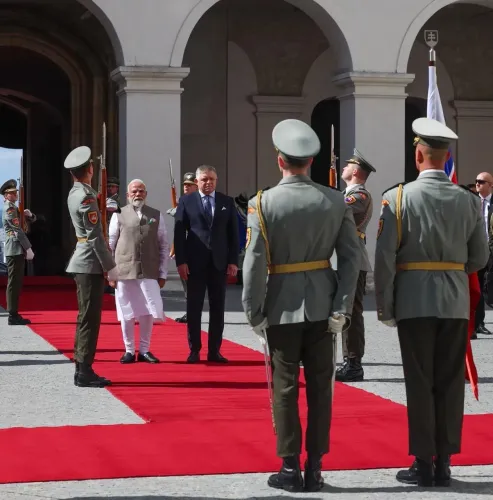
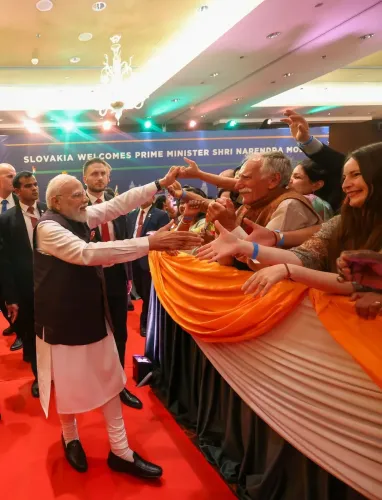
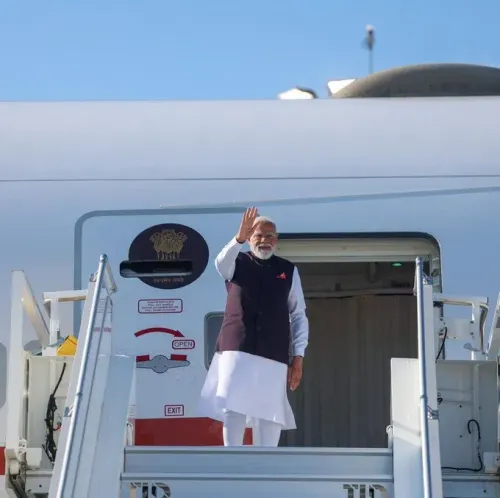
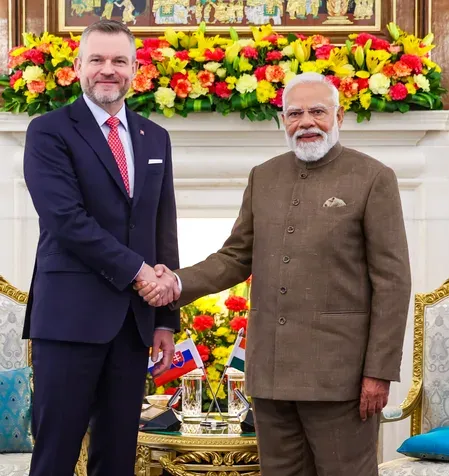
Prime Minister Narendra Modi on Tuesday, 16 June 2026, shared highlights from what he described as a 'very special visit' to Slovakia, saying the India-Slovakia friendship is 'all set to grow even stronger' — marking a significant moment in bilateral engagement between the two nations.
Context
India and Slovakia have maintained diplomatic relations since 1993, when the Central European republic established independent ties with New Delhi following the peaceful dissolution of Czechoslovakia. The two countries have cooperated across defence, information technology, and trade in the decades since.
Modi's visit represents a high-level engagement that is relatively rare at the bilateral level, elevating Slovakia's profile within India's European diplomatic outreach. The Prime Minister's post, accompanied by a video of visit highlights, signals that the trip carried substantive outcomes worth publicising.
Policy Backdrop
The visit fits a broader pattern in Indian foreign policy: deepening ties with small and medium-sized European Union member states in Central Europe, rather than concentrating exclusively on larger partners such as Germany and France. This strategy allows India to build a wider coalition of goodwill within EU institutions.
Areas of traditional cooperation between the two countries include defence manufacturing, IT services, and people-to-people exchanges. High-level visits of this nature typically serve as a platform to formalise such cooperation through memoranda of understanding and joint statements.
Stakeholders and Impact
Indian businesses — particularly in defence manufacturing and technology — stand to benefit from any agreements or frameworks that may have been discussed during the visit. Slovak firms, in turn, gain greater access to one of the world's fastest-growing large economies.
The visit also carries symbolic weight for the Indian diaspora and professional community in Central Europe, signalling that New Delhi is actively investing in relationships across the continent. For Slovakia, a bilateral summit-level engagement with India enhances its standing as a meaningful partner in the Indo-Pacific dialogue.
What's Next
Observers will watch closely for follow-up announcements on any MoUs or agreements signed during the visit, which are typically released through official government channels in the days following such trips. References to the visit's outcomes may also surface at the next EU-India Summit or in parliamentary sessions in both countries.
The momentum from this visit could contribute to a broader upgrading of the India-Slovakia bilateral framework, potentially including enhanced trade targets or new institutional mechanisms for cooperation in emerging sectors.
Point of View
Not just its largest economies. By engaging Bratislava at the highest level, New Delhi gains additional interlocutors within European institutions at a time when the EU-India relationship is being recalibrated. The emphasis on friendship and growth signals that this is not a one-off courtesy call but an investment in a longer-term partnership. The public highlighting of visit moments via social media also reflects the government's use of digital diplomacy to build domestic and international narratives around foreign policy wins.
NationPress
15 Sept 2026
Frequently Asked Questions
Why did PM Modi visit Slovakia in 2026?
PM Modi visited Slovakia as part of India's broader diplomatic engagement with Central European EU member states, aiming to strengthen bilateral ties in areas including defence, IT, and trade.
When did India and Slovakia establish diplomatic relations?
India and Slovakia established formal diplomatic relations in 1993 , following the peaceful dissolution of Czechoslovakia into the Czech Republic and Slovakia.
What are the main areas of India-Slovakia cooperation?
The two countries cooperate primarily in defence manufacturing, information technology, and trade, with people-to-people links also forming an important part of the bilateral relationship.
What outcomes are expected from Modi's Slovakia visit?
Observers are watching for announcements on MoUs or agreements signed during the visit, as well as possible references to outcomes at the next EU-India Summit or in parliamentary sessions.
How does Slovakia fit into India's European foreign policy?
Slovakia is part of India's strategy to diversify European partnerships beyond major economies like Germany and France, building goodwill with smaller EU member states in Central Europe.