PM Modi Arrives in Bratislava for India-Slovakia Talks
Synopsis
Prime Minister Narendra Modi arrived in Bratislava on 14 June 2026 for bilateral talks with Slovak President Peter Pellegrini and Prime Minister Robert Fico, seeking to deepen India-Slovakia ties and explore new cooperation in trade, technology, and strategic affairs.
Key Takeaways
PM Narendra Modi arrived in Bratislava, Slovakia on 14 June 2026 for a high-level bilateral visit.
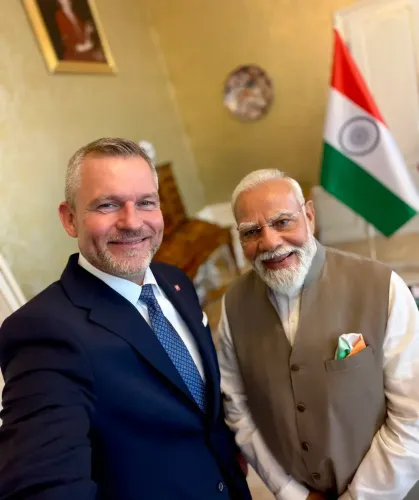
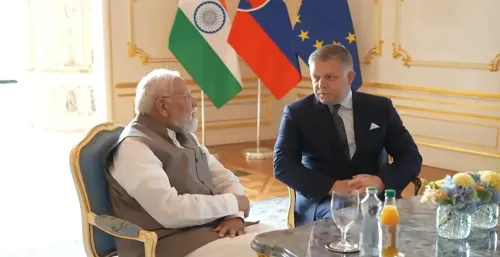
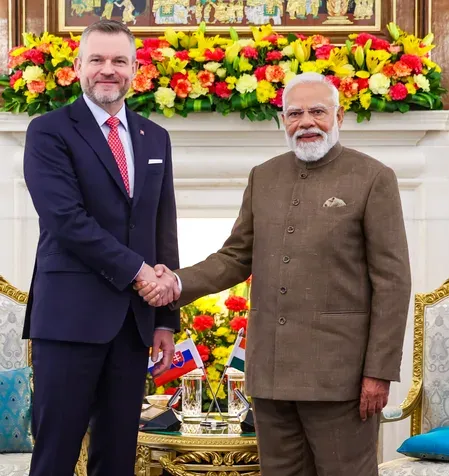
Modi is scheduled to hold talks with President Peter Pellegrini and Prime Minister Robert Fico .
India and Slovakia have maintained diplomatic relations since 1993 , with cooperation spanning automotive, engineering, and IT sectors.
The visit is part of India's broader strategy to deepen engagement with mid-sized EU member states in Central Europe.
Possible outcomes include new MoUs on trade, science and technology, or defence, and joint statements on multilateral issues.
Modi posted in Slovak on X, signalling a deliberate gesture of diplomatic outreach to the host nation.
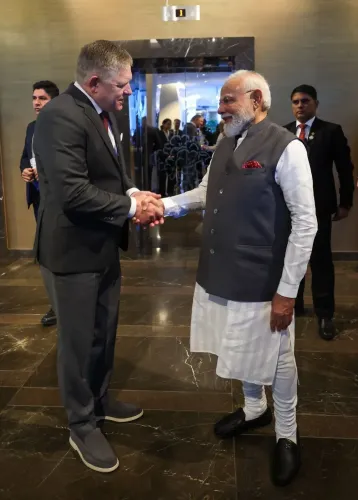
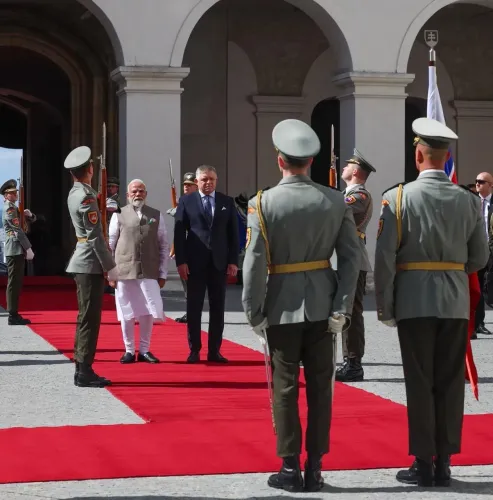
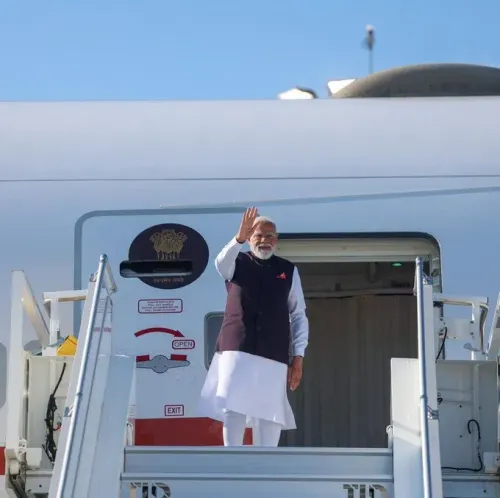
Prime Minister Narendra Modi arrived in Bratislava on Sunday, 14 June 2026, marking the beginning of a high-level bilateral visit to Slovakia aimed at deepening ties between the two countries and exploring new avenues of cooperation.
Posting on X in Slovak, Modi wrote: 'Dorazil som do Bratislavy' ('I have arrived in Bratislava'), adding that the visit 'represents an opportunity to deepen relations between India and Slovakia and to explore new possibilities for cooperation.' He expressed anticipation for 'constructive talks' with President Peter Pellegrini and Prime Minister Robert Fico.
Context
India and Slovakia established formal diplomatic relations in 1993, following the dissolution of Czechoslovakia. Over the past three decades, ties have grown steadily across trade, engineering, automotive manufacturing, and information technology sectors. Bratislava, the Slovak capital, serves as the venue for the high-level meetings.
Modi's decision to post in Slovak signals a deliberate diplomatic gesture, underscoring New Delhi's intent to engage partner nations in their own languages and on their own terms — a hallmark of recent Indian diplomatic outreach.
Policy Backdrop
India and Slovakia share a Double Taxation Avoidance Agreement originally concluded in 1984 and subsequently updated after Slovak independence to facilitate bilateral trade and investment flows. The two countries have maintained cooperation in sectors including automotive components and engineering goods, where Slovak industry holds significant global standing.
This visit fits within a broader New Delhi strategy of deepening engagement with mid-sized and smaller European Union member states in Central Europe. Rather than concentrating diplomatic energy solely on the EU's largest economies, India has pursued structured outreach across the continent to diversify supply chains and secure technology partnerships.
Slovakia is both an EU and NATO member, giving bilateral conversations an additional layer of strategic relevance at a time when India is expanding its foreign policy footprint in Europe.
Stakeholders and Impact
Indian businesses with interests in European manufacturing and technology supply chains stand to benefit from any agreements that emerge from the Bratislava talks. The Slovak automotive sector — home to major production facilities serving European and global markets — represents a potential area of enhanced industrial partnership with Indian component manufacturers.
For Slovakia, closer ties with one of the world's fastest-growing large economies offers diversification of its own trade and investment relationships. Talks with both President Pellegrini, who oversees foreign policy engagements, and Prime Minister Fico, who leads government-level negotiations, suggest a comprehensive bilateral agenda spanning diplomatic, economic, and potentially strategic dimensions.
What's Next
Observers will watch closely for the signing of any Memoranda of Understanding covering trade, science and technology, or defence cooperation, as well as any joint statements addressing multilateral issues. The outcomes of Modi's meetings with Pellegrini and Fico are expected to set the tone for India-Slovakia relations in the years ahead.
The Bratislava visit reinforces India's commitment to a multi-vector European engagement strategy, and any concrete deliverables — agreements, joint declarations, or new bilateral mechanisms — will be closely tracked by both governments and the business communities they represent.
Point of View
Paris, and London. By engaging both the Slovak president and prime minister in a single visit, New Delhi signals an intent to operate across all levels of the Slovak political structure. Posting in Slovak on X is a soft-power flourish consistent with Modi's personalised diplomatic style, designed to generate goodwill at the public level. The visit, if it produces tangible agreements, could serve as a template for similar outreach to other mid-sized EU members as India seeks to broaden its European strategic footprint.
NationPress
15 Sept 2026
Frequently Asked Questions
Why did PM Modi visit Bratislava in June 2026?
PM Modi visited Bratislava to deepen bilateral relations between India and Slovakia and to hold talks with President Peter Pellegrini and Prime Minister Robert Fico on trade, technology, and broader cooperation.
What is the relationship between India and Slovakia?
India and Slovakia established diplomatic relations in 1993 after the dissolution of Czechoslovakia. The two countries cooperate in automotive, engineering, and IT sectors and share a Double Taxation Avoidance Agreement updated after Slovak independence.
Who did PM Modi meet in Slovakia?
PM Modi was scheduled to meet Slovak President Peter Pellegrini, who handles foreign policy engagements, and Prime Minister Robert Fico, who leads government-level bilateral negotiations.
What agreements could come out of the India-Slovakia talks?
Possible outcomes include Memoranda of Understanding on trade, science and technology, or defence cooperation, as well as joint statements on multilateral issues, though no specific deals have been confirmed.
Why is India engaging smaller EU countries like Slovakia?
India has been expanding ties with mid-sized and smaller EU member states in Central Europe to diversify trade partnerships, secure manufacturing supply chains, and strengthen its overall strategic relationship with the European Union.