PM Modi Concludes 'Historic' Slovakia Visit, Cites Stronger Bilateral Ties
Synopsis
Prime Minister Narendra Modi wrapped up a visit to Slovakia on June 16, 2026, calling it 'historic and productive.' He highlighted stronger trade ties as a benefit for youth, thanked PM Robert Fico for a personal send-off, and underscored India's sustained diplomatic outreach to Central European EU nations.
Key Takeaways
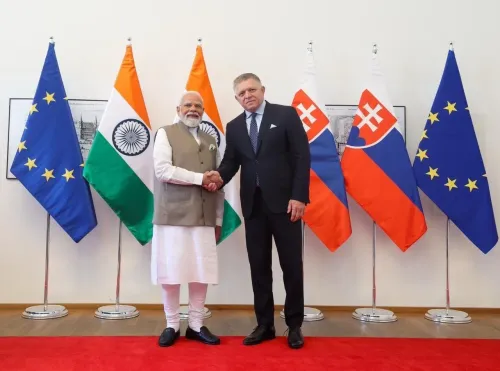
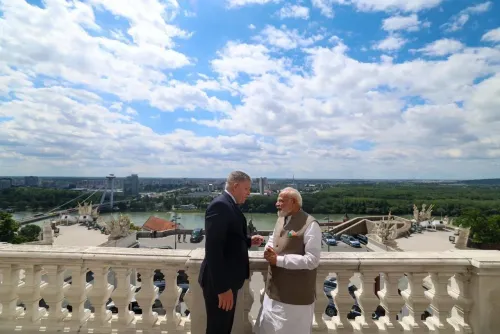
PM Modi concluded his visit to Slovakia on June 16, 2026 , describing it as 'historic and productive.' Modi said the visit's outcomes would 'significantly contribute to strengthening bilateral relations' between India and Slovakia.
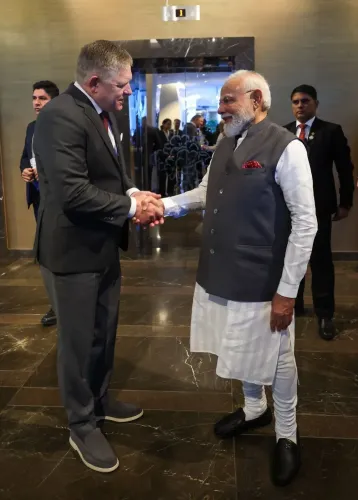
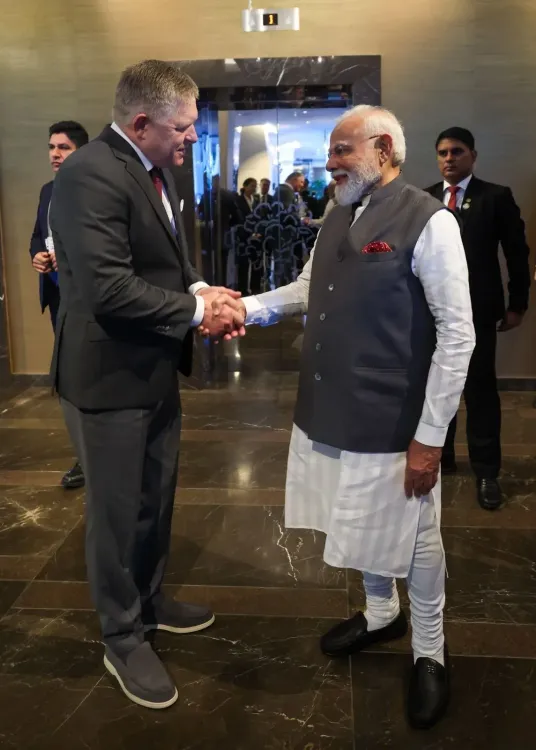
Slovak PM Robert Fico personally came to see Modi off, a gesture the Prime Minister publicly acknowledged and appreciated.
Modi specifically cited benefits for youth and future generations as a key dividend of stronger bilateral trade.
India and Slovakia have maintained diplomatic relations since 1993 , following the dissolution of Czechoslovakia.
The visit is part of India's broader pattern of deepening ties with Visegrad Group and Central European EU member states.
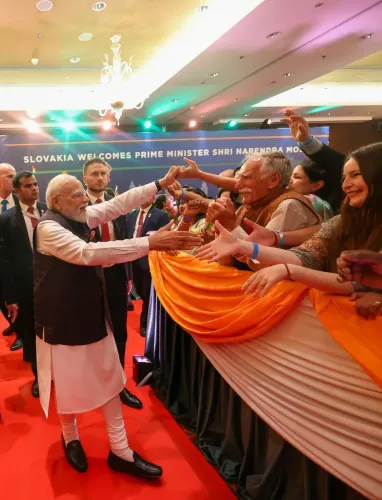
Prime Minister Narendra Modi on Tuesday, June 16, 2026, concluded his visit to Slovakia, describing it as 'historic and productive' and saying the outcomes would significantly strengthen bilateral relations between the two countries. Modi expressed particular optimism about deeper trade ties benefiting youth and future generations of both nations.
Context
Posting in Slovak on his official X account, PM Modi wrote: 'Končím historickú a produktívnu návštevu Slovenska' ('I am concluding a historic and productive visit to Slovakia'). He thanked the government and citizens of the Slovak Republic for their 'warm reception and hospitality,' and specifically acknowledged Slovak Prime Minister Robert Fico for personally coming to see him off. The post was accompanied by an image from the visit.
The choice to communicate in Slovak is a notable diplomatic gesture, underscoring the personal warmth Modi sought to convey to Slovak audiences. Fico, tagged directly in the post as @RobertFicoSVK, has been engaged in advancing bilateral cooperation with visiting foreign leaders on trade and security matters.
Policy Backdrop
India and Slovakia established formal diplomatic relations in 1993 following the dissolution of Czechoslovakia in what is known as the Velvet Divorce. Since the 2010s, India has pursued deeper engagement with Visegrad Group nations — Slovakia, Czech Republic, Poland, and Hungary — as part of a broader strategy to diversify its European partnerships beyond traditional western anchors.
High-level visits of this nature typically focus on expanding trade volumes, facilitating technology transfers, and identifying investment corridors, without necessarily culminating in major new treaties. Modi's emphasis on trade benefits for youth aligns with a recurring theme in India's bilateral diplomacy — linking economic integration to demographic dividends on both sides.
Stakeholders and Impact
The primary stakeholders identified in Modi's post are the youth and future generations of both India and Slovakia, who stand to benefit from expanded commercial ties. The bilateral business communities — particularly in sectors where Slovakia has industrial strength, such as automotive manufacturing and engineering — and Indian exporters in pharmaceuticals, IT services, and goods are likely to be central to any follow-up frameworks.
For Slovakia, deepening ties with one of the world's fastest-growing major economies offers an opportunity to diversify trade relationships within its EU membership context. For India, the visit reinforces its sustained outreach to Central European EU members as it seeks to broaden its strategic and economic footprint across the continent.
What's Next
Attention will now turn to the implementation of any trade or investment understandings reached during the visit, with business delegations and follow-up ministerial contacts expected to translate high-level goodwill into concrete outcomes. India's next scheduled engagements with EU institutions or other Visegrad partners will indicate the pace and depth of this Central European diplomatic push.
The visit, framed by Modi as 'historic,' sets a baseline against which future India-Slovakia cooperation will be measured, particularly on whether trade volumes and youth-oriented programmes see tangible growth in the months ahead.
Point of View
Going beyond standard communiqués to directly address host-nation publics. The emphasis on youth and trade — rather than defence or geopolitics — reflects India's preferred framing for EU-member engagements, where economic interdependence is the least contentious entry point. The public acknowledgement of Fico's personal send-off is also a studied diplomatic signal, reinforcing bilateral warmth at a time when India is calibrating relationships across a fragmented European political landscape. Together, these gestures suggest New Delhi views Central European EU members as increasingly important nodes in its multi-alignment strategy.
NationPress
15 Sept 2026
Frequently Asked Questions
Why did PM Modi visit Slovakia?
PM Modi visited Slovakia to strengthen bilateral relations, with a focus on expanding trade ties that he said would benefit the youth and future generations of both countries.
What did PM Modi say about his Slovakia visit?
Modi described the visit as 'historic and productive,' saying its results would significantly contribute to strengthening India-Slovakia bilateral relations, and thanked the Slovak government and citizens for their warm hospitality.
Who is Robert Fico and what is his role in India-Slovakia ties?
Robert Fico is the Prime Minister of Slovakia. He personally came to see off PM Modi at the conclusion of the visit, a gesture Modi publicly acknowledged as a mark of the strong personal rapport between the two leaders.
What are India-Slovakia diplomatic relations?
India and Slovakia established formal diplomatic relations in 1993 after the dissolution of Czechoslovakia. Since then, the two countries have engaged in trade promotion and high-level visits as part of India's broader outreach to Central European EU nations.
What is India's relationship with the Visegrad Group?
India has been deepening ties with the Visegrad Group — comprising Slovakia, Czech Republic, Poland , and Hungary — since the 2010s, focusing on trade expansion, technology, and investment as part of its strategy to diversify European partnerships.