PM Modi Concludes Historic Slovakia Visit, Cites Trade and Youth
Synopsis
Prime Minister Narendra Modi concluded a self-described 'historic and productive' visit to Slovakia on 16 June 2026, underscoring stronger bilateral trade relations and their potential to benefit Indian youth, while thanking Slovak PM Robert Fico for a personal farewell gesture.
Key Takeaways
Prime Minister Narendra Modi concluded his visit to Slovakia on 16 June 2026 , calling it 'historic and productive.' Modi highlighted that stronger India-Slovakia trade relations would 'greatly benefit' Indian youth.
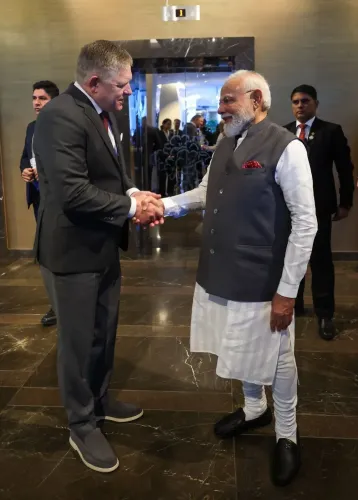
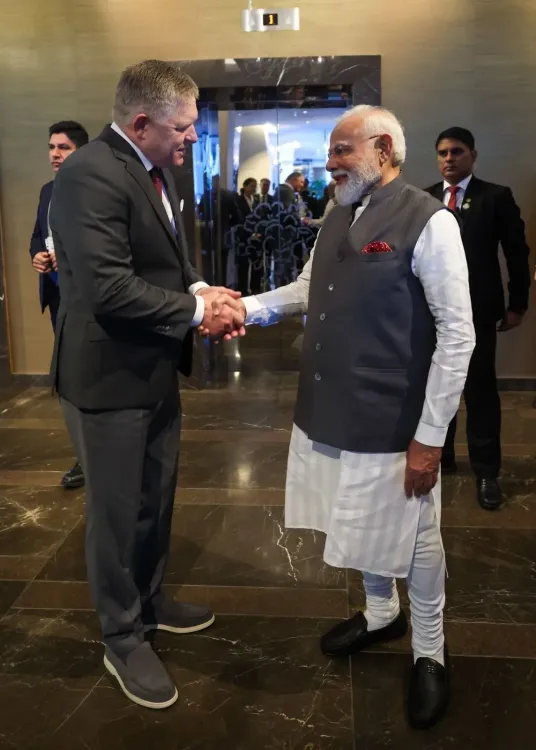
Slovak Prime Minister Robert Fico personally came to see Modi off, a diplomatic gesture signalling strong bilateral regard.
India and Slovakia established diplomatic relations in 1993 following Slovakia's independence from Czechoslovakia.
The visit fits Modi's broader strategy since 2014 of deepening ties with smaller Central European EU economies to diversify trade and investment flows.
Specific agreements or MoUs from the visit are expected to be detailed in subsequent official statements and parliamentary briefings.
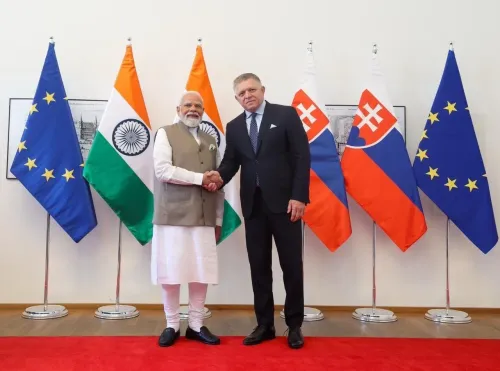
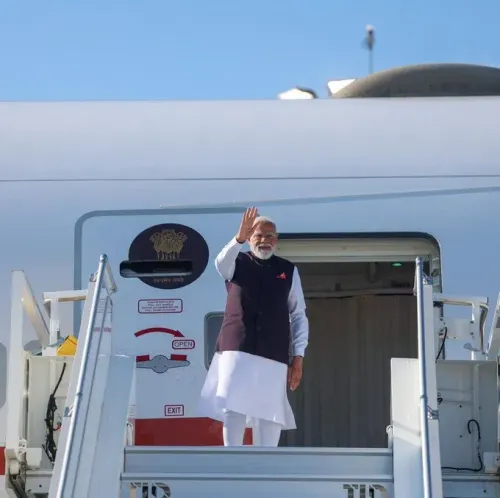
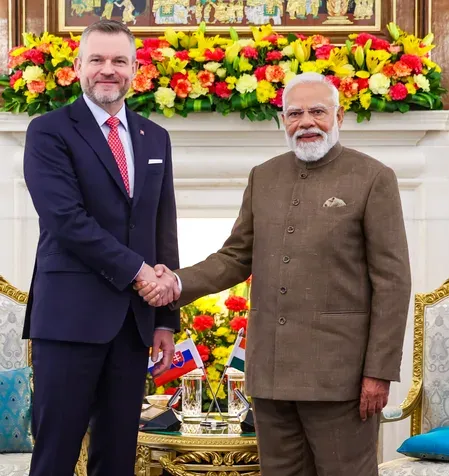
Prime Minister Narendra Modi on Tuesday, 16 June 2026, announced the conclusion of what he described as a 'historic and productive' visit to Slovakia, highlighting strengthened bilateral ties and the promise of expanded trade relations for India's youth. Modi expressed gratitude to the Slovakian government and people for their warmth, and noted that Slovak Prime Minister Robert Fico personally came to see him off.
Context
In his post on X, Modi wrote: 'Concluding a historic and productive visit to Slovakia. The outcomes of this visit will go a long way in strengthening bilateral ties between our nations. Stronger trade relations will greatly benefit our youth.' He added: 'I am very grateful to Prime Minister Fico for coming to see me off.' The gesture by Prime Minister Robert Fico — personally accompanying Modi at departure — is widely regarded in diplomatic practice as a mark of strong bilateral regard.
India and Slovakia established formal diplomatic relations in 1993, following Slovakia's independence from Czechoslovakia. The two countries have maintained steady, if modest, engagement through bilateral mechanisms and broader EU-India dialogues over the past three decades.
Policy Backdrop
The Slovakia visit fits into a recognisable pattern in Modi's foreign economic policy since 2014: targeted outreach to smaller Central European EU economies — including the Visegrad group — to diversify trade, investment, and technology flows beyond India's traditional large partners such as Germany or France. Slovakia, a Central European EU and NATO member with a strong automotive and manufacturing base, represents a potentially complementary partner for Indian services and manufacturing exports.
Prime Minister Fico, who leads the Smer party and has served multiple terms, has maintained a focus on domestic economic priorities within EU frameworks. The emphasis on youth employment through trade — a recurring motif in Modi's bilateral engagements — signals that both sides may be exploring pathways for skills, mobility, or industrial collaboration, though specific agreements from this visit remain to be confirmed in official joint statements.
Stakeholders and Impact
Indian youth are explicitly cited by Modi as primary beneficiaries of stronger trade ties with Slovakia. Expanded bilateral trade can open opportunities in sectors such as engineering, information technology, and manufacturing — areas where India has a large and growing workforce. For Slovakia, deeper engagement with one of the world's fastest-growing major economies offers access to a vast consumer market and a skilled labour pool.
Broader trade sectors in both countries — particularly automotive components, machinery, and services — stand to gain from any new facilitation frameworks or memoranda of understanding that may emerge from the visit's outcomes. Indian businesses operating in Central Europe may also find Slovakia a more accessible entry point into the wider EU single market.
What's Next
Attention will now turn to official joint statements, any memoranda of understanding, or trade facilitation steps announced during the visit, which are expected to be detailed in subsequent government briefings or parliamentary updates. Further bilateral or EU-level engagements between India and Slovakia may follow at scheduled multilateral summits in the months ahead.
If the visit's outcomes translate into concrete trade or investment frameworks, it could serve as a template for India's broader Central European engagement strategy — reinforcing New Delhi's ambition to build diversified economic partnerships across the continent beyond its traditional anchors.
Point of View
Modi frames foreign policy in domestic terms, connecting overseas diplomacy to the jobs agenda that defines his political brand. Fico's personal farewell gesture adds a layer of optics that both governments will likely leverage to signal momentum. The real test will be whether the visit's 'historic' label is backed by verifiable deliverables in trade facilitation, investment pledges, or mobility frameworks in the weeks ahead.
NationPress
15 Sept 2026
Frequently Asked Questions
Why did PM Modi visit Slovakia in June 2026?
Prime Minister Narendra Modi visited Slovakia to strengthen bilateral ties, with a particular focus on expanding trade relations that his office says will benefit Indian youth . The visit is part of India's broader strategy of deepening engagement with Central European EU economies.
What were the outcomes of Modi's Slovakia visit?
Modi described the visit as 'historic and productive' and said its outcomes would go a long way in strengthening bilateral ties. Specific agreements or memoranda of understanding are expected to be detailed in official joint statements and government briefings following the visit.
Who is Robert Fico and what is his role in India-Slovakia ties?
Robert Fico is the Prime Minister of Slovakia and leader of the Smer party, having served multiple terms. He personally came to see PM Modi off at the conclusion of the visit, a diplomatic gesture that underscores the warmth in current bilateral relations.
When did India and Slovakia establish diplomatic relations?
India and Slovakia established formal diplomatic relations in 1993 , following Slovakia's independence from Czechoslovakia. The two countries have since maintained steady engagement through bilateral mechanisms and EU-India dialogues.
How does Modi's Slovakia visit fit into India's foreign policy?
The Slovakia visit is part of PM Modi's consistent effort since 2014 to build economic partnerships with smaller Central European nations, diversifying India's trade and investment ties beyond larger EU partners like Germany and France .