PM Modi Elevates India-Slovakia Ties to Comprehensive Partnership
Synopsis
Prime Minister Narendra Modi and Slovak PM Robert Fico elevated India-Slovakia ties to a Comprehensive Partnership on June 15, 2026, marking a significant upgrade from three decades of modest diplomatic relations and signalling expanded cooperation in trade, technology, and beyond.
Key Takeaways
Prime Minister Narendra Modi met Slovak PM Robert Fico on June 15, 2026 , calling it an 'excellent meeting.' India and Slovakia formally elevated bilateral ties to the level of a Comprehensive Partnership .
Diplomatic relations between the two countries date to 1993 , following the dissolution of Czechoslovakia.
The upgrade follows India's broader pattern of formalising tiered partnerships with mid-sized European economies.
Slovakia's EU membership gives the partnership potential significance as a gateway for Indian industry into the European single market.
A joint statement or action plan detailing specific cooperation sectors is expected to follow the summit.
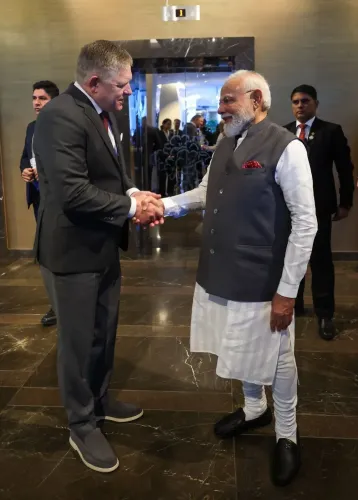
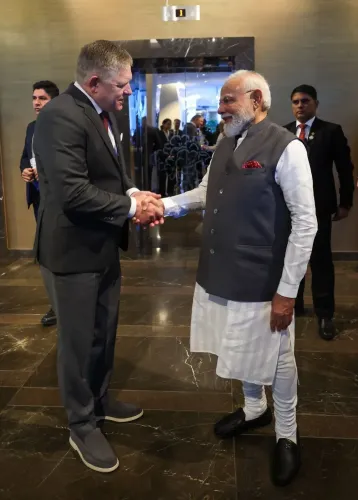
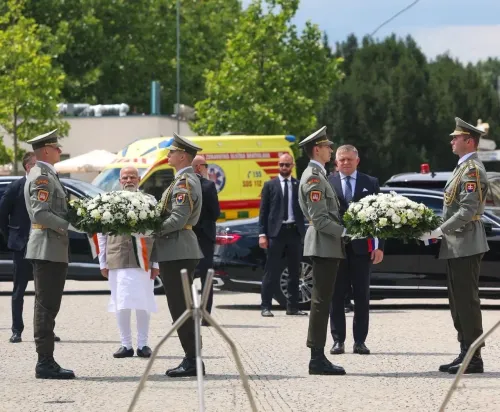
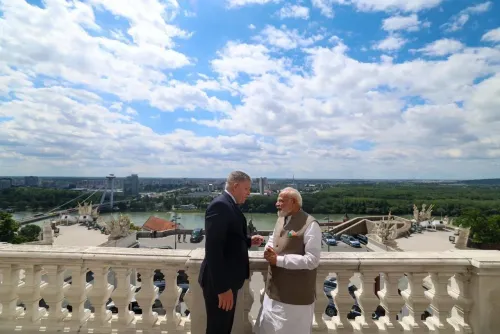
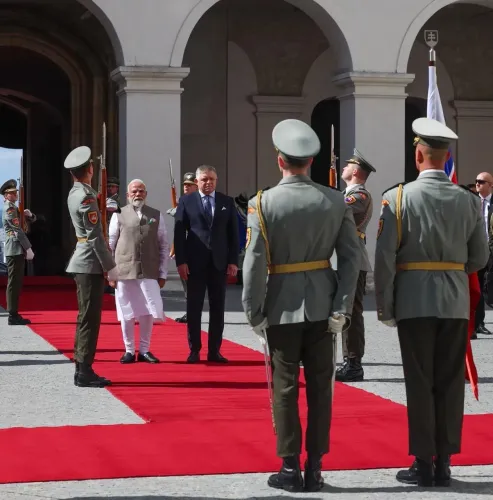
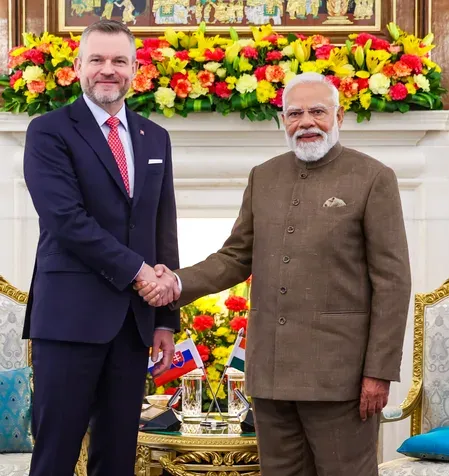
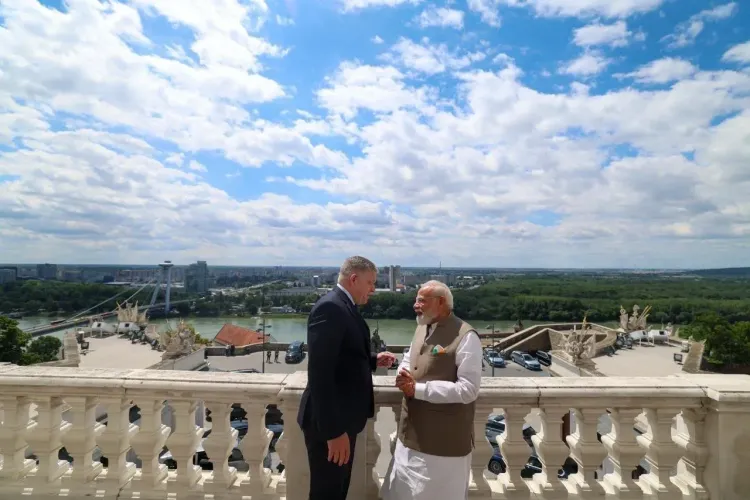
Prime Minister Narendra Modi met with Slovak Prime Minister Robert Fico on Monday, June 15, 2026, describing the talks as an 'excellent meeting' and announcing that India and Slovakia have elevated their bilateral relationship to the level of a Comprehensive Partnership.
Posting in Slovak on X, Modi wrote: 'S premiérom Ficom som absolvoval výborné stretnutie.' ('I had an excellent meeting with Prime Minister Fico. This is truly a very exceptional moment for friendship between India and Slovakia.') He added that, given the 'great potential' of the relationship, the two sides have 'elevated it to the level of Comprehensive Partnership.'
Context
India and Slovakia established diplomatic relations in 1993, following the dissolution of Czechoslovakia. Over the ensuing three decades, ties remained cordial but relatively modest in scope, anchored by periodic agreements on trade, science, and culture. The June 2026 meeting marks a significant formal upgrade, signalling that both governments see expanded strategic and economic value in the relationship.
Robert Fico, who has led multiple Slovak governments since 2006, is one of Central Europe's most prominent and long-serving political figures. His engagement with Modi at this level reflects a mutual interest in broadening the partnership beyond its traditional, limited footprint.
Policy Backdrop
The elevation to Comprehensive Partnership follows an established pattern in India's diplomatic playbook. New Delhi has progressively upgraded its formal relationship tiers with mid-sized economies across Europe and beyond, using structured frameworks to deepen cooperation in areas such as trade, technology, and defence. Engagements with Central European nations, including members of the Visegrad Group, form part of a broader effort to diversify India's European partnerships beyond its traditional anchors in Western Europe.
The post notes that bilateral conversations covered 'cooperation in various areas,' though a full enumeration was cut off in the shared text. A joint statement or bilateral action plan is expected to detail the specific sectors and any new institutional mechanisms or trade targets agreed upon.
Stakeholders and Impact
The upgrade is most immediately significant for the business communities and diplomatic officials of both countries. A Comprehensive Partnership framework typically creates structured channels for investment facilitation, joint research, and people-to-people exchanges — opening doors that a standard diplomatic relationship does not formalize.
Slovakia, as an EU member state, also offers Indian industry a gateway into the European single market. Sectors such as automotive manufacturing, information technology, and pharmaceuticals — areas of strength for both economies — are likely candidates for deeper collaboration under the new framework.
What's Next
Attention will now turn to the release of a joint statement or bilateral action plan that specifies the sectors covered under the Comprehensive Partnership, along with any new bilateral mechanisms, investment targets, or people-to-people initiatives. Implementation of such frameworks typically involves follow-on ministerial meetings and working-group formations in the months after a summit-level announcement.
The upgrade also sets a precedent for India's broader Central European engagement, potentially encouraging similar conversations with other regional partners as New Delhi continues to deepen its footprint across the European continent.
Point of View
Not just its western anchor states. By engaging Robert Fico — a durable and influential Central European leader — Modi signals that New Delhi sees geopolitical and economic value in diversifying its European interlocutors. The use of Slovak in the post is a deliberate diplomatic gesture, underscoring the personal investment Modi's office places in soft-power communication. Observers will watch whether this upgrade translates into concrete trade or investment figures, or remains a framework agreement awaiting operationalisation.
NationPress
14 Sept 2026
Frequently Asked Questions
What is the Comprehensive Partnership between India and Slovakia?
A Comprehensive Partnership is a formal diplomatic framework that upgrades bilateral ties, creating structured channels for cooperation in areas such as trade, technology, defence, and people-to-people exchanges. India and Slovakia agreed to this elevated status during PM Modi's meeting with Slovak PM Robert Fico on June 15, 2026.
When did India and Slovakia establish diplomatic relations?
India and Slovakia established diplomatic relations in 1993 , following the peaceful dissolution of Czechoslovakia into the Czech Republic and Slovakia.
Why did PM Modi post in Slovak on X?
PM Modi posted in Slovak as a diplomatic gesture to mark his meeting with Slovak PM Robert Fico, reflecting the Modi government's practice of using a host country's language on social media to signal warmth and personal engagement during bilateral visits.
What areas of cooperation did India and Slovakia discuss?
PM Modi's post indicated that talks covered 'cooperation in various areas,' though the full list was not disclosed in the social media post. A joint statement or bilateral action plan is expected to detail the specific sectors agreed upon under the new Comprehensive Partnership framework.