PM Modi Thanks Indian Diaspora for Bratislava Welcome
Synopsis
Prime Minister Narendra Modi expressed gratitude to the Indian community in Bratislava for a warm reception on 14 June 2026, describing it as a reflection of enduring India-Slovakia friendship. The engagement forms part of India's broader diplomatic outreach to Central European EU members.
Key Takeaways
Prime Minister Narendra Modi thanked the Indian diaspora in Bratislava for a reception held on the evening of 14 June 2026 .
Modi called the welcome 'truly special' and said it reflected 'enduring bonds' between India and Slovakia.
India and Slovakia have maintained diplomatic relations since 1993 , with cooperation spanning trade, automobiles, IT and student mobility.
Diaspora receptions have been a standard element of Modi's European visits since 2014 , serving soft-power and investment-promotion goals.
Slovakia is part of India's outreach to newer EU members in Central Europe, diversifying beyond traditional Western European partners.
Bilateral agreements and joint statements from the Bratislava visit are expected to follow the community engagement.
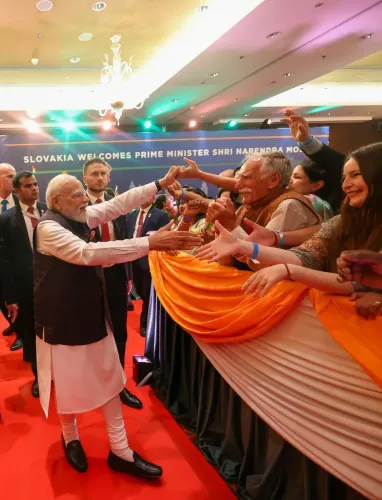
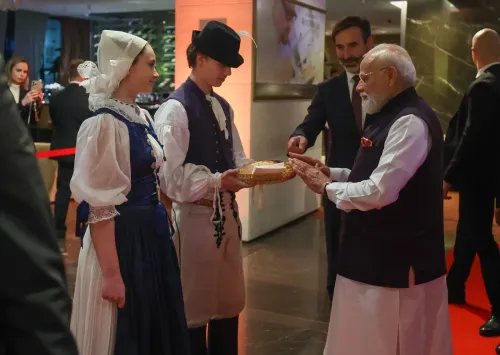
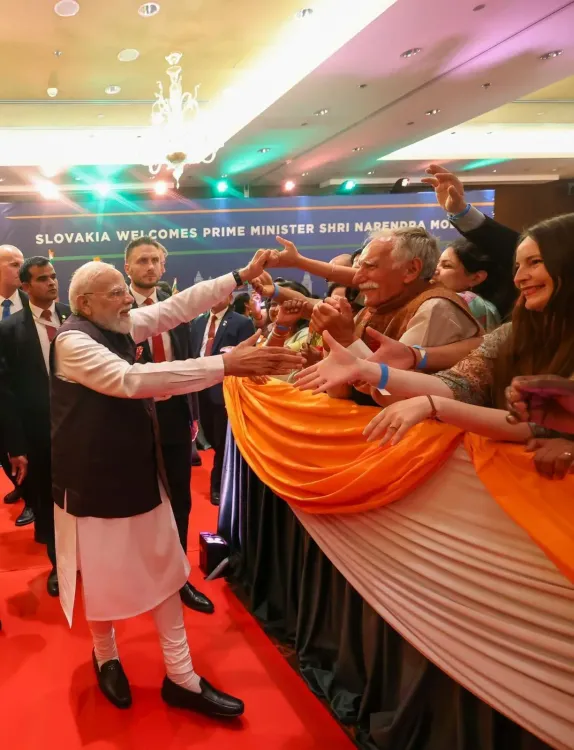
Prime Minister Narendra Modi on Monday, 15 June 2026, expressed gratitude to the Indian community in Slovakia for a warm reception he received in Bratislava the previous evening, calling the welcome 'truly special' and describing it as a reflection of enduring people-to-people ties between India and Slovakia.
Context
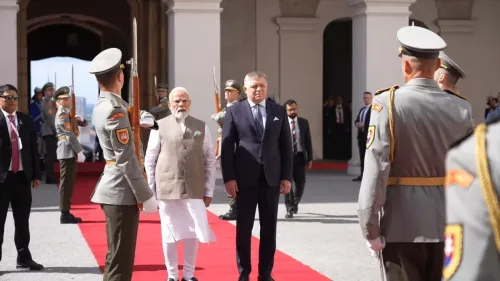
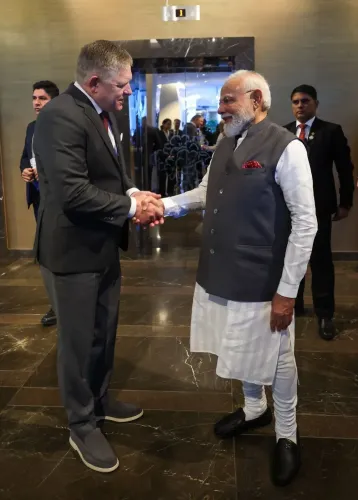
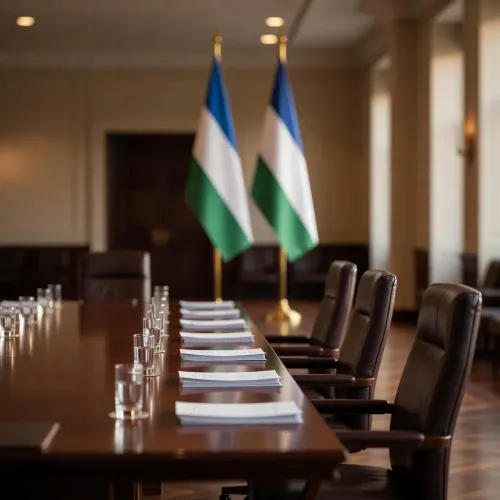
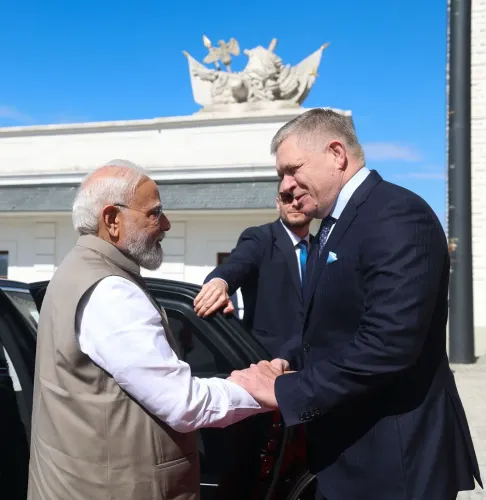
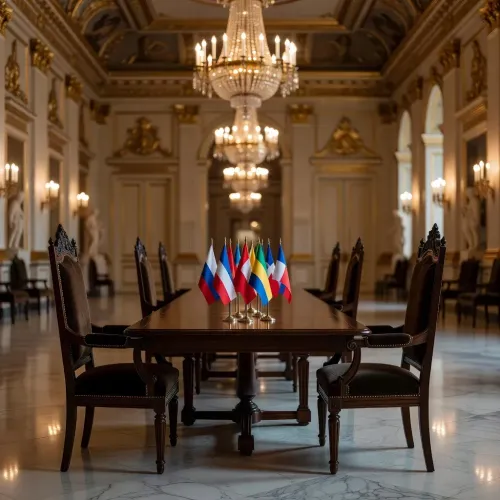
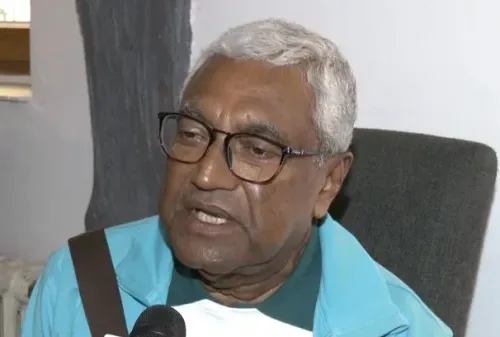
Modi posted on X that the 'welcome in Bratislava was truly special,' thanking the Indian community for their 'warmth and affection.' He said such gestures 'reflect the enduring bonds that connect our people and strengthen the India-Slovakia friendship.' The post was accompanied by four images from the reception, underscoring the personal character of the community engagement.
The reception took place on the evening of Sunday, 14 June 2026, during what appears to be an official visit to the Slovak capital. Bratislava is the capital of Slovakia, a Central European nation and member of both the European Union and NATO.
Policy Backdrop
India and Slovakia have maintained diplomatic relations since 1993, building on ties that date to India's engagement with Czechoslovakia from 1948. Bilateral cooperation has historically centred on trade, the automobile sector, information technology, and more recently, student mobility and technology transfer.
Diaspora receptions have been a consistent feature of Modi's European visits since he took office in 2014. Similar community engagements were held during visits to Germany and France in 2015, serving both a soft-power function and as a platform to encourage investment flows back to India. Slovakia represents part of India's broader outreach to newer EU members in Central Europe, a deliberate diversification beyond traditional Western European partners.
Stakeholders and Impact
The Indian diaspora in Slovakia, though smaller than communities in Western European capitals, plays a role in bilateral people-to-people links. For the Slovak government, a high-profile visit by an Indian prime minister signals the growing importance New Delhi places on Central European partners within its EU engagement strategy.
Broader stakeholders include EU-India trade partners watching for any signals on deepening economic cooperation, as well as Indian students and professionals based in Slovakia who benefit from stronger bilateral frameworks covering mobility and recognition of qualifications.
What's Next
Attention will now turn to any bilateral agreements or joint statements expected to emerge from the formal leg of the Bratislava visit, including talks on technology cooperation, defence manufacturing, and trade. Progress on these fronts could feed into discussions at the next India-EU summit, where Central European voices carry growing weight. The diaspora reception, while ceremonial in tone, typically sets a positive political atmosphere ahead of substantive government-to-government negotiations.
Point of View
Paris or London. The warmth of community reception also serves a practical function, creating a favourable political climate before formal bilateral talks. Cumulatively, such engagements build a constituency for India within host countries that can influence trade and visa policy over time.
NationPress
13 Sept 2026
Frequently Asked Questions
Why did PM Modi visit Bratislava in June 2026?
Prime Minister Modi visited Bratislava, the capital of Slovakia, as part of an official bilateral visit aimed at strengthening India-Slovakia ties, including engagement with the Indian diaspora and formal government-to-government discussions.
What did Modi say about the Bratislava reception?
Modi said the welcome he received in Bratislava on the evening of 14 June 2026 was 'truly special' and thanked the Indian community for their 'warmth and affection,' describing the gesture as reflecting enduring bonds between the two peoples.
What are India-Slovakia relations based on?
India and Slovakia have maintained diplomatic relations since 1993, with cooperation focused on trade, the automobile sector, information technology, student mobility and, more recently, technology transfer and defence manufacturing.
How does Modi use diaspora events during foreign visits?
Prime Minister Modi has consistently used diaspora receptions during European visits to project soft power, strengthen people-to-people links, and encourage the overseas Indian community to invest in and advocate for India in their host countries.
What is India's broader strategy in Central Europe?
India is deepening engagement with newer EU members in Central Europe, including Slovakia, as part of a strategy to diversify its European partnerships beyond traditional Western European capitals and build influence within the broader EU framework.