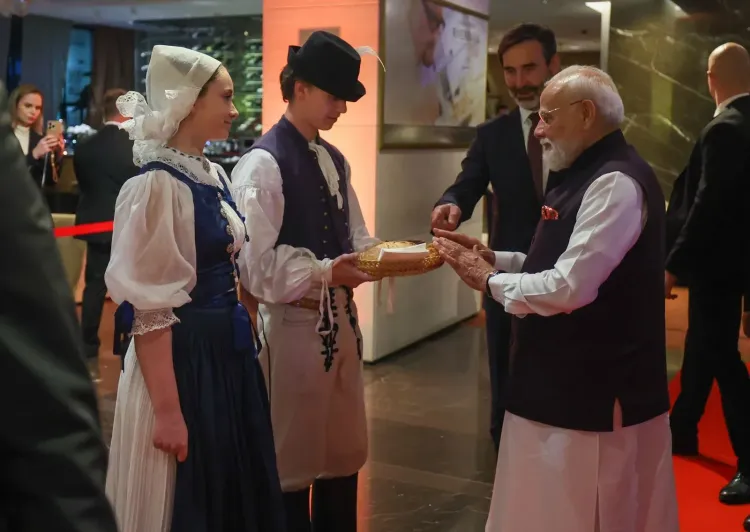
PM Modi welcomed with bread and salt in Bratislava
Synopsis
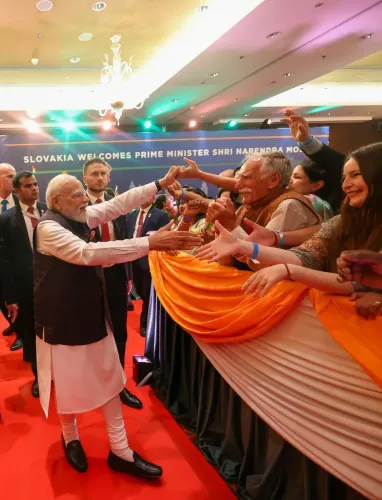
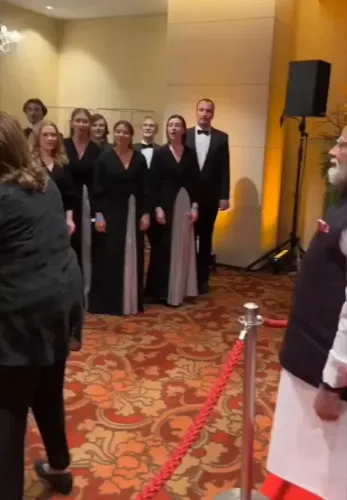
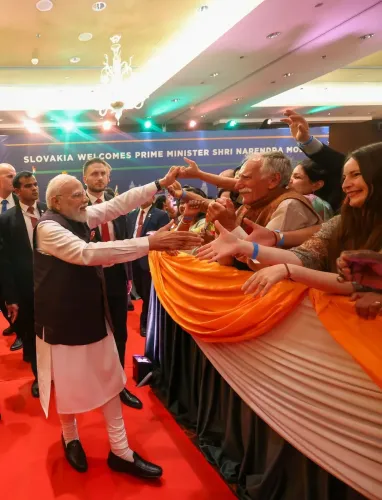
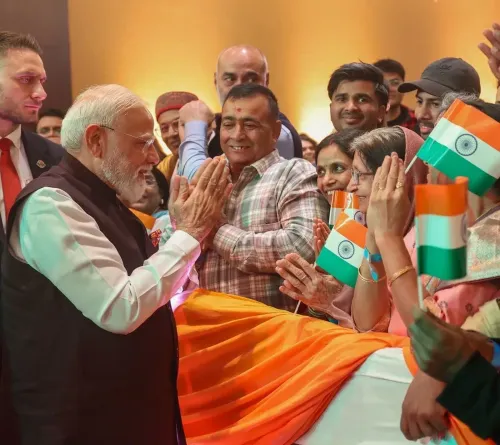
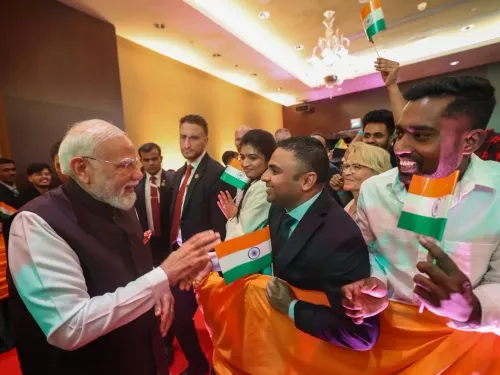
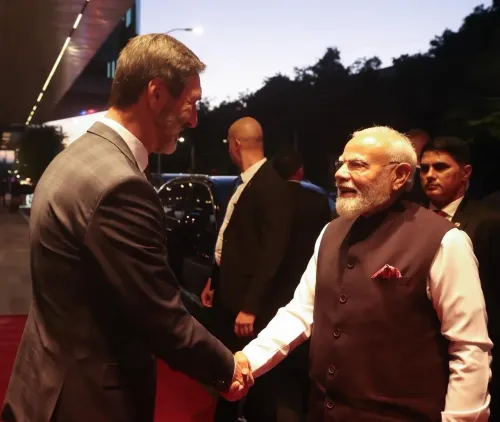
Prime Minister Narendra Modi was welcomed in Bratislava with Slovakia's traditional bread-and-salt ceremony on 15 June 2026. Modi called it a beautiful reflection of Slovak cultural heritage and goodwill, underscoring the cultural dimension of India's expanding European diplomatic engagement.
Key Takeaways
Prime Minister Narendra Modi arrived in Bratislava , Slovakia, on 15 June 2026 for an official visit.
He was received with a traditional bread-and-salt welcome, a centuries-old Central European gesture of hospitality and friendship.
India and Slovakia have maintained diplomatic relations since 1993 , when Slovakia gained independence.
The visit is part of Modi's broader pattern of engaging EU and NATO member states to deepen India's European partnerships.
Observers are watching for joint statements or MoUs that may follow the ceremonial welcome.
Prime Minister Narendra Modi was received in Bratislava, the capital of Slovakia, with a traditional offering of bread and salt — a ceremonial gesture of goodwill that the Prime Minister described as 'a beautiful reflection of Slovakia's rich cultural heritage' in a post on Monday, 15 June 2026.
Context
The bread-and-salt welcome is a centuries-old Central and Eastern European tradition extended to distinguished guests as a symbol of hospitality, prosperity and friendship. Modi acknowledged the gesture warmly, noting that it reflects 'the values of goodwill and friendship' that Slovakia cherishes — language that fits squarely within India's diplomatic messaging of people-to-people and cultural bonds.
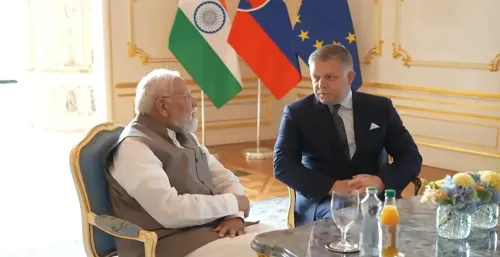
Bratislava is the seat of the Slovak government and the venue for formal state receptions for visiting heads of government. The welcome ceremony marks the opening of the Prime Minister's engagement in the Slovak capital.
Policy Backdrop
India and Slovakia established formal diplomatic relations in 1993, the same year Slovakia gained independence following the peaceful dissolution of Czechoslovakia. Bilateral ties have remained modest in volume but have grown steadily, with both sides seeking to expand cooperation in trade, technology and cultural exchange.
Modi has undertaken multiple visits to European Union capitals over the course of his tenure as Prime Minister, consistently using such trips to deepen India's partnerships across the continent. Slovakia is a member of both the EU and NATO, giving the bilateral relationship a strategic dimension that extends beyond commerce.
Stakeholders and Impact
Diplomatic delegations from both countries stand to gain from the momentum that a Prime Ministerial visit generates. Cultural exchange bodies on both sides are likely to see renewed attention, particularly given Modi's emphasis on Slovakia's heritage in his public remarks.
For India, the visit is consistent with a broader pattern of engaging EU member states individually to build durable bilateral frameworks alongside the larger India-EU institutional dialogue. For Slovakia, a high-profile visit from the leader of one of the world's most populous democracies carries diplomatic and economic signal value.
What's Next
Observers will watch closely for any joint statements, memoranda of understanding, or announcements on trade and investment that emerge from the Bratislava stop. Such outcomes typically form the substantive core of Prime Ministerial visits beyond the ceremonial welcome.
The visit may also set the tone for references at the next India-EU summit, where bilateral momentum built during individual country visits is often consolidated into broader multilateral commitments.
Point of View
Designed to build popular goodwill alongside formal agreements. For Slovakia, the attention signals that India views even smaller EU members as meaningful bilateral partners rather than mere stepping stones to Brussels. The visit fits a broader arc in which India seeks to diversify and deepen its European relationships ahead of potential shifts in the global trade and security order.
NationPress
13 Sept 2026
Frequently Asked Questions
Why did PM Modi visit Bratislava?
PM Modi visited Bratislava as part of his diplomatic engagement with European Union member states, aiming to strengthen bilateral ties between India and Slovakia in areas such as trade, technology and cultural exchange.
What is the bread-and-salt welcome tradition?
The bread-and-salt welcome is a centuries-old Central and Eastern European tradition in which distinguished guests are offered bread and salt as a symbol of hospitality, prosperity and friendship.
When did India and Slovakia establish diplomatic relations?
India and Slovakia established formal diplomatic relations in 1993 , the year Slovakia gained independence following the dissolution of Czechoslovakia.
Is Slovakia a member of the EU and NATO?
Yes, Slovakia is a member of both the European Union and NATO , which gives India's bilateral engagement with the country a strategic dimension beyond trade.
What outcomes are expected from Modi's Bratislava visit?
Observers are watching for joint statements or memoranda of understanding on trade and investment, as well as signals that may feed into the broader India-EU summit dialogue.