PM Modi Hails 'Win-Win' Moment for India-Slovakia Ties

Synopsis
Prime Minister Narendra Modi on June 15, 2026, hailed a fresh development in India-Slovakia ties as a 'win-win for friendship', underscoring New Delhi's expanding diplomatic and economic engagement with Central European EU and NATO members.
Key Takeaways
Prime Minister Narendra Modi publicly celebrated a new milestone in India-Slovakia relations on June 15, 2026 .
India and Slovakia have maintained diplomatic ties since 1993 , following the dissolution of Czechoslovakia.
Existing bilateral frameworks include a Double Taxation Avoidance Agreement and MoUs on science, technology and defence.
Slovakia is a member of both the EU and NATO , making it a strategically significant partner for India in Central Europe.
The development aligns with India's broader strategy of deepening ties with Visegrad Group nations to diversify trade and secure technology partnerships.
Follow-up announcements on trade figures, new MoUs or reciprocal high-level visits are expected from New Delhi and Bratislava .
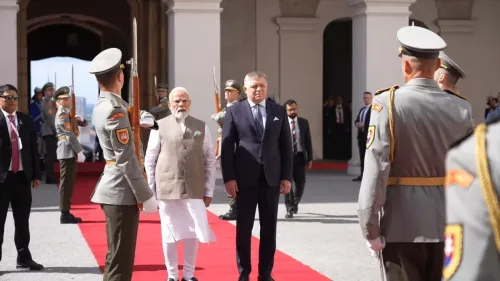
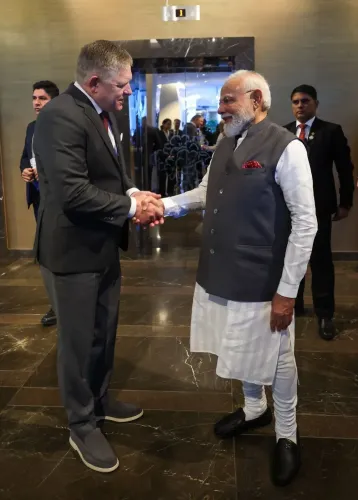
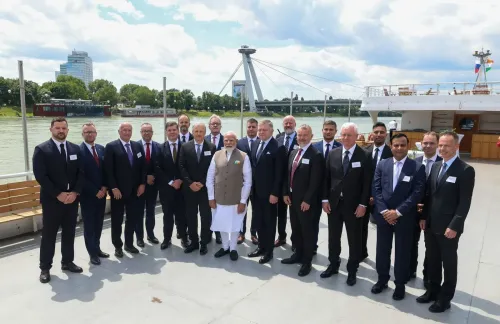
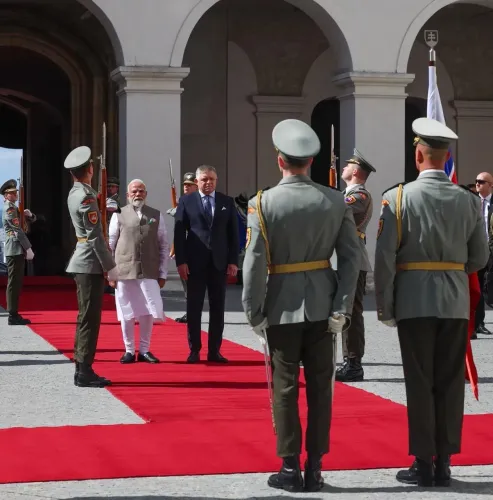
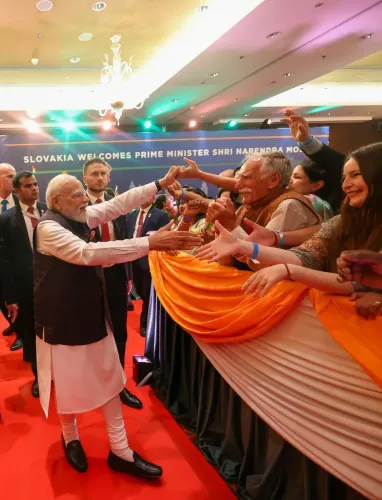
Prime Minister Narendra Modi on Monday, June 15, 2026, publicly celebrated a fresh milestone in India-Slovakia bilateral relations, describing the development as a 'win-win for India-Slovakia friendship' in a post on X.
Context
India and Slovakia have maintained diplomatic relations since 1993, when Bratislava established independent ties with New Delhi following the peaceful dissolution of Czechoslovakia. The relationship, while historically modest in scale, has grown steadily through agreements on double taxation avoidance, science and technology, and defence cooperation signed over the 2000s and 2010s. Prime Minister Modi's characterisation of the latest development as 'win-win' signals mutual benefit — a framing his government typically reserves for substantive agreements rather than ceremonial exchanges.
Policy Backdrop
Slovakia is a member of both the European Union and NATO, occupying a strategically significant position in Central Europe within the Visegrad Group alongside Poland, the Czech Republic and Hungary. India has in recent years deliberately deepened engagement with Central and Eastern European states as part of a broader strategy to diversify trade partnerships, attract high-technology investment and build supply-chain resilience beyond its traditional focus on Western Europe. New Delhi's engagement with Bratislava fits squarely within this pattern, complementing India's wider push for strategic autonomy and defence-industrial collaboration with European partners.
Stakeholders and Impact
Indian exporters and Slovak manufacturers stand to gain most directly from any deepening of bilateral economic ties, particularly in sectors such as automotive components, engineering goods and pharmaceuticals — areas where both economies have demonstrated comparative strengths. Broader gains could flow to Indian technology firms and Slovak research institutions if existing cooperation frameworks on science and technology are expanded. The framing of the engagement as a friendship milestone also carries diplomatic value, reinforcing India's image as a reliable partner across the full breadth of the EU.
What's Next
Observers will watch for follow-up announcements detailing specific trade figures, new memoranda of understanding or planned high-level reciprocal visits between New Delhi and Bratislava. Any concrete deliverables — investment commitments, joint venture announcements or expanded consular access — would give substance to the prime minister's 'win-win' framing. The development also sets the stage for potential coordination on multilateral platforms where both India and Slovakia hold active interests.
Point of View
Substantive gains rather than symbolic gestures. The post fits a clear pattern of India cultivating Central and Eastern European relationships as a hedge against over-reliance on any single bloc within the EU. For Slovakia, closer ties with the world's most populous country and a fast-growing major economy carry both economic and geopolitical value as Bratislava navigates its own strategic positioning within NATO and the EU. Taken together, the exchange suggests bilateral ties are moving beyond legacy MoUs toward a more active partnership phase.
NationPress
15 Sept 2026
Frequently Asked Questions
What is the current state of India-Slovakia relations?
India and Slovakia have maintained diplomatic relations since 1993 and have signed agreements on double taxation avoidance, science, technology and defence cooperation. PM Modi's June 2026 post signals a fresh positive development in the relationship.
Why did PM Modi call India-Slovakia ties a win-win?
PM Modi used the phrase 'win-win for India-Slovakia friendship' to indicate that both countries benefit mutually from the latest development, a framing his government typically reserves for substantive agreements or significant diplomatic milestones.
Is Slovakia a member of the EU and NATO?
Yes, Slovakia has been a member of both the European Union and NATO since 2004, making it a strategically important partner for India within Central Europe.
How does India's engagement with Slovakia fit its broader foreign policy?
India has been deepening ties with Central and Eastern European states, including Visegrad Group members, to diversify trade, attract investment and secure technology partnerships as part of a wider strategy of supply-chain resilience and strategic autonomy.
What could follow from PM Modi's India-Slovakia announcement?
Analysts expect potential follow-up announcements on specific trade figures, new memoranda of understanding, or planned high-level visits between New Delhi and Bratislava to give concrete shape to the bilateral milestone.