PM Modi Meets Slovak Business Leaders in Bratislava
Synopsis
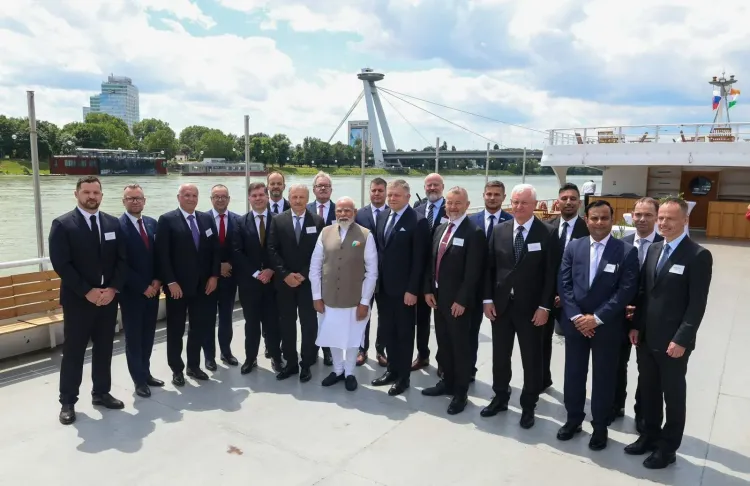
Prime Minister Narendra Modi met Slovak PM Robert Fico and prominent business leaders in Bratislava on 15 June 2026, discussing investment flows, manufacturing collaboration, and technology partnerships as India deepens economic ties with Central Europe.
Key Takeaways
PM Modi attended a business interaction in Bratislava hosted by Slovak PM Robert Fico on 15 June 2026 .
Discussions focused on strengthening economic ties, boosting investment flows, and expanding collaboration in innovation, technology, and manufacturing.
India and Slovakia have maintained diplomatic relations since 1993 following the dissolution of Czechoslovakia.
Slovakia 's strengths in automotive and engineering manufacturing complement India 's Make in India priorities.
The engagement fits India 's broader strategy of deepening commercial ties with Central and Eastern European EU member states.
Progress on the India-EU Broad-based Trade and Investment Agreement (BTIA) remains a key watch point following the visit.
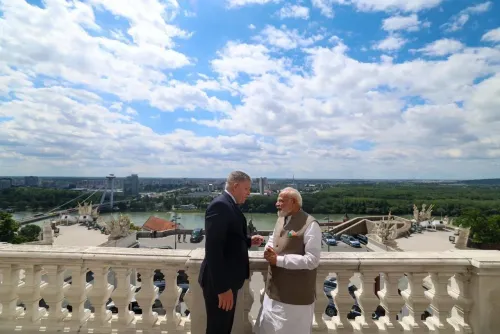
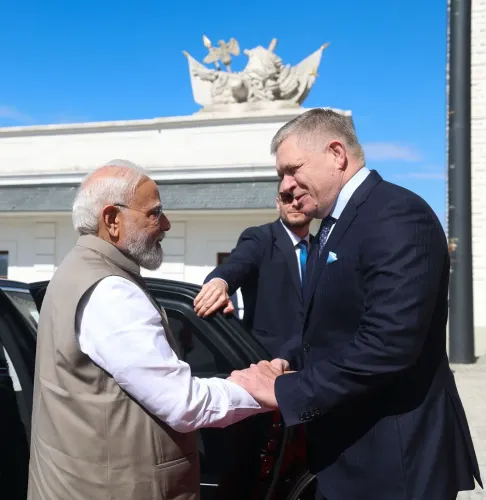
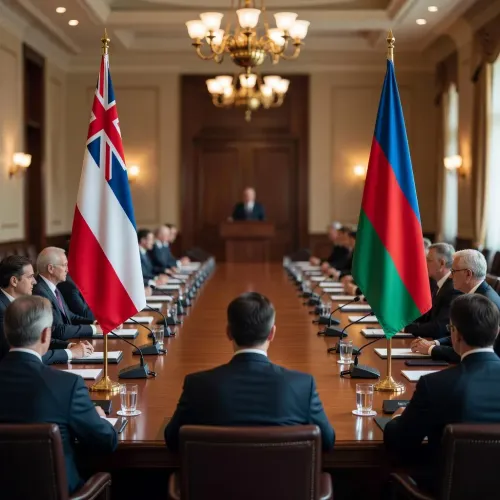
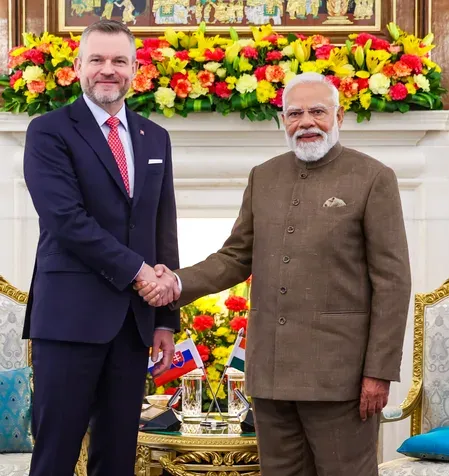
Prime Minister Narendra Modi on Monday, 15 June 2026, participated in a business interaction hosted by Slovak Prime Minister Robert Fico in Bratislava, engaging with prominent business leaders from Slovakia to explore deeper economic and commercial ties between the two nations.
Context
The meeting took place in Bratislava, the capital of Slovakia, as part of PM Modi's broader diplomatic engagement with Central and Eastern Europe. Prime Minister Robert Fico hosted the session, bringing together prominent Slovak business figures for direct dialogue with the Indian leadership. The interaction covered strengthening economic ties, boosting investment flows, and expanding collaboration in innovation, technology, and manufacturing.
India and Slovakia have maintained diplomatic relations since 1993, following the dissolution of Czechoslovakia. However, commercial engagement between the two countries has historically remained below its potential, making this high-level business interaction a significant step forward.
Policy Backdrop
Slovakia is a member of the European Union and holds considerable industrial strength in automotive engineering, advanced manufacturing, and technology sectors — areas that align closely with India's own priorities under the Make in India initiative launched in 2014. The initiative has sought to attract foreign direct investment and expand domestic manufacturing capacity across high-value sectors.
India has increasingly pursued commercial engagement with Visegrad countries — the group comprising Poland, Czech Republic, Slovakia, and Hungary — as part of a broader strategy to diversify supply chains and deepen ties with EU member states. This outreach runs parallel to ongoing negotiations on the India-EU Broad-based Trade and Investment Agreement (BTIA), which has seen renewed momentum in recent years.
Stakeholders and Impact
Slovak manufacturers, particularly in the automotive and engineering sectors, stand to benefit from closer ties with India's large and growing industrial base. For Indian businesses, Slovakia's position within the EU single market offers a potential gateway for technology partnerships and supply chain integration with European industry.
Technology investors and innovation-focused enterprises on both sides were among the key stakeholders represented in the Bratislava discussion. Collaboration in these domains could support India's ambitions to move up the value chain in global manufacturing and strengthen its position in emerging technology sectors.
What's Next
Attention will now turn to any concrete follow-up measures emerging from the Bratislava meeting, including potential investment commitments or technology cooperation agreements. Progress on the India-EU BTIA remains a key indicator of how bilateral commercial momentum translates into structured trade architecture.
The visit signals India's intent to build durable economic partnerships across Central Europe, and any formal outcomes from this engagement could set a template for similar outreach with other EU member states in the region.
Point of View
A region often overlooked in favour of Western Europe. Slovakia's industrial profile in automotive and advanced manufacturing makes it a natural partner for India's supply-chain diversification ambitions. The timing, alongside ongoing India-EU BTIA negotiations, suggests New Delhi is building bilateral commercial momentum to complement the broader multilateral trade framework. Concrete investment or technology MoUs from this visit, if they materialise, would mark a qualitative upgrade in what has historically been a thin bilateral relationship.
NationPress
20 Sept 2026
Frequently Asked Questions
Why did PM Modi visit Bratislava in June 2026?
PM Modi visited Bratislava as part of a diplomatic engagement with Slovakia , where he participated in a business interaction hosted by Slovak PM Robert Fico to discuss economic ties, investment, and technology collaboration.
What was discussed at the India-Slovakia business meeting?
The discussions covered strengthening economic ties, boosting investment flows, and expanding collaboration in innovation, technology, and manufacturing between India and Slovakia .
What are India's economic interests in Slovakia?
Slovakia 's strong automotive, engineering, and technology manufacturing base aligns with India 's Make in India priorities, making it a potential partner for supply-chain integration and technology partnerships within the EU single market.
How long have India and Slovakia had diplomatic relations?
India and Slovakia established formal diplomatic relations in 1993 following the dissolution of Czechoslovakia.
What is the India-EU BTIA and how does this visit relate to it?
The India-EU Broad-based Trade and Investment Agreement (BTIA) is a comprehensive trade deal under negotiation between India and the European Union . The Bratislava visit builds bilateral commercial momentum that could support progress on this broader trade framework.