Rijiju: India's youth need no validation from anti-India voices
Synopsis
Union Parliamentary Affairs Minister Kiren Rijiju, replying on X on May 23, 2026, said India's vast and energetic youth population can be genuine followers of the country's global narrative — and that India has no need to seek validation from what he termed the 'anti-India gang.'
Key Takeaways
Union Parliamentary Affairs Minister Kiren Rijiju posted a reply on X on May 23, 2026 .
He stated India has 'enough population and highly energetic youth' who can be 'genuine and valuable followers.' He said there is 'no need to seek validation from the anti India gang.' The remark reflects a recurring BJP government position rejecting external criticism of India as illegitimate or motivated.
Rijiju holds the portfolios of Parliamentary Affairs and Minority Affairs in the Union Cabinet.
Union Parliamentary Affairs Minister Kiren Rijiju on Saturday, May 23, 2026, replied to a post on X asserting that India possesses a large and energetic youth population that does not require approval or recognition from what he called the 'anti-India gang.' The remark, posted at 10:12 PM IST, was framed as a defence of India's self-sufficiency in building its global following.
Context
Rijiju's reply stated: 'India has enough population and highly energetic youth population who could be genuine and valuable followers! No need to seek validation from the anti India gang.' The post was a response to another user on X, though the content of the original post being replied to was not publicly specified in this instance. The tone reflects a broader pattern of senior BJP leaders pushing back against criticism originating from foreign commentators or diaspora voices perceived as hostile to the Indian government.
The phrase 'anti-India gang' is a term that has been used periodically by ruling-party leaders to describe individuals or groups — often based abroad or aligned with opposition narratives — whose commentary on Indian politics, governance, or human rights is viewed by the government as motivated or misleading.
Policy Backdrop
Kiren Rijiju, a senior BJP leader from Arunachal Pradesh, currently holds the portfolios of Union Minister of Parliamentary Affairs and Minister of Minority Affairs. He has previously served as Union Minister of Law and Justice and as Minister of State for Home Affairs, making him one of the more prominent voices within the cabinet on matters of national identity and institutional integrity.
The broader political context involves an ongoing tension between the Indian government and sections of international civil society, foreign legislators, and overseas Indian commentators who have raised concerns about democratic indicators, press freedom, or minority rights in India. The government has consistently rejected such assessments as externally motivated interference.
Stakeholders and Impact
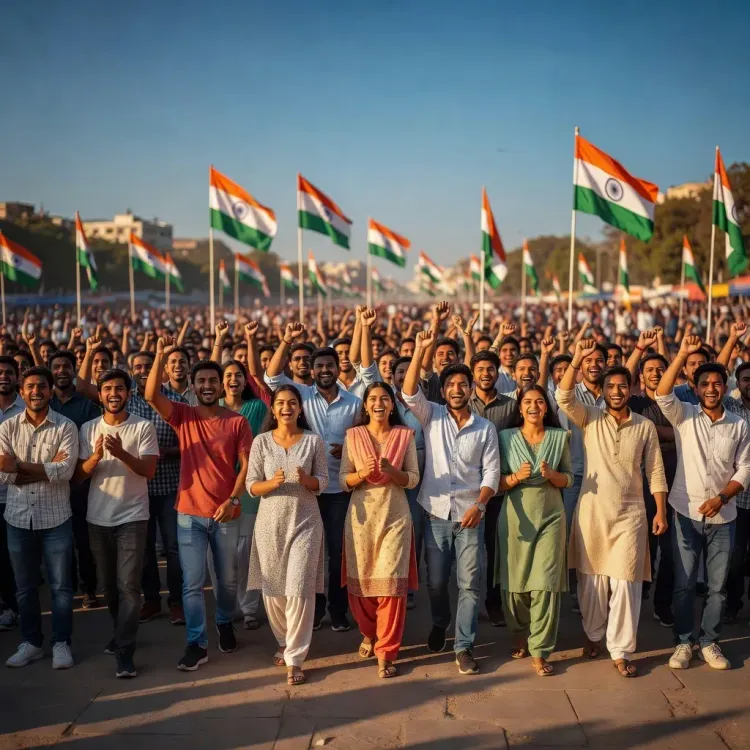
The post speaks directly to India's youth demographic, which at over 600 million people under the age of 25 represents one of the largest such cohorts in the world. Government messaging has increasingly sought to position this demographic as both an economic asset and a source of organic national pride, reducing reliance on external validation for India's global image.
The statement is also directed implicitly at public figures, influencers, and institutions that engage with or amplify criticism of India from abroad. By framing domestic youth as 'genuine and valuable followers,' Rijiju positions Indian voices as the legitimate arbiters of India's global narrative.
What's Next
The remark is unlikely to trigger formal policy action but signals the government's continued intent to shape the discourse around India's international image through direct social-media engagement by senior ministers. As India approaches a series of diplomatic and multilateral engagements in the coming months, the framing of 'self-reliant national narrative' — free from external validation — is expected to remain a recurring theme in ruling-party communication.
Point of View
He ties national self-confidence to a generational identity — a politically potent framing ahead of any international scrutiny. The choice of X as the arena, rather than a press statement, signals that this is as much about domestic audience mobilisation as it is about rebutting critics. The persistence of this messaging across senior cabinet ministers suggests it is a coordinated communication posture, not an isolated remark.
NationPress
20 Oct 2026
Frequently Asked Questions
What did Kiren Rijiju say about the anti-India gang?
Kiren Rijiju said India has a large and energetic youth population that can be genuine followers of India's narrative, and that there is no need to seek validation from the 'anti-India gang.'
Who is Kiren Rijiju?
Kiren Rijiju is a senior BJP leader from Arunachal Pradesh who currently serves as Union Minister of Parliamentary Affairs and Minister of Minority Affairs in the Indian cabinet.
What does 'anti-India gang' mean in Indian politics?
The term 'anti-India gang' is used by ruling-party leaders to refer to individuals or groups — often abroad or aligned with opposition narratives — whose criticism of Indian governance is viewed by the government as motivated or misleading.
When did Rijiju make this statement?
Rijiju posted the reply on X on Saturday, May 23, 2026, at approximately 10:12 PM IST.
Why is India's youth population relevant to this statement?
India has one of the world's largest youth populations, and government messaging increasingly positions this demographic as a source of organic national pride and a driver of India's global image without reliance on external validation.