Rijiju Pays Tribute to Dalai Lama's Healing Presence
Synopsis
Union Parliamentary Affairs and Minority Affairs Minister Kiren Rijiju on June 26, 2026, publicly praised the Dalai Lama's 'pure and magical radiance,' reflecting India's longstanding cultural diplomacy with Tibetan Buddhist communities while maintaining its formal diplomatic stance on Tibet.
Key Takeaways
Kiren Rijiju , Union Minister of Parliamentary Affairs and Minority Affairs, posted a personal tribute to the Dalai Lama on June 26, 2026 .
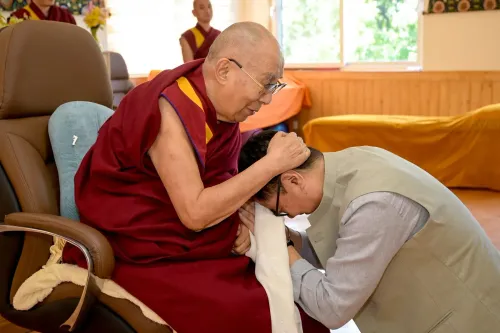
He described the spiritual leader as possessing a 'pure and magical radiance' capable of healing deep hurts through a gentle touch and affectionate blessings.
The Dalai Lama has lived in exile in Dharamshala, India , since 1959 , when India granted him asylum after he fled Chinese-controlled Tibet .
Rijiju , a BJP leader from Arunachal Pradesh , has a long public association with Tibetan Buddhist culture given his state's border with Tibet .
Such ministerial tributes reflect domestic cultural diplomacy and minority-affairs outreach without altering India's formal 'One China' position.
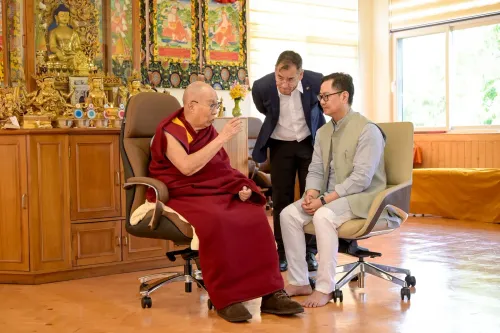
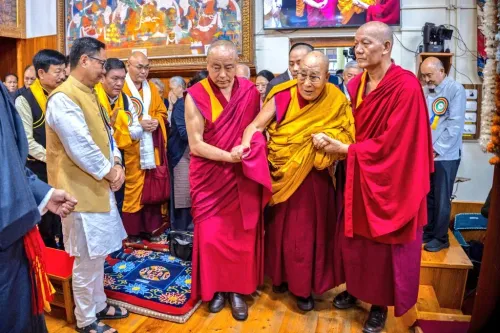
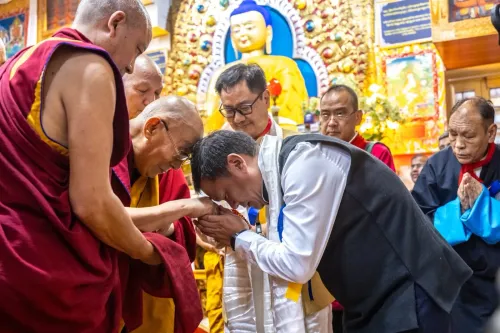
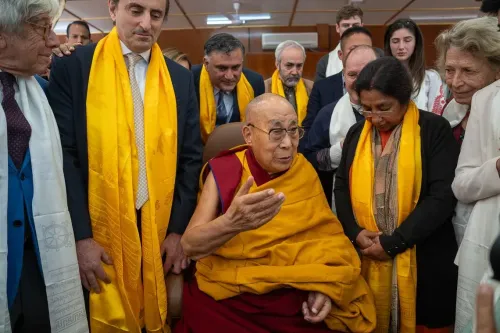
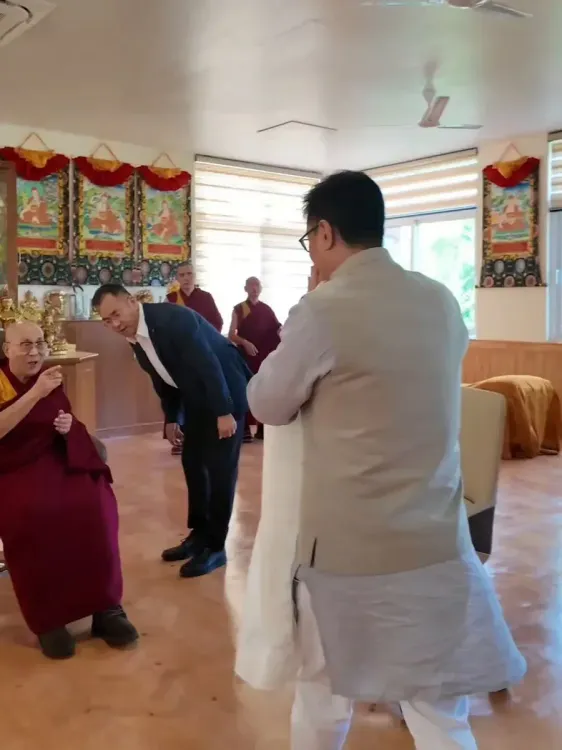
Union Parliamentary Affairs Minister Kiren Rijiju on Friday, June 26, 2026, paid a warm personal tribute to His Holiness the Dalai Lama, describing the Tibetan spiritual leader's presence as carrying a 'pure and magical radiance' capable of healing the deepest hurts.
Context
Posting on X, Rijiju wrote: 'His Holiness The Dalai Lama has that pure and magical radiance to mend the deepest of hurts with his very gentle touch and affectionate blessings.' The tribute, accompanied by five video clips, reflects the personal reverence many Indian leaders — particularly those from the country's northeastern states — hold for the Dharamshala-based spiritual leader.
Rijiju, a senior BJP leader from Arunachal Pradesh, has historically maintained a close public association with Tibetan Buddhist culture and the Dalai Lama's legacy. His state shares a long border with Tibet and is home to a significant Buddhist population.
Policy Backdrop
India granted asylum to His Holiness the Dalai Lama in 1959 after he fled Chinese-controlled Tibet, and the Tibetan government-in-exile has been headquartered in Dharamshala, Himachal Pradesh, ever since. Successive Indian governments have maintained a careful balance: publicly respecting the Dalai Lama as a religious figure while formally recognising Tibet as part of China.
Ministerial expressions of reverence for the Dalai Lama are a recurring feature of India's domestic cultural diplomacy. They signal solidarity with Tibetan Buddhist communities and minority-affairs outreach without constituting a formal shift in New Delhi's diplomatic posture toward Beijing.
Stakeholders and Impact
The tribute carries significance for India's estimated one lakh Tibetan exiles and the broader Buddhist community spread across Ladakh, Sikkim, Arunachal Pradesh, and Himachal Pradesh. For these communities, public affirmations by senior ministers reinforce the state's moral commitment to their cultural and spiritual identity.
As Minister of Minority Affairs, Rijiju's statement also carries institutional weight, signalling that the welfare of Buddhist minorities — including Tibetan refugees — remains within the government's field of attention. The post is likely to resonate widely among followers of Tibetan Buddhism globally.
What's Next
Observers will watch for any formal government engagement with the Tibetan community in the weeks ahead, including parliamentary references to Tibetan welfare schemes or statements from the Ministry of Minority Affairs. Discussions around the Dalai Lama's health and the long-term question of his succession continue to draw international attention, making ministerial gestures of this kind part of a broader diplomatic and cultural conversation that New Delhi navigates with care.
Point of View
Regional identity, and state policy. As a minister from Arunachal Pradesh — a state Beijing periodically contests — his public reverence for the Dalai Lama carries a quiet geopolitical undertone even when framed in purely spiritual language. The post fits a broader pattern in which the ruling dispensation uses cultural diplomacy to consolidate support among Buddhist minority communities without triggering a formal diplomatic incident with China. With succession discussions around the Dalai Lama gaining quiet urgency internationally, such ministerial affirmations also signal that New Delhi intends to keep its moral association with the institution intact.
NationPress
26 Jun 2026
Frequently Asked Questions
Why did Kiren Rijiju post a tribute to the Dalai Lama?
Rijiju posted a personal tribute on June 26, 2026, expressing reverence for the Dalai Lama's spiritual presence, describing it as a healing and affectionate force. No specific official event was cited in the post.
Where does the Dalai Lama live in India?
The Dalai Lama has lived in Dharamshala, Himachal Pradesh , since 1959 , when India granted him asylum after he fled Tibet following the Chinese takeover.
What is India's official position on Tibet?
India formally recognises Tibet as part of China while simultaneously hosting the Dalai Lama and the Tibetan government-in-exile, a balance successive governments have maintained since 1959.
What ministries does Kiren Rijiju head?
Kiren Rijiju serves as Union Minister of Parliamentary Affairs and Minister of Minority Affairs. He is a senior BJP leader from Arunachal Pradesh.
Does a minister praising the Dalai Lama affect India-China relations?
Such tributes are generally treated as cultural or personal expressions and do not constitute a formal policy shift. India has long managed public respect for the Dalai Lama alongside its diplomatic relationship with Beijing.