Rijiju represents PM Modi at Bhutan's 108 Stupas ceremony
Synopsis
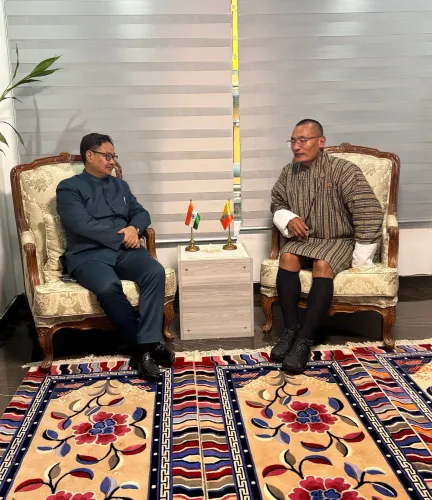
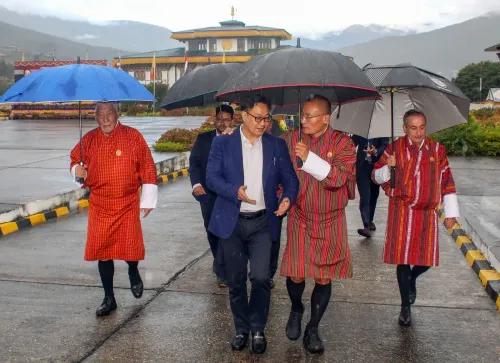
Union Parliamentary Affairs Minister Kiren Rijiju represented PM Narendra Modi at the consecration of 108 Stupas in Bhutan, an initiative of King Jigme Khesar. Bhutanese PM Tobgay and his Cabinet gave Rijiju a personal airport farewell at Gelephu, underlining the exceptional warmth in India-Bhutan bilateral ties.
Key Takeaways
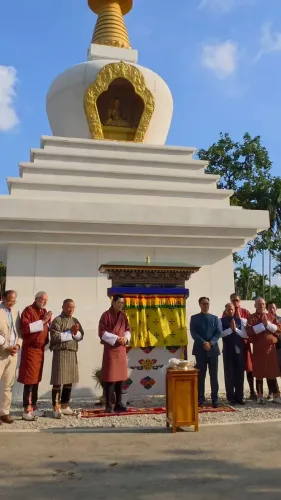
Kiren Rijiju represented PM Narendra Modi at the raising of 108 Stupas (Jangchub Chortens) in Bhutan on November 2, 2026 .
The stupa project was conceived by His Majesty King Jigme Khesar Namgyel Wangchuck of Bhutan and carries deep Buddhist significance.
Bhutanese PM Tshering Tobgay and his full Cabinet personally came to Gelephu airport to see Rijiju off — an unusual diplomatic courtesy for a visiting minister.
The visit reflects India's 'Neighbourhood First' policy, under which Bhutan was PM Modi's first foreign destination back in 2014 .
Gelephu is a strategically significant southern Bhutanese town near the Indian border, important for cross-border connectivity with Assam .
The India-Bhutan Friendship Treaty , revised in 2007 , underpins a relationship spanning security, hydropower, and cultural cooperation.
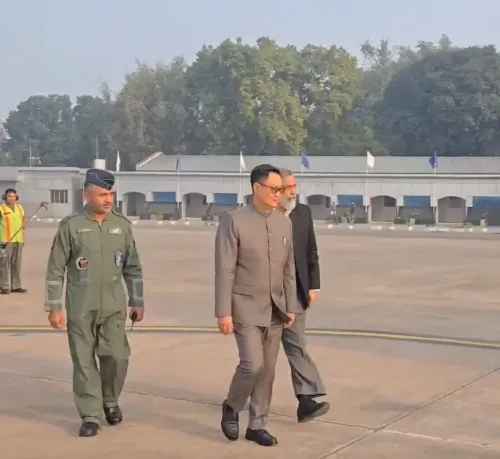
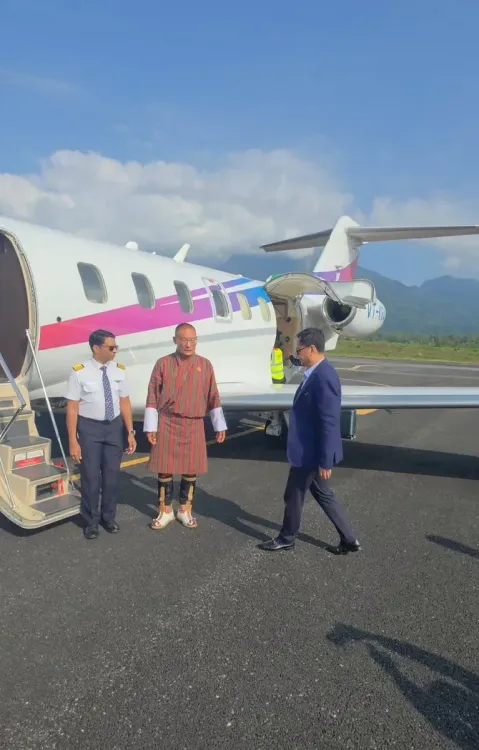
A send-off by a prime minister and his full Cabinet at an airport is a rare diplomatic courtesy — and that is exactly what greeted Union Parliamentary Affairs Minister Kiren Rijiju as he departed Gelephu, Bhutan, on Monday, November 2, 2026, after representing Prime Minister Narendra Modi at one of the Himalayan kingdom's most significant spiritual events in recent memory.
Rijiju expressed his 'utmost gratitude' to Bhutanese Prime Minister H.E. Dasho Tshering Tobgay, who personally came to Gelephu airport alongside Cabinet colleagues to see him off — a gesture that underlines the warmth at the heart of the India-Bhutan relationship. The occasion: the grand ceremony marking the raising of 108 Stupas, formally known as Jangchub Chortens, an initiative conceived by His Majesty King Jigme Khesar Namgyel Wangchuck of Bhutan.
Modi's 'Neighbourhood First' in full ceremony
India's decision to send a senior Cabinet minister to represent the Prime Minister at a religious-cultural event is consistent with the 'Neighbourhood First' doctrine that has defined New Delhi's foreign policy posture since 2014, when Modi made Bhutan the destination of his very first foreign trip as Prime Minister. The symbolic weight of that choice — out of every capital in the world — has set the tone for over a decade of high-frequency, high-warmth bilateral engagement.
The 108 Stupas project, conceived by Bhutan's King, carries deep Buddhist significance: 108 is a sacred number across the tradition, representing completeness and spiritual protection. An Indian ministerial presence at the consecration signals that New Delhi views Bhutan's cultural milestones as shared ones — not merely diplomatic appointments to attend.
Why Gelephu matters beyond ceremony
Gelephu is more than a small southern Bhutanese town near the Indian border. It sits at a critical junction for cross-border connectivity between Assam and Bhutan, and its emergence as a site for high-level diplomatic farewells points to its growing strategic and logistical importance. Rijiju, himself from Arunachal Pradesh, brings a particular regional resonance to engagements along India's northeastern frontier — a corridor where geography, diplomacy, and security interests converge sharply.
The India-Bhutan Friendship Treaty, originally signed in 1949 and revised in 2007, underpins a relationship that covers security cooperation, hydropower, trade, and people-to-people links. Events like the 108 Stupas ceremony are where that formal architecture finds its human, cultural expression.
Tobgay's Cabinet farewell — reading the signal
Prime Minister Tshering Tobgay, who has made deepening economic and strategic ties with India a pillar of his leadership, chose to extend a full-Cabinet farewell to the Indian delegation. Diplomatic protocol watchers will note: a head-of-government airport send-off for a visiting minister, not a visiting head of state, is a pointed statement of esteem. It reflects both personal warmth and the institutional depth of a relationship that few bilateral partnerships in South Asia can match.
As India watches its northeastern neighbourhood with growing strategic attention, moments like this — a stupa raised, a minister representing a prime minister, a Cabinet at an airport tarmac — are the quiet architecture of regional trust being laid, stone by stone.
Point of View
Not merely a smaller neighbour. PM Tobgay's full-Cabinet airport farewell is an equally deliberate reciprocal signal, suggesting Bhutan values India's symbolic participation at the highest protocol level. For Rijiju, a northeastern politician, this engagement also reinforces New Delhi's stake in the cultural and strategic geography of India's Himalayan frontier. Together, these gestures confirm that the India-Bhutan relationship is managed with a rare blend of institutional seriousness and personal warmth that insulates it from the friction that marks many of India's other neighbourhood ties.
NationPress
2 Nov 2026
Frequently Asked Questions
Why did Kiren Rijiju visit Bhutan in November 2026?
Rijiju visited Bhutan to represent Prime Minister Narendra Modi at the grand ceremony for the raising of 108 Stupas (Jangchub Chortens), a spiritual initiative conceived by the King of Bhutan.
What are the 108 Stupas in Bhutan?
The 108 Stupas, or Jangchub Chortens, are a royal initiative of King Jigme Khesar Namgyel Wangchuck of Bhutan. The number 108 holds deep significance in Buddhist tradition, representing completeness and spiritual merit.
Who is Tshering Tobgay?
Tshering Tobgay is the Prime Minister of Bhutan, known for his focus on deepening economic and strategic cooperation with India and for maintaining close people-to-people ties between the two countries.
What is India's Neighbourhood First policy and Bhutan's role in it?
India's Neighbourhood First policy prioritises relations with immediate neighbours. Bhutan holds a special place: PM Modi made it his first foreign destination in 2014, and the two countries are bound by the India-Bhutan Friendship Treaty revised in 2007.
Why is Gelephu important for India-Bhutan relations?
Gelephu is a southern Bhutanese town near the Indian state of Assam, serving as a key point for cross-border connectivity and trade. Its use as a site for high-level diplomatic farewells also signals its growing strategic importance.