Rijiju shares PM Modi's address at India-Japan Economic Forum
Synopsis
Union Parliamentary Affairs Minister Kiren Rijiju on 2 July 2026 shared PM Modi's live address at the India-Japan Joint Economic Forum in New Delhi, spotlighting a key bilateral engagement under India's Act East Policy and the long-standing India-Japan Strategic and Global Partnership framework.
Key Takeaways
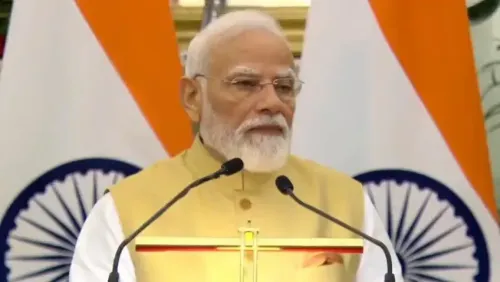
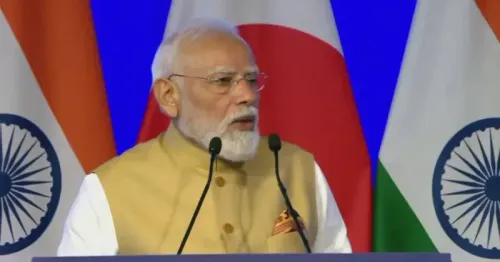
Kiren Rijiju shared the live broadcast of PM Modi addressing the India-Japan Joint Economic Forum in New Delhi on 2 July 2026 .
The forum is a structured bilateral platform for trade, investment, and supply-chain discussions between India and Japan.
India and Japan's Comprehensive Economic Partnership Agreement has been in force since August 2011 , covering over 90 per cent of trade lines.
Annual India-Japan summits have been institutionalised since 2006 under the Strategic and Global Partnership framework.
The engagement aligns with India's Act East Policy and efforts to diversify Indo-Pacific supply chains.
Follow-up investment commitments or working-group outcomes are expected at subsequent summits or ministerial visits.
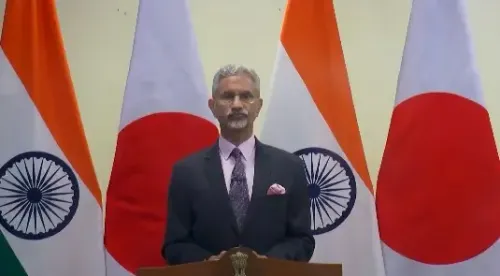
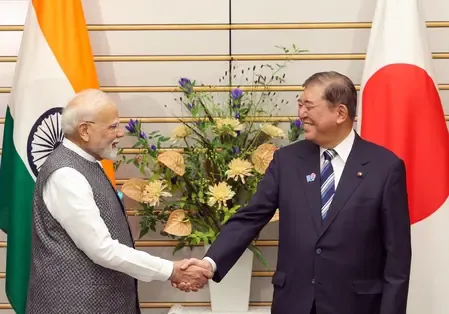
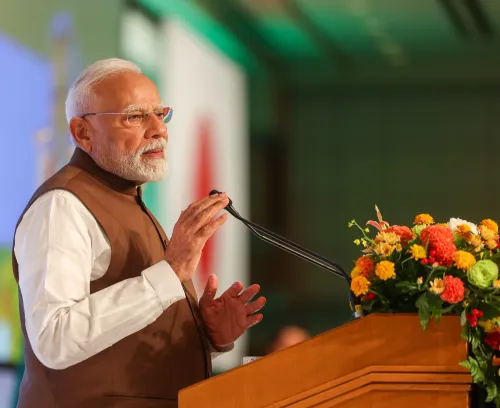
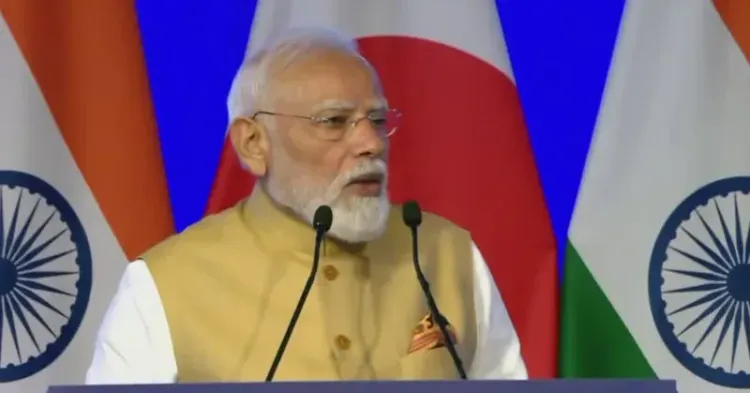
Union Parliamentary Affairs Minister Kiren Rijiju on Thursday, 2 July 2026, shared a live broadcast of Prime Minister Narendra Modi addressing the India-Japan Joint Economic Forum in New Delhi, drawing public attention to the high-level bilateral engagement.
Context
The India-Japan Joint Economic Forum serves as a structured platform where business leaders and government officials from both nations deliberate on trade, investment, and supply-chain cooperation. PM Modi addressed the forum as the keynote voice of the Indian government, signalling the strategic weight New Delhi places on the bilateral economic relationship.
Minister Rijiju amplified the address via his official X account with the tag #WatchLive, directing followers to the live broadcast — a routine practice among senior ministers to ensure wider reach for significant diplomatic events.
Policy Backdrop
India and Japan formalised their economic ties through the Comprehensive Economic Partnership Agreement (CEPA), which entered into force in August 2011, covering tariff reductions on more than 90 per cent of trade lines. Annual summits between the two countries were institutionalised in 2006 under the Strategic and Global Partnership framework, making the relationship one of India's most structured bilateral engagements.
The forum fits into India's broader Act East Policy, which prioritises deepening ties with Indo-Pacific partners, including efforts to diversify manufacturing and supply chains. Japan remains one of India's largest sources of foreign direct investment, with significant commitments in infrastructure, clean energy, and advanced manufacturing.
High-level addresses at joint economic forums have historically preceded or accompanied announcements on investment facilitation, technology transfer, and project pipelines under frameworks such as the India-Japan Industrial Competitiveness Partnership.
Stakeholders and Impact
Indian manufacturers, infrastructure developers, and technology firms stand to benefit from any investment or cooperation commitments that emerge from the forum. Japanese corporations exploring supply-chain diversification in the Indo-Pacific increasingly view India as a preferred destination, given its large domestic market and improving ease-of-doing-business metrics.
For the broader Indian public, the forum represents a tangible expression of the government's push to attract high-quality foreign capital and technology partnerships that support domestic job creation and industrial upgrading.
What's Next
Follow-up announcements on new investment commitments or working-group outcomes are typically expected at the next annual India-Japan summit or during planned ministerial visits in the months that follow such forums. Observers will watch for specific project approvals, sector-level partnerships, or joint statements that translate the forum's deliberations into actionable policy outcomes.
Point of View
Amplified by a senior cabinet minister, underscores how New Delhi is using high-visibility bilateral platforms to signal policy continuity and investment openness to a key Indo-Pacific partner. Japan occupies a distinct lane in India's foreign economic strategy — long-term, infrastructure-heavy, and anchored in a formal CEPA — making forum-level engagement more consequential than routine diplomatic optics. Rijiju's decision to broadcast the address live reflects the government's deliberate effort to build domestic awareness around economic diplomacy. The pattern suggests any outcomes from this forum will be positioned as proof points for the Act East Policy's tangible dividends.
NationPress
2 Jul 2026
Frequently Asked Questions
What is the India-Japan Joint Economic Forum?
The India-Japan Joint Economic Forum is a bilateral platform where business and government leaders from India and Japan discuss trade, investment facilitation, technology transfer, and supply-chain cooperation.
Why did Kiren Rijiju share PM Modi's address on X?
Minister Rijiju shared the live broadcast to amplify the event's reach among the Indian public, a common practice among senior ministers during significant diplomatic or economic engagements.
What is the India-Japan Comprehensive Economic Partnership Agreement?
The India-Japan CEPA entered into force in August 2011 and provides tariff reductions on more than 90 per cent of bilateral trade lines, forming the legal backbone of the two countries' economic relationship.
What is India's Act East Policy?
India's Act East Policy prioritises deepening strategic, economic, and cultural ties with Indo-Pacific nations, with Japan being one of its most important partners for investment and infrastructure development.
What outcomes are expected after the India-Japan Joint Economic Forum?
Follow-up announcements on investment commitments, technology partnerships, or working-group outcomes are typically expected at the next annual India-Japan summit or during planned ministerial visits later in the year.