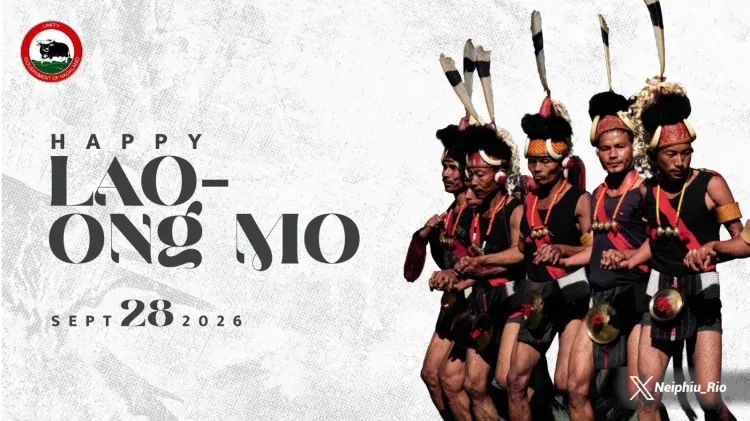
CM Rio greets Konyak community on Lao-Ong Mo harvest festival
Synopsis
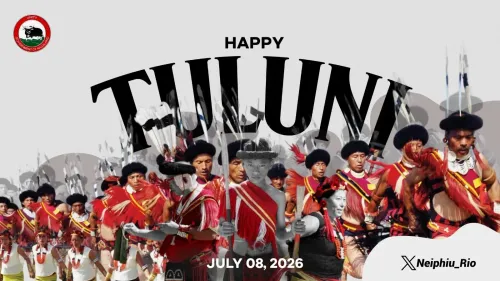
Nagaland Chief Minister Neiphiu Rio greeted the Konyak community on Lao-Ong Mo, a harvest thanksgiving festival, on 27 September 2026, wishing every family happiness, prosperity, and new beginnings as the agricultural season concludes.
Key Takeaways
Nagaland CM Neiphiu Rio posted harvest festival greetings on 27 September 2026 .
Lao-Ong Mo is a harvest thanksgiving festival observed by the Konyak tribe of Nagaland.
The Konyak community is primarily based in Mon district , Nagaland's northernmost region.
Rio's message wished every family 'happiness, prosperity, and new beginnings.' The greeting reflects a consistent practice of state leadership publicly honouring Nagaland's multi-tribal festival calendar.
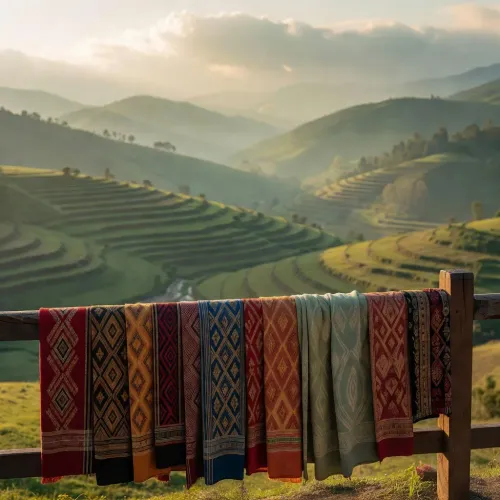
As the paddy fields of Nagaland's hills yield their seasonal bounty, Nagaland Chief Minister Neiphiu Rio extended warm greetings to the Konyak community on the occasion of Lao-Ong Mo, a harvest thanksgiving festival that marks the close of another agricultural season.
In his message posted on Sunday, 27 September 2026, the Chief Minister wrote: 'May this festival of thanksgiving bring happiness, prosperity, and new beginnings to every family.' The message acknowledged the toil of the season — the hard work of farming communities that sustains both livelihoods and cultural identity across Nagaland's rugged terrain.
Lao-Ong Mo: the Konyak harvest of gratitude
Lao-Ong Mo is observed by the Konyak, one of Nagaland's most storied Naga tribes, primarily inhabiting the Mon district in the state's far north. Like similar agrarian festivals across Nagaland's sixteen-plus tribal communities, it marks the gathering of the harvest — a moment of collective relief, community bonding, and thanksgiving for a season's yield. The festival carries deep cultural weight, weaving together the tribe's relationship with the land, ancestral traditions, and communal celebration.
Rio's pattern of honouring Nagaland's tribal calendar
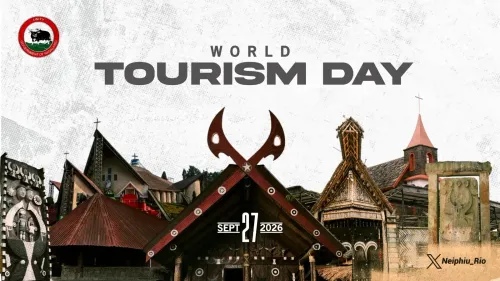
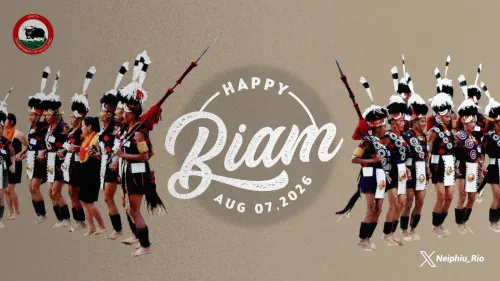
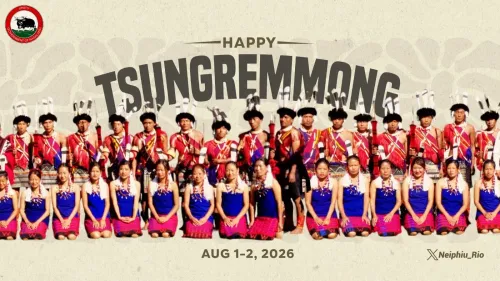
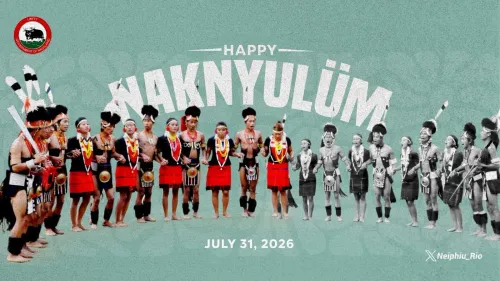
Chief Minister Rio has consistently issued public greetings across Nagaland's diverse tribal festival calendar — a practice that reflects both political visibility across communities and a genuine acknowledgement of the state's rich cultural mosaic. Nagaland is home to multiple Naga tribes, each with its own distinct agricultural observances, dialects, and customs. By recognising festivals like Lao-Ong Mo publicly, the state's leadership signals institutional respect for traditions that have been the backbone of Nagaland's social fabric for generations.
The gesture carries particular resonance in a state where tribal identity is deeply intertwined with political and civic life, and where cultural preservation remains a live conversation alongside development and peace-building efforts.
Point of View
These gestures are rarely purely ceremonial — they signal institutional recognition of cultural identity. For the Konyak, one of Nagaland's largest and most geographically distinct tribes, such recognition from the Chief Minister carries symbolic currency. The practice also sits within a broader state effort to document and celebrate Nagaland's intangible cultural heritage at a time when modernisation pressures weigh on traditional agrarian lifestyles.
NationPress
27 Sept 2026
Frequently Asked Questions
What is Lao-Ong Mo festival?
Lao-Ong Mo is a harvest thanksgiving festival celebrated by the Konyak tribe of Nagaland, marking the end of the agricultural season with gratitude and community celebration.
Who are the Konyak people of Nagaland?
The Konyak are one of the major Naga tribes of Nagaland, primarily inhabiting the Mon district in the state's northern region, known for their distinct cultural traditions and agricultural heritage.
Why did CM Neiphiu Rio greet the Konyak community?
Chief Minister Neiphiu Rio extended greetings on the occasion of Lao-Ong Mo on 27 September 2026, a practice he follows across Nagaland's diverse tribal festivals to acknowledge tribal traditions and community identity.
Which district do the Konyak tribe live in?
The Konyak tribe primarily inhabits Mon district in northern Nagaland, bordering Myanmar.
What is the significance of harvest festivals in Nagaland?
Harvest festivals in Nagaland hold deep cultural, social, and spiritual significance for each tribe, marking the end of the farming season, celebrating community bonds, and preserving ancestral customs tied to the land.