Did the RS pass the Sabka Bima Sabki Raksha Bill?

Synopsis
On December 17, the Rajya Sabha intensely debated the Sabka Bima Sabki Raksha Bill, proposing to increase FDI in the insurance sector to 100%. This legislation aims for 'Insurance for All by 2047' and includes significant reforms to modernize the industry. What does this mean for policyholders and the future of insurance in India?
Key Takeaways
FDI Increase: The bill raises FDI in insurance to 100%.
Policyholder Protection: Emphasis on enhancing protections for policyholders.
Modernization Goals: Aims for 'Insurance for All by 2047.' Opposition Concerns: Critics warn of foreign control and risks to domestic insurers.
Growth Metrics: Significant growth in the insurance sector since 2014.
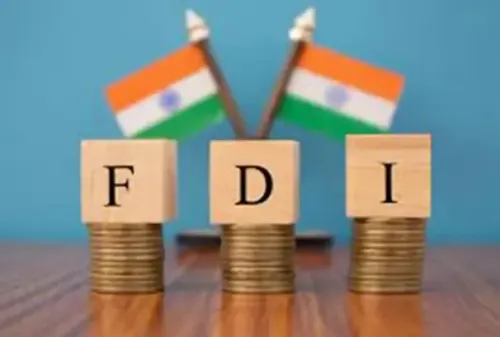
New Delhi, Dec 17 (NationPress) The Rajya Sabha engaged in a vigorous debate regarding the Sabka Bima Sabki Raksha (Amendment of Insurance Laws) Bill, 2025, which aims to increase foreign direct investment (FDI) in the insurance sector from 74 percent to 100 percent. This legislation is part of broader reforms intended to modernize the industry and work towards the goal of 'Insurance for All by 2047'.
The Lok Sabha had already passed this Bill on December 16, amending the Insurance Act of 1938, the Life Insurance Corporation Act of 1956, and the Insurance Regulatory and Development Authority Act of 1999.
The objectives of the Bill include improving the ease of doing business, attracting foreign capital, enhancing policyholder protection, and increasing market penetration.
Union Finance Minister Nirmala Sitharaman defended the proposed legislation, underscoring the government's commitment to strengthening public sector insurers.
She explained that the Bill intends to stimulate growth in the insurance sector and ensure better protection for policyholders. Notably, she mentioned the Rs 17,450 crore infusion into three public sector non-life companies, which resulted in record profits for LIC, GIC, and Agriculture Insurance Company of India Limited (AICIL) last year.
Sitharaman presented data on sectoral growth since 2014: the number of insurers rose from 53 to 74; penetration increased from 3.3 percent to nearly 3.8 percent; density grew from $55 to $97 per person; total premiums surged from Rs 4.15 lakh crore to Rs 11.93 lakh crore; and assets under management tripled to Rs 74.43 lakh crore.
The progressive increase in FDI limits—from 26 percent to 49 percent, then to 74 percent—has allowed foreign reinsurer branches to thrive and enhanced local capacities.
The introduction of 100 percent FDI for intermediaries in 2019 has improved advisory services. She applauded the 56th GST Council's decision to lower GST on individual life and health premiums from 18 percent to zero to increase affordability.
The 'Aapki Punji, Aapka Adhikar' campaign successfully returned over Rs 1,000 crore in unclaimed amounts through district camps, supported by the Bima Bharosa portal to assist with claims.
Sitharaman called upon MPs to promote public awareness and assured that all insurers would have mandatory obligations to serve rural and underprivileged communities.
She also mentioned that penalties would rise from Rs 1 crore to Rs 10 crore, with the proceeds funding policyholder education. Furthermore, she ensured there would be a premium cap, preventing private players from solely managing government schemes as they do in crop insurance.
However, opposition members vehemently criticized the Bill.
DMK MP Dr Kanimozhi NVN Somu raised concerns that foreign boards could control premiums, potentially facilitating black money inflows and undermining state autonomy.
She argued that it disadvantages cooperative insurers and hampers public sector entities like LIC, quipping, 'This is not Sabka Bima, but Sabka Bakwas.'
Trinamool Congress MP Saket Gokhale framed insurance as a means of social security, prioritizing policyholders over shareholders, and accused the Bill of favoring capital without accountability.
He questioned the urgency of its introduction.
Critics demanded a referral to a select committee, citing concerns about data privacy, profit repatriation, and national sovereignty.
While supporters believe that 100 percent FDI will bring expertise and affordable products, opponents fear it could lead to foreign dominance.
The debate highlights the challenge of balancing liberalization with domestic protection in a sector crucial for millions.
Point of View
It is crucial to recognize the implications of the Sabka Bima Sabki Raksha Bill. While the push for increased FDI is a step towards modernization, it raises essential questions about the balance between foreign investment and the protection of domestic insurers. The government's focus on policyholder rights and rural obligations is commendable, but vigilance is necessary to ensure that the reforms serve the broader public interest.
NationPress
14 Sept 2026
Frequently Asked Questions
What does the Sabka Bima Sabki Raksha Bill aim to achieve?
The bill aims to increase foreign direct investment in the insurance sector to 100%, modernizing the industry and promoting 'Insurance for All by 2047.'
What are the key amendments in the bill?
The bill amends several insurance laws, including the Insurance Act of 1938 and the Life Insurance Corporation Act of 1956, to enhance ease of doing business and policyholder protection.
What concerns did the opposition raise?
Opposition members expressed fears of foreign control over premiums, potential black money inflows, and the disadvantages to cooperative and public sector insurers.
How has the insurance sector performed recently?
Since 2014, the insurance sector has seen growth in the number of insurers, penetration rates, and total premiums, aided by progressive FDI increases.
What initiatives support policyholders in India?
The 'Aapki Punji, Aapka Adhikar' campaign and the Bima Bharosa portal are initiatives aimed at facilitating claims and returning unclaimed amounts to policyholders.