Is There a Surge in Rural Demand in India Reflecting Broad-Based Growth?
Synopsis
As rural demand in India rises, particularly in two-wheeler sales, the country's $4.2 trillion economy is set to thrive. A NABARD survey reveals significant income growth among rural households. This article delves into the implications for investment and economic equity in India, promising opportunities for Singaporean companies.
Key Takeaways
Rural demand in India is increasing significantly.
42.2% of rural households saw income growth in 2025.
80% of households reported higher consumption.
Foreign investments are poised to rise in India.
The trend indicates a shift towards greater economic equality.
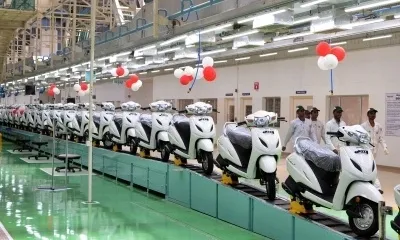
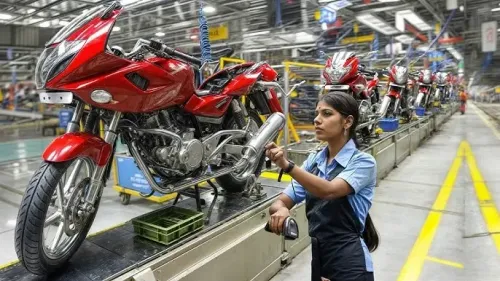
New Delhi, Jan 12 (NationPress) The uptick in rural demand in India, evident from the notable rise in two-wheeler sales, is promising for India’s $4.2 trillion economy, which surpassed Japan in 2025 to become the world’s fourth-largest economy, according to various media reports.
An article published in Singapore’s The Straits Times references a survey by the National Bank for Agriculture and Rural Development (NABARD), which revealed that 42.2% of rural households reported an increase in their incomes in 2025, with around 80% of households indicating higher consumption.
Additionally, a recent survey of 30 CEOs conducted by Business Standard found that over 80% of them plan to invest or expand their capacities in 2026.
The data highlights that the growth in rural demand indicates that economic benefits are reaching a wider demographic in a society that is often marked by stark inequalities in wealth and purchasing power.
This improvement in purchasing capacity is particularly uplifting for a nation that faced numerous challenges in 2025, including significant job losses in sectors like jewelry, garments, and marine due to tariffs imposed by the Trump administration, the article states.
“Concerns have been raised by the International Monetary Fund and some economists regarding the reliability of Indian data. However, the tangible evidence emerging now is compelling - even from afar - and it is essential for Singaporeans to take note of this growth hub, especially amidst the challenges faced by major regional economies like Indonesia and Thailand, as well as ongoing issues in China,” the article explains.
The prospects of widespread growth in India bode well for companies from Singapore, including DBS Bank, Sembcorp, Singtel, and CapitaLand, all of which have a strong presence in the Indian market, whether directly or through significant investments in key Indian firms.
Moreover, the Indian market has emerged as the top-performing portfolio for Singapore’s investment firm Temasek over the last decade, as noted in the article.
Point of View
The surge in rural demand reflects a significant shift in economic dynamics in India. This growth is not just a statistic; it represents an important step towards greater economic inclusivity in a historically unequal society. The implications for investors and businesses are profound, and it's essential for stakeholders to remain engaged with these developments.
NationPress
9 Oct 2026
Frequently Asked Questions
What evidence supports the growth in rural demand in India?
Recent surveys, including one by NABARD, indicate that 42.2% of rural households reported income growth in 2025, with 80% indicating increased consumption.
How does this rural demand impact the economy?
The rise in rural demand is a positive sign for India's economy, suggesting that growth is extending beyond the affluent, which can lead to more balanced economic development.
What implications does this have for foreign investments?
The increased rural demand creates opportunities for foreign companies, especially those from Singapore, to invest and expand operations in India.
Why is the data from the International Monetary Fund important?
Concerns about the reliability of Indian economic data were raised, but the current evidence of growth is significant and cannot be overlooked.
Which sectors are benefiting from this rural growth?
Sectors like two-wheelers, agriculture, and consumer goods are likely to see increased demand due to the rise in rural purchasing power.