Sabarimala ghee scam: Minister seeks SIT probe into blacklisted firm contract

Synopsis
A sitting Kerala minister has written to the Home Department alleging a possible high-level conspiracy behind a blacklisted firm securing the Sabarimala ghee contract — a supply directly tied to the temple's sacred offerings. With a High Court-monitored probe already running, the demand for a parallel SIT signals that the political fallout from this scam is far from over.
Key Takeaways
Kerala Devaswom Minister K.
Muraleedharan wrote to Home Minister Ramesh Chennithala on Wednesday seeking a wider probe into the Sabarimala ghee scam .
A Devaswom Vigilance SP and Devaswom Secretary inquiry reportedly uncovered 'shocking irregularities' in the ghee procurement deal.
A blacklisted company allegedly secured the contract to supply ghee used in Sabarimala's sacred offerings.
A Kerala High Court -monitored Vigilance inquiry is already under way; Muraleedharan seeks a separate SIT to cover aspects outside its scope.
The minister has hinted at a possible high-level conspiracy involving those responsible for the procurement process.
The Travancore Devaswom Board's internal safeguards for blacklisting enforcement are now under scrutiny.
Kerala Devaswom Minister K. Muraleedharan on Wednesday wrote to Home Minister Ramesh Chennithala demanding a wider investigation into alleged irregularities in the procurement and supply of ghee at Sabarimala, raising pointed questions about how a blacklisted company managed to secure a contract for the sacred temple's offerings and hinting at a possible high-level conspiracy.
What the Minister's Letter Reveals
According to Muraleedharan, an inquiry conducted by the Devaswom Vigilance SP and the Devaswom Secretary had already unearthed what he described as 'shocking irregularities' in the ghee deal. He urged the Home Department to entrust aspects of the case not covered by the existing probe to a Special Investigation Team (SIT), while ensuring no overlap with the ongoing High Court-monitored Vigilance inquiry.
The minister specifically flagged the circumstances under which a firm that had already been blacklisted was awarded the contract, suggesting the decision could not be viewed in isolation and may point to a larger conspiracy among those responsible for the procurement process.
Why the Sabarimala Ghee Contract Matters
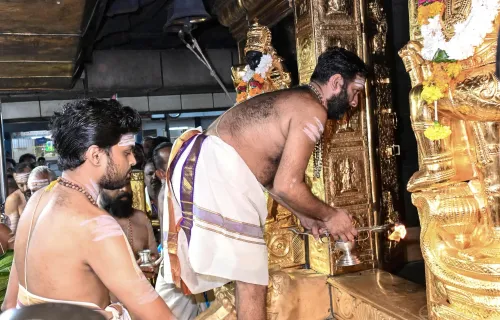
The ghee procured under this contract is used directly in the preparation of Sabarimala's sacred offerings — the famed Aravana Payasam and related prasadam — making any irregularity in its sourcing, quality, or distribution far more consequential than a routine contractual dispute. For millions of devotees, the sanctity of these offerings is non-negotiable, which is why the alleged compromise of procurement safeguards has drawn both political and public outrage.
This comes amid a broader pattern of scrutiny over the Travancore Devaswom Board's contracting practices, with critics arguing that internal checks have repeatedly failed to prevent irregularities in temple-related tenders.
The Ongoing High Court-Monitored Probe
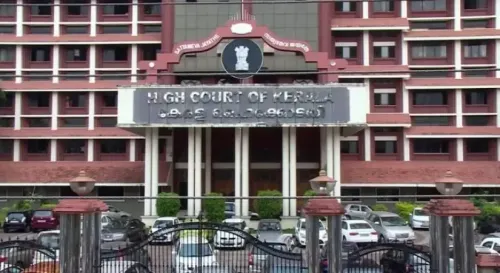
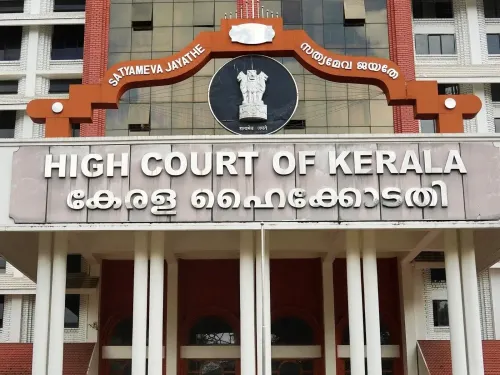
A special Vigilance team is already examining the ghee transaction following a direction from the Kerala High Court. Muraleedharan's demand for a parallel SIT probe is designed to cover angles that reportedly fall outside the current inquiry's scope — particularly questions around who approved the blacklisted firm's participation and whether officials deliberately bypassed existing safeguards.
Notably, the minister's intervention signals that the political establishment is no longer content to let the Vigilance inquiry run its course without additional accountability mechanisms.
Political and Administrative Fallout
With a sitting minister publicly raising the possibility of a high-level conspiracy, the focus is now expected to shift sharply to the decision-makers within the Travancore Devaswom Board — specifically, who cleared the blacklisted company's eligibility, at what level the approval was granted, and whether any oversight body was bypassed in the process.
The demand is likely to intensify political pressure on the Kerala government to act swiftly, particularly given the religious sensitivity attached to Sabarimala and the millions of pilgrims who visit the shrine each season.
What Comes Next
The Home Department is now expected to respond to Muraleedharan's letter, determining whether an SIT will be constituted and, if so, its terms of reference. Any new probe will need to be carefully calibrated to avoid conflicting with the High Court-monitored Vigilance investigation already under way. The outcome will be closely watched by religious bodies, opposition parties, and devotee groups alike.
Point of View
One of India's most-visited pilgrimage sites, points to a systemic failure in the Travancore Devaswom Board's vendor management, not a one-off lapse. The High Court-monitored inquiry may have forced the issue into the open, but the minister's letter suggests insiders believe the Vigilance probe is not going far enough — or not in the right direction. Whether the Home Department acts, and how quickly, will reveal how serious the political will is to pursue accountability over damage control.
NationPress
26 Sept 2026
Frequently Asked Questions
What is the Sabarimala ghee scam?
The Sabarimala ghee scam refers to alleged irregularities in the procurement and supply of ghee used for sacred offerings at the Sabarimala temple in Kerala. A company that had reportedly been blacklisted is alleged to have secured the supply contract, raising questions about how internal safeguards were bypassed.
Why has Kerala Devaswom Minister K. Muraleedharan sought a wider probe?
Muraleedharan wrote to Home Minister Ramesh Chennithala after a Devaswom Vigilance inquiry reportedly uncovered 'shocking irregularities' in the ghee deal. He believes a Special Investigation Team is needed to examine aspects — including the possibility of a high-level conspiracy — that fall outside the scope of the existing High Court-monitored Vigilance probe.
Is there already an investigation into the Sabarimala ghee scam?
Yes. A special Vigilance team is already probing the matter following a direction from the Kerala High Court. The minister's demand is for a separate, parallel SIT to cover areas not addressed by the ongoing inquiry, with no overlap between the two.
Why is the ghee contract at Sabarimala particularly sensitive?
The ghee is used directly in the preparation of Sabarimala's sacred offerings, including the revered Aravana Payasam. Any compromise in the sourcing or quality of this ingredient carries religious implications for the millions of devotees who visit the shrine each pilgrimage season.
Who is being held accountable in the Sabarimala ghee scam?
Scrutiny is focused on the Travancore Devaswom Board, the body responsible for managing the Sabarimala temple. Investigators and the minister are seeking to determine who approved the blacklisted firm's participation, at what level the clearance was granted, and whether officials knowingly bypassed existing procurement safeguards.