MP Vikramjit Singh Sahney to build 5,000 drug-free Punjab youth ambassadors
Synopsis
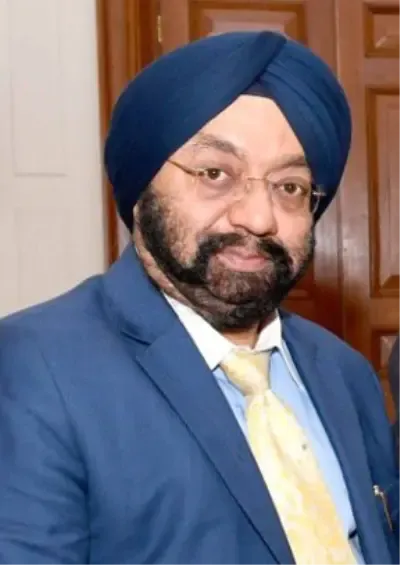
Rajya Sabha MP Vikramjit Singh Sahney is building a 5,000-strong youth ambassador network to fight Punjab's drug crisis at the grassroots — combining community awareness, referrals to 10 rehabilitation centres, and vocational skilling for recovering individuals. With over 1,000 already rehabilitated, the programme is one of the largest volunteer-driven anti-drug mobilisations in the state's recent history.
Key Takeaways
Rajya Sabha MP Vikramjit Singh Sahney announced plans on 17 November 2026 to establish over 5,000 drug-free Punjab youth ambassadors .
Ambassadors will operate at the grassroots, raising awareness and connecting individuals to 10 rehabilitation centres across Punjab, including in Mohali, Amritsar, Jalandhar, Bathinda and Moga .
The programme has already helped over 1,000 individuals overcome drug addiction through existing rehabilitation facilities.
Beneficiaries receive vocational training in fields such as electrician work, mobile repair, stitching, chef training and beauty and wellness for long-term livelihood support.
Outstanding ambassadors will receive recognition and an opportunity to visit Parliament in New Delhi .
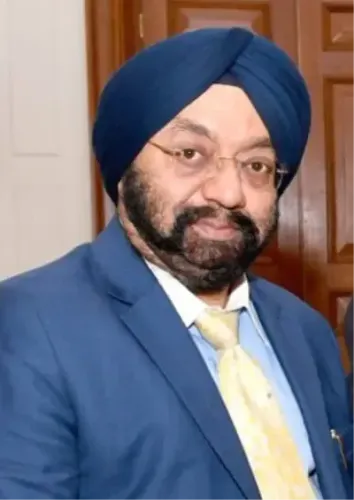
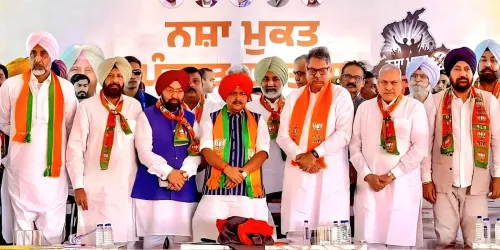
Rajya Sabha Member of Parliament Vikramjit Singh Sahney on Tuesday, 17 November 2026, announced plans to establish a network of over 5,000 drug-free Punjab youth ambassadors who will lead community-level awareness campaigns against substance abuse across the state. The initiative aims to transform young people into active participants in Punjab's ongoing de-addiction movement.
What the Ambassador Network Will Do
The youth ambassadors will operate at the grassroots level, educating communities about the physical, psychological, and social consequences of drug addiction. Crucially, they will also serve as a bridge — identifying individuals struggling with substance abuse and connecting them to 10 rehabilitation centres already operational across Punjab, including facilities in Mohali, Amritsar, Jalandhar, Bathinda, Moga, and other districts.
According to the announcement, the initiative has already facilitated recovery for over 1,000 individuals through these rehabilitation centres — a figure that underscores the programme's early impact even before the full ambassador network is in place.
Beyond De-Addiction: Skilling and Livelihood Support
The programme goes beyond medical recovery. Beneficiaries at the rehabilitation centres receive vocational training across a range of fields, including electrician work, mobile phone repair, stitching, chef training, beauty and wellness, and football. The objective, according to Sahney, is to help recovering individuals rebuild financial independence and reintegrate into mainstream society with dignity.
Rehabilitation centres also provide yoga, meditation, gym training, and sports facilities, recognising that holistic mental and physical wellbeing is central to long-term recovery. This integrated model — combining awareness, clinical de-addiction, skilling, and community reintegration — reflects a shift from enforcement-only approaches that critics have long argued are insufficient on their own.
Incentives for Outstanding Ambassadors
Sahney announced that youth ambassadors who demonstrate exceptional commitment and successfully refer individuals to rehabilitation facilities will receive special recognition. Notably, top-performing ambassadors will be given an opportunity to visit Parliament in New Delhi — a symbolic gesture designed to elevate the social standing of youth workers fighting drug abuse at the community level.
What Sahney Said
Emphasising the need for collective action, Sahney said, 'Punjab's fight against drugs cannot be won through enforcement alone. We must empower our youth to become part of the solution and serve as the collective conscience of Punjab, ensuring that no one is left behind. Our commitment to de-addiction is also a relentless commitment to securing a future where Punjab's next generation leads healthy, dignified lives with meaningful livelihoods.'
Context: Punjab's Drug Crisis
Punjab has long grappled with one of India's most severe drug abuse crises, with opioid and synthetic drug dependency cutting across socioeconomic groups. Community-based models have gained traction in policy circles as supplementary — not replacement — mechanisms to law enforcement. This initiative, led by a sitting MP, signals increased parliamentary-level attention to grassroots rehabilitation infrastructure. The scale of the ambassador network — 5,000 individuals — would make it one of the largest volunteer-based anti-drug mobilisations in the state's recent history.
The coming months will test whether the ambition translates into coordinated ground-level implementation across Punjab's diverse districts.
Point of View
000-strong volunteer network is only as effective as the referral pathways and rehabilitation capacity behind it. The 1,000-rehabilitated figure is encouraging but modest against the state's documented addiction burden. What distinguishes this initiative — if implemented as described — is the livelihood component: skilling recovering individuals is a proven reducer of relapse, yet it is routinely underfunded in state programmes. Parliamentary visibility and incentive-linked recognition for ambassadors are smart motivational levers, but the accountability framework for tracking outcomes remains unspecified.
NationPress
17 Nov 2026
Frequently Asked Questions
What are the drug-free Punjab youth ambassadors announced by MP Sahney?
They are a planned network of over 5,000 young volunteers who will conduct community-level awareness campaigns against drug abuse and connect individuals struggling with addiction to rehabilitation centres across Punjab. The initiative was announced by Rajya Sabha MP Vikramjit Singh Sahney on 17 November 2026.
How many rehabilitation centres are part of this programme?
There are 10 rehabilitation centres already established and managed across Punjab, with facilities in Mohali, Amritsar, Jalandhar, Bathinda, Moga, and other districts. These centres have reportedly helped over 1,000 individuals overcome drug addiction so far.
What vocational training do beneficiaries receive?
Recovering individuals at the rehabilitation centres receive skill-based training in fields including electrician work, mobile phone repair, stitching, chef training, beauty and wellness, and football. The aim is to build financial independence and support reintegration into mainstream society.
What incentives will the youth ambassadors receive?
Ambassadors who show exceptional commitment and successfully refer individuals to rehabilitation facilities will be specially honoured. Top-performing ambassadors will also be given an opportunity to visit Parliament in New Delhi as recognition of their social contribution.
Why is Punjab's drug problem significant?
Punjab has long faced one of India's most severe drug abuse crises, with opioid and synthetic drug dependency affecting communities across socioeconomic groups. Community-based approaches like this ambassador network are increasingly seen as essential complements to law enforcement, which alone has not resolved the crisis.