Quad Manila Summit outcomes show breadth of agenda, Indo-Pacific focus: Misri
Synopsis
The Manila Quad Summit wasn't just symbolic — it produced a first-ever Business Forum, an expanded cable resilience pact covering undersea energy links, and a new maritime surveillance collaboration with its first drill set for Guam in March 2027. India has offered to host the Business Forum in early 2027, marking a concrete economic pivot for the grouping.
Key Takeaways
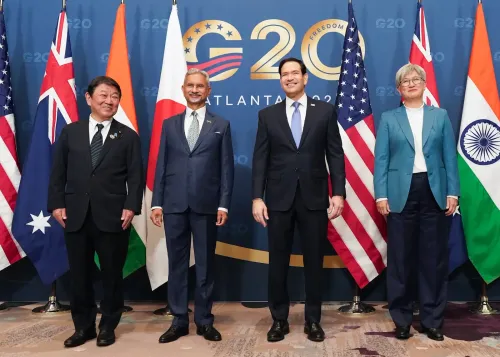
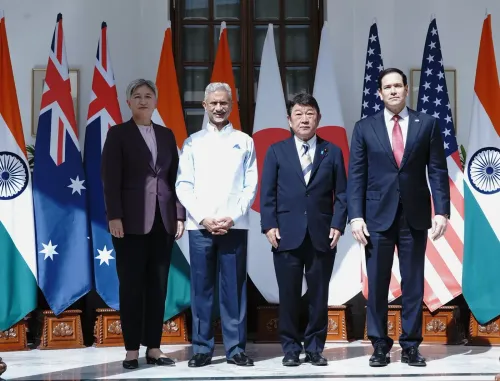
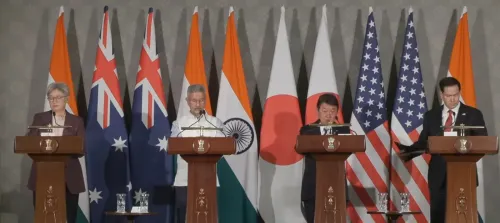
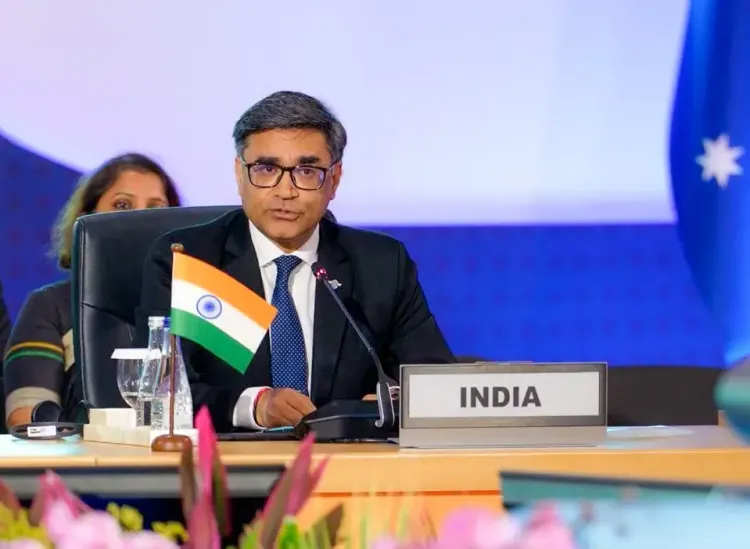
Foreign Secretary Vikram Misri briefed media on the Quad Leaders' Summit outcomes in Manila on 17 November 2026 .
The first exercise under the Indo-Pacific Maritime Surveillance Collaboration will be held at Exercise Sea Dragon in Guam in March 2027 .
The Quad cable connectivity partnership will expand from telecom cables to undersea energy cables .
Quad leaders agreed to launch a Quad Business Forum for the first time; India offered to host it in Q1 2027 .
Leaders unequivocally condemned terrorism , including cross-border terrorism, and opposed unilateral actions to change the status quo by force.
PM Modi emphasised the global need for peace, stability, and predictability amid rising geopolitical tensions.
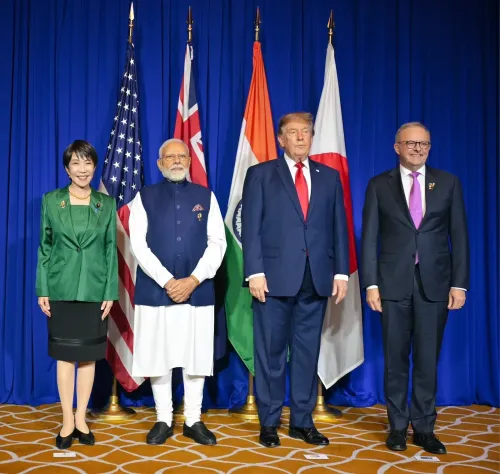
Foreign Secretary Vikram Misri on 17 November 2026 said the outcomes of the Quad Leaders' Summit in Manila demonstrate the breadth of the Quad agenda, with a clear emphasis on delivering tangible public goods for people across the Indo-Pacific. Briefing the media after the summit, Misri described the meeting as 'very substantive, forward-looking, practical and pragmatic.'
Key Outcomes from Manila
Misri highlighted several concrete deliverables from the summit. The first exercise under the newly announced Indo-Pacific Maritime Surveillance Collaboration will be conducted on the sidelines of Exercise Sea Dragon in Guam in March 2027. The initiative is designed to advance maritime domain awareness among Quad nations and tackle shared challenges such as illegal fishing and trafficking.
The Quad partnership for cable connectivity and resilience — previously focused on the safety of telecommunication cables — will now be expanded to cover undersea energy cables as well. Additionally, cyber cooperation between the four Quad countries will be enhanced to address the growing scale of cyber incidents globally.
Business Forum and India's Hosting Offer
In a significant first, the Quad leaders agreed to launch a dedicated Quad Business Forum. Prime Minister Narendra Modi announced during the meeting that India was keen to host the inaugural edition in the first quarter of 2027. The move signals an intent to deepen economic and private-sector linkages within the grouping beyond its traditional security and connectivity focus.
What PM Modi Stressed
Misri noted that across all three summits held in Manila, Modi underlined that in a world marked by significant geopolitical tension, flux, and stress, what the international community genuinely needs today is peace, stability, and predictability. Following the summit, Modi posted on X: 'Today's meeting has given fresh momentum to our shared vision for a free, open, peaceful and prosperous Indo-Pacific, with concrete goals for the next phase of our cooperation.'
Terrorism Condemnation and Status Quo Stance
The Quad leaders issued a strong collective statement unequivocally condemning terrorism and violent extremism in all its forms and manifestations, including cross-border terrorism. They also strongly opposed any destabilising or unilateral actions that seek to change the status quo, including by force or coercion — language widely read as directed at assertive behaviour in the South China Sea and beyond.
The Manila summit reinforces the Quad's evolution from a loose strategic dialogue into a platform delivering measurable outcomes; the next test will be whether the Business Forum, maritime surveillance exercises, and cable resilience initiatives translate into durable regional infrastructure on the ground.
Point of View
Timelines, and now a business track. The inaugural Business Forum hosted by India in early 2027 is worth watching closely: it will reveal whether the Quad can mobilise private capital for Indo-Pacific infrastructure or remains a government-to-government signalling exercise. The expansion of cable resilience to undersea energy cables is also underappreciated — in an era where both data and energy transit are strategic vulnerabilities, that is a meaningful escalation in scope. The terrorism condemnation language, particularly the cross-border terrorism clause, carries unmistakable India-specific salience, and its unanimous adoption by all four partners is a diplomatic win for New Delhi that mainstream coverage tends to gloss over.
NationPress
17 Nov 2026
Frequently Asked Questions
What were the main outcomes of the Quad Leaders' Summit in Manila?
The Manila Quad Summit produced several concrete outcomes including the launch of an Indo-Pacific Maritime Surveillance Collaboration, an expansion of the cable resilience partnership to undersea energy cables, enhanced cyber cooperation, and the creation of a first-ever Quad Business Forum. India offered to host the Business Forum in the first quarter of 2027.
What is the Indo-Pacific Maritime Surveillance Collaboration announced at Manila?
It is a new Quad initiative to advance maritime domain awareness and address shared challenges such as illegal fishing and trafficking. The first exercise under the collaboration will be held on the sidelines of Exercise Sea Dragon in Guam in March 2027.
Why is the Quad Business Forum significant?
It is the first time the Quad has agreed to establish a dedicated business forum, signalling a move to deepen private-sector and economic ties within the grouping beyond its traditional security focus. India has offered to host the inaugural edition in early 2027.
What did the Quad leaders say on terrorism at the Manila summit?
The Quad leaders unequivocally condemned terrorism and violent extremism in all its forms, including cross-border terrorism. They also strongly opposed destabilising or unilateral actions that seek to change the status quo by force or coercion.
What did PM Modi say at the Quad Manila Summit?
PM Modi underlined that the world needs peace, stability, and predictability amid rising geopolitical tension and flux. He also announced India's interest in hosting the first Quad Business Forum in the first quarter of 2027, and posted on X that the meeting gave 'fresh momentum' to the vision of a free, open, peaceful and prosperous Indo-Pacific.