CM Saini Hails Modi's Mann Ki Baat on Heritage, Security
Synopsis
Haryana CM Nayab Singh Saini on 27 September 2026 amplified PM Modi's Mann Ki Baat broadcast, which spanned Surgical Strike resolve, Census participation, Ashok Singhal's legacy, Gujarat heritage sites, Swachh Bharat, women's empowerment, and the Viksit Bharat vision for 2047.
Key Takeaways
PM Modi's Mann Ki Baat on 27 September 2026 covered at least ten distinct national themes, per CM Saini's account.
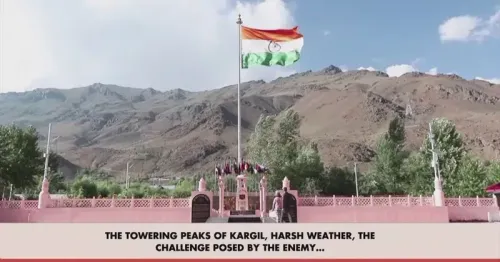
The 2016 Surgical Strike across the Line of Control was cited as a symbol of national resolve during the broadcast.
Ashok Singhal's contribution to the Ram Janmabhoomi movement was highlighted as a cultural milestone.
Heritage sites Somnath and Modhera were spotlighted alongside cleanliness, environment, and drug-free India campaigns.
CM Saini framed the episode explicitly within the Viksit Bharat roadmap targeting a developed India by 2047 .
Mann Ki Baat has been a monthly Prime Ministerial radio platform since October 2014 .
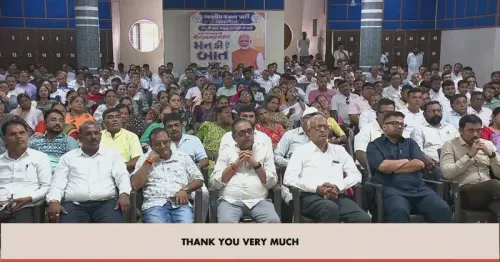
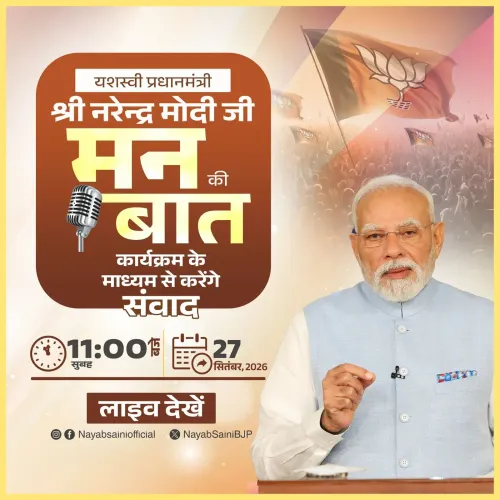
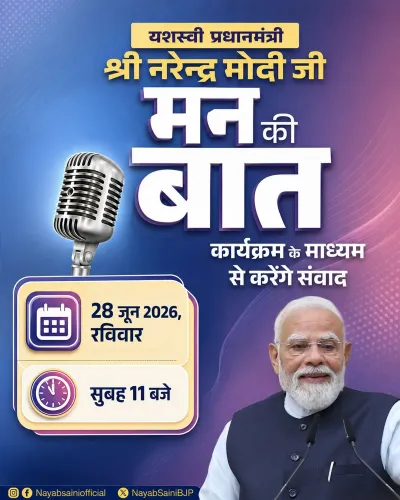
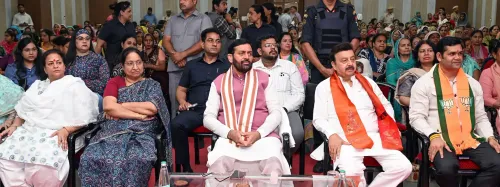
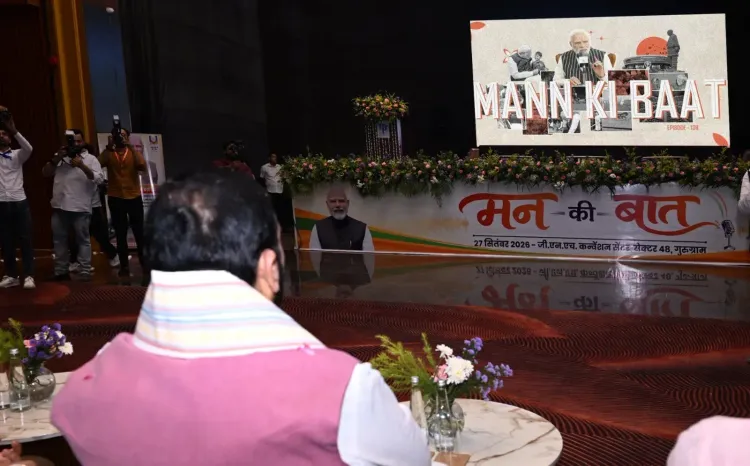
From surgical-strike resolve to the stone corridors of Somnath and Modhera, Prime Minister Narendra Modi used the latest edition of Mann Ki Baat to stitch together a sweeping portrait of national duty — and Haryana Chief Minister Nayab Singh Saini made sure Haryana heard every word, amplifying the broadcast on Sunday, 27 September 2026.
What PM Modi covered in the broadcast
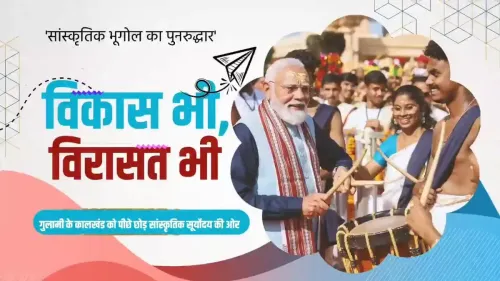
In his post, CM Saini described the Prime Minister touching on an unusually wide canvas: the tenacity symbolised by the 2016 Surgical Strike across the Line of Control, the civic duty of participation in the upcoming Census, and the legacy of veteran RSS leader Ashok Singhal, who drove the Ram Janmabhoomi movement until his passing in 2015. Heritage sites — the ancient Somnath temple in Gujarat and the 11th-century Modhera Sun Temple — were invoked as living proof of civilisational continuity.
The Prime Minister also wove in the social-policy threads that have defined his administration's domestic agenda: cleanliness under the Swachh Bharat Mission, environmental protection, a drug-free India, nurturing sporting talent, women's empowerment, promotion of local products, and nutrition. The breadth, Saini argued, reflects the 'diverse strength and possibilities' of the country.
Mann Ki Baat as a recurring national platform
Mann Ki Baat has aired monthly since October 2014, giving Prime Minister Modi a direct, unmediated channel to 140 crore citizens over All India Radio and its digital streams. Over more than a decade on air, the programme has consistently woven together cultural heritage, security milestones and grassroots campaigns — episodes that individually feel ceremonial but cumulatively build a coherent national narrative. This edition, by Saini's account, followed that template faithfully.
CM Saini's Viksit Bharat frame
Saini closed his post with an explicit ideological anchor: 'Respect for heritage, protection of nature, opportunities for talent, and participation of society — these collective efforts further strengthen the direction of Viksit Bharat [Developed India].' The Viksit Bharat vision targets a fully developed India by 2047, the centenary of independence, integrating economic ambition with social and cultural goals. By echoing the Prime Minister's broadcast in those terms, Saini signals that state governments are expected to carry the message beyond the radio wave and into local governance conversations.
For Haryana — a state with a strong military recruitment tradition and a deepening focus on sports infrastructure — themes like surgical-strike pride and sporting talent carry particular resonance on the ground.
Point of View
Saini reinforces BJP's vertical message discipline from the Centre to Haryana. The deliberate invocation of Viksit Bharat in the closing line signals that the 2047 development framework is now the standard rhetorical container for everything from heritage pride to Census mobilisation. Watch whether Haryana announces any follow-up initiatives — on heritage tourism at sites comparable to Somnath, or Swachhata drives — in the days ahead.
NationPress
27 Sept 2026
Frequently Asked Questions
What is Mann Ki Baat and when did it start?
Mann Ki Baat is a monthly radio address by Prime Minister Narendra Modi that has aired on All India Radio since October 2014, allowing the PM to speak directly to citizens on national themes.
What topics did PM Modi cover in Mann Ki Baat on 27 September 2026?
According to CM Nayab Singh Saini's post, PM Modi discussed the Surgical Strike's resolve, Census participation, Ashok Singhal's legacy, Somnath and Modhera heritage, Swachh Bharat, environment protection, drug-free India, sports talent, women's empowerment, local products, and nutrition.
Who was Ashok Singhal and why was he mentioned in Mann Ki Baat?
Ashok Singhal was a veteran RSS leader centrally associated with the Ram Janmabhoomi movement; he passed away in 2015 and is remembered as a key figure in India's Hindu nationalist cultural revival.
What is Viksit Bharat and what is its target year?
Viksit Bharat is the central government's vision for transforming India into a fully developed nation by 2047, the centenary of independence, combining economic growth with social and cultural goals.
Why did Haryana CM Nayab Singh Saini share a reaction to Mann Ki Baat?
CM Saini amplified the broadcast to align Haryana with the Centre's national messaging, framing themes like surgical-strike resolve and heritage pride within the Viksit Bharat roadmap relevant to his state.