CM Saini Unveils Morni Natural Farming Push, FPO-MDH Africa Tie-Up
Synopsis
Haryana Chief Minister Nayab Singh Saini announced six FPO MoUs at a Morni outreach, including a tie-up with MDH to open Tanzania and Kenya markets for state farmers. He committed a 10 percent premium on natural farm produce, loss compensation for adopters, and a push for ginger, turmeric and chilli in the Panchkula hills.
Key Takeaways
Six FPOs signed MoUs with various institutions during the Morni outreach event in Panchkula.
An agreement with spice major MDH aims to open farming and agri-business avenues in Tanzania, Kenya and other African countries.
The Morni belt will be promoted for ginger, turmeric, chilli and other spice crops.
Farmers adopting natural farming will receive 10 percent above the market price for produce.
The state has assured loss compensation for cultivators transitioning to natural farming.
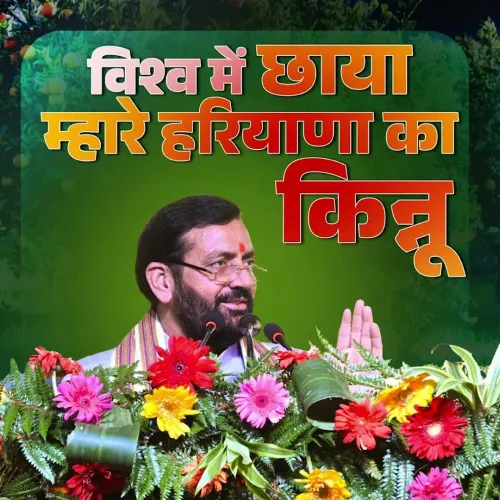
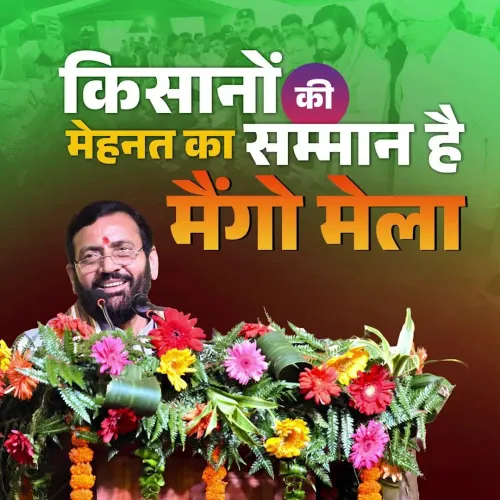
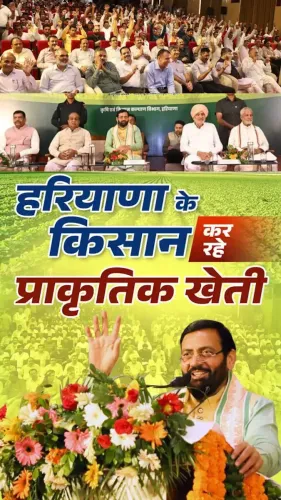
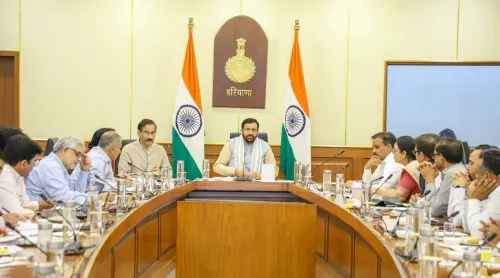
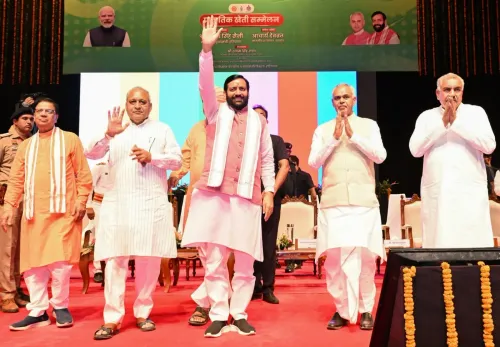
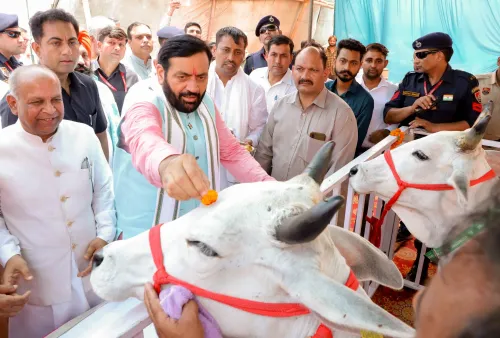
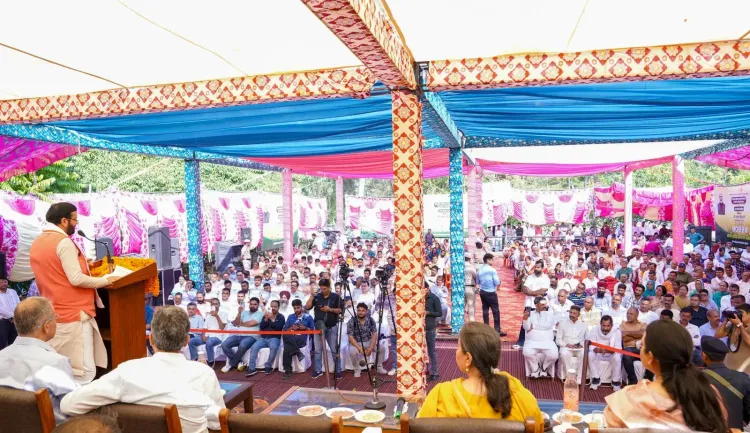
Haryana Chief Minister Nayab Singh Saini on Wednesday announced a clutch of measures to scale up natural farming in Morni, the hilly belt of Panchkula district, anchored by six Farmer Producer Organisation (FPO) agreements and a state assurance of premium pricing for chemical-free produce. Speaking at a farmer-outreach event, Saini said one of the new tie-ups, signed with spice major MDH, would open agri-business avenues for Haryana growers in Tanzania, Kenya and other African markets.
Context
The Chief Minister said six FPOs inked memoranda of understanding with various institutions during the Morni event. In his post, Saini wrote that the MDH agreement would help Haryana farmers access 'खेती एवं कृषि-व्यवसाय के नए अवसर' (new farming and agri-business opportunities) across African countries, framing the deal as a route to export-linked incomes for smallholders.
He added that the Morni belt would be promoted for cultivation of ginger, turmeric and chilli, alongside other spice crops, a portfolio the state expects will translate into a sizeable jump in farmer earnings. The hilly micro-climate of Morni, in the Shivalik foothills, has long been flagged by agriculture planners as suitable for high-value spice horticulture.
Policy backdrop
Saini also committed two specific incentives for cultivators shifting to natural farming. First, farmers adopting chemical-free practices will receive 10 percent above the prevailing market price for their produce. Second, any losses incurred during the transition to natural farming will be compensated by the state, an attempt to de-risk a switch that often depresses yields in the first few cycles.
The announcement aligns with the central government's Paramparagat Krishi Vikas Yojana, launched in 2015 to seed organic and natural farming clusters across states. FPOs, in turn, have been promoted nationally since 2013 under the Small Farmers' Agribusiness Consortium to improve collective bargaining for inputs and market access — a model Haryana is now layering on top of an export pipeline.
Stakeholders and impact
The immediate beneficiaries are the six signatory FPOs and their member farmers in and around Morni. The MDH linkage is significant because it threads a domestic spice processor into an outward-facing supply chain — using an Indian brand's African footprint to absorb produce that Haryana growers will be encouraged to plant.
India's agricultural engagement with East Africa, including Tanzania and Kenya, has expanded since the mid-2000s through lines of credit and private-sector ventures in pulses, spices and contract farming. The Morni initiative slots into that wider trade arc, but as a state-led, FPO-mediated channel rather than a central trade-promotion effort.
For smallholders, the promise of a 10 percent premium and a loss-compensation backstop is the more immediate signal. Premium pricing assurances and risk cover have been used by several states to nudge farmers off chemical inputs, with mixed adoption depending on procurement reliability.
What's next
The detailed terms of the MDH MoU — including volumes, crop specifications, the export timeline and the mechanism for the 10 percent premium and loss reimbursement — have not been spelt out in the Chief Minister's announcement. Operational clarity will likely emerge through agriculture department notifications and the state's next budget cycle.
Watch points include whether the Morni model is replicated in other Haryana districts with spice potential, how the FPO-to-Africa pipeline is structured contractually, and whether the premium pricing is funded through direct state transfers or built into procurement contracts with private partners. If the framework holds, it could become a template for state-anchored, export-linked natural farming clusters elsewhere in northern India.
Point of View
The government keeps fiscal exposure narrow while outsourcing market discovery to a recognisable spice brand. The 10 percent premium and loss cover are the politically salient pieces, but their credibility will hinge on the funding source and the speed of disbursal. If implementation holds, the model could feed into a broader north-Indian template; if it slips, it joins a long list of premium-price promises that quietly faded.
NationPress
25 Sept 2026
Frequently Asked Questions
What did Haryana CM Nayab Singh Saini announce in Morni?
He announced six FPO MoUs, an MDH tie-up to open African markets, a 10 percent premium on natural farm produce, and loss compensation for farmers shifting to natural farming. The event was held in Morni, Panchkula district.
What is the MDH agreement with Haryana FPOs about?
The MDH MoU is intended to give Haryana farmers access to farming and agri-business opportunities in Tanzania, Kenya and other African countries. Detailed contract terms have not been made public.
What incentive will Haryana give for natural farming produce?
Natural farming produce will fetch 10 percent above the prevailing market price under the announced policy. The state has also promised to compensate any losses incurred during the transition.
Which crops will be promoted in the Morni region?
Ginger, turmeric, chilli and other spice crops will be promoted in the Morni belt of Panchkula district. The hilly micro-climate is considered suitable for high-value spice horticulture.
What is an FPO in Indian agriculture?
A Farmer Producer Organisation is a collective of farmers promoted by the government to improve bargaining power on inputs, credit and market access. FPOs have been scaled up nationally since 2013.