ISKCON Vrindavan bans immodest clothing: Saints back dress code move
Synopsis
ISKCON Vrindavan has formalised a dress code banning immodest clothing and regulating photography — and India's religious leaders are calling for the model to go national. The move taps into a growing institutional push to standardise conduct at major pilgrimage sites, with saints arguing that cultural decorum at sacred spaces can no longer be left to individual discretion.
Key Takeaways
ISKCON Temple, Vrindavan has made modest clothing mandatory and prohibited short or immodest attire for all devotees.
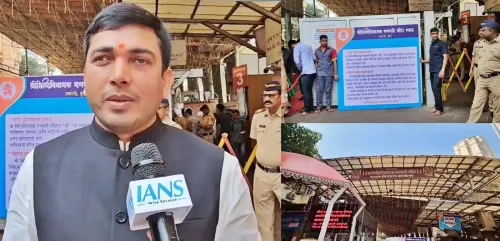
Notice boards have been installed at entrance gates detailing the dress code and photography guidelines.
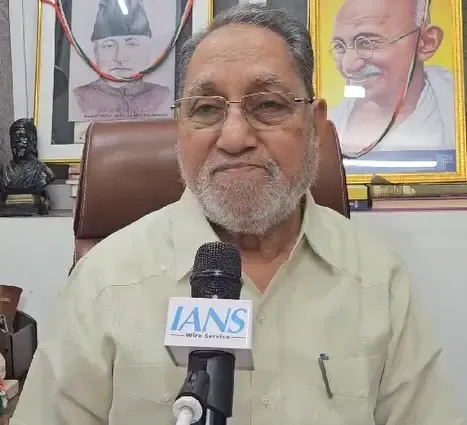
Kalki Ram , President of the Ramadal Trust , welcomed the move but also called for broader operational reforms within ISKCON.
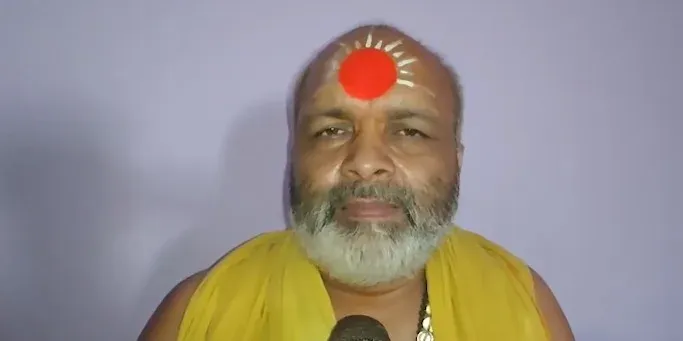
Sant Satyendra Das Vedanti urged the dress code model be adopted at temples and monasteries across India .
Mahant Nirmal Giri of Kailash Temple said dignified attire is an intrinsic part of Sanatan tradition .
Vrindavan , located in Uttar Pradesh , attracts millions of devotees annually as a key site associated with Lord Krishna's childhood.
The ISKCON Temple in Vrindavan, Uttar Pradesh, has made modest clothing mandatory for all devotees visiting its premises, prohibiting short or immodest attire and restricting photography — a move that saints and religious leaders across the country have welcomed as a vital step toward preserving Sanatan traditions and the sanctity of sacred spaces. The decision, announced on 11 August, is backed by notice boards installed at the temple's entrance gates spelling out the dress code and conduct guidelines.
What the New Rules Entail
The temple management has placed signage at all entry points detailing the mandatory dress standards for visitors. Short clothing and attire deemed immodest are strictly prohibited. Photography guidelines have also been included in the notices, signalling a broader effort by the administration to regulate visitor conduct within the temple complex.
Vrindavan, believed to be the childhood home of Lord Krishna, draws millions of devotees from India and abroad each year and is home to several celebrated temples dedicated to Krishna and Radha.
What Religious Leaders Said
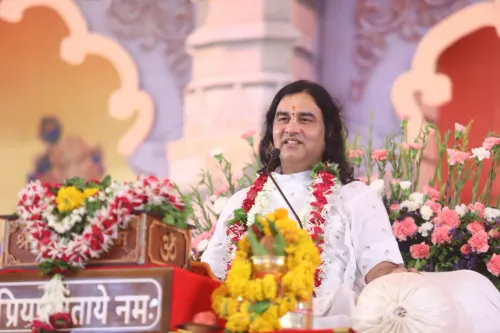
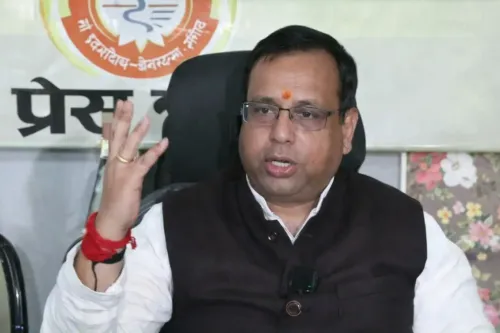
Kalki Ram, President of the Ramadal Trust, welcomed the move while also calling for wider reforms within ISKCON's operational framework. 'A dress code should be implemented because it is often seen that people come to temples wearing clothes that violate decency. However, along with this, the ISKCON Temple also needs to make extensive improvements in its working system. On one hand, they provide devotees with the Shrimad Bhagavad Gita, and on the other hand, they put a manjira in their hands,' he said.
Sant Satyendra Das Vedanti went further, urging that similar guidelines be adopted at temples and monasteries across the entire country. 'It is a very good decision. It should be implemented across the entire country in all temples and monasteries wherever such an arrangement is possible. Considering the various forms of impurity and indecency spreading in society today, implementing such a measure would be beneficial,' he said.
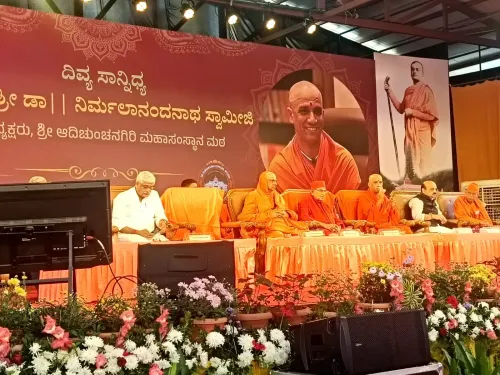
Mahant Nirmal Giri of Kailash Temple echoed the sentiment, framing appropriate attire as an intrinsic part of Sanatan culture. 'According to our tradition, when a devotee visits a temple, they should do so in a dignified and cultured manner. My view is that whenever one visits a temple or any religious place, special attention should be paid to clothing and conduct,' he said.
Broader Context
The ISKCON Temple's directive is part of a wider conversation playing out at major pilgrimage sites across India, where temple administrations are increasingly formalising dress and conduct codes that were once informally observed. Notably, several prominent temples in Tamil Nadu, Rajasthan, and Uttarakhand have introduced similar measures in recent years, reflecting growing institutional concern over changing visitor behaviour at heritage religious sites.
Vrindavan itself sees footfall in the millions annually, with international visitors adding a cross-cultural dimension that temple authorities say has made standardised guidelines more necessary than before.
What Comes Next
With multiple religious leaders now publicly endorsing the model, pressure may mount on temple trusts and state governments to consider formalising dress codes at other major pilgrimage centres. Whether this translates into a coordinated national policy, however, remains to be seen.
Point of View
Not just advisory signage. What's missing from the conversation is the visitor's perspective: how the code will be enforced, whether provisions exist for tourists unaware of local customs, and who bears the cost of compliance infrastructure. A rule without an equitable implementation mechanism risks becoming a gatekeeping exercise rather than a genuine preservation effort.
NationPress
11 Aug 2026
Frequently Asked Questions
What is the ISKCON Vrindavan dress code rule?
The ISKCON Temple in Vrindavan has made modest clothing mandatory for all visitors, strictly prohibiting short or immodest attire. The temple has also issued photography guidelines, with notice boards installed at entrance gates to inform devotees of the rules.
Why has ISKCON Vrindavan introduced a dress code?
The temple management introduced the dress code to preserve the sanctity of the premises and uphold Sanatan cultural traditions. Religious leaders say changing visitor behaviour at major pilgrimage sites has made formalised conduct guidelines increasingly necessary.
Who has supported the ISKCON Vrindavan dress code?
Several prominent religious figures have backed the move, including Kalki Ram of the Ramadal Trust, Sant Satyendra Das Vedanti, and Mahant Nirmal Giri of Kailash Temple. Multiple leaders have called for similar dress codes to be adopted at temples across India.
Where is Vrindavan and why is it significant?
Vrindavan is a town in Uttar Pradesh, widely regarded as one of Hinduism's most sacred sites. It is believed to be the place where Lord Krishna spent his childhood and is home to numerous temples dedicated to Krishna and Radha, drawing millions of pilgrims from India and abroad each year.
Could this dress code be extended to other temples in India?
Several religious leaders have publicly urged that similar guidelines be adopted at temples and monasteries across the country. However, no formal national policy has been announced, and implementation would depend on individual temple trusts and state government decisions.