Char Dham Yatra 2026: BKTC Chairman Unveils New Entry Restrictions and SOPs
Synopsis
As the Char Dham Yatra 2026 approaches, the BKTC has introduced controversial entry restrictions to preserve temple sanctity. With a ban on mobile phones and the exclusion of non-Sanatani individuals, the new guidelines are stirring debate across the region.
Key Takeaways
New restrictions for Char Dham Yatra 2026 announced by BKTC.
Entry banned for non-Sanatani individuals.
Mobile phone usage prohibited within temple premises.
Efforts to maintain temple sanctity and better manage devotees.
Controversial discussions surrounding legal and social implications.
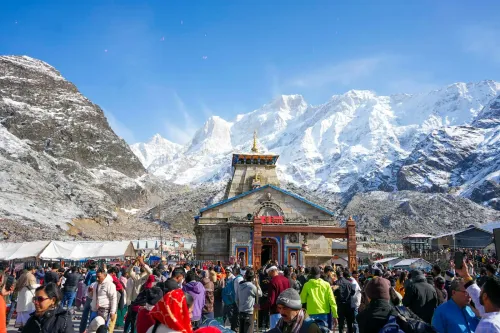
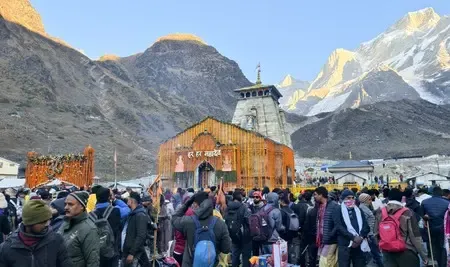
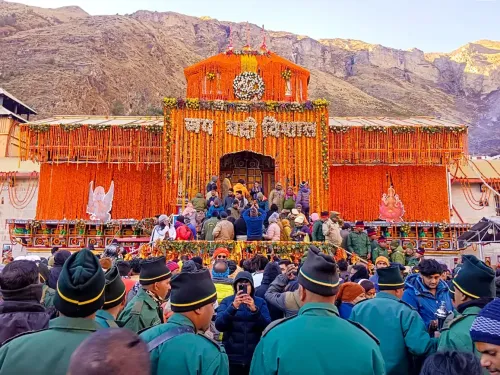
Dehradun, March 17 (NationPress) In preparation for the forthcoming Char Dham Yatra 2026, the Badrinath-Kedarnath Temple Committee (BKTC) has introduced a range of new guidelines and restrictions designed to uphold the sanctity of the temples and enhance the management of the pilgrim influx.
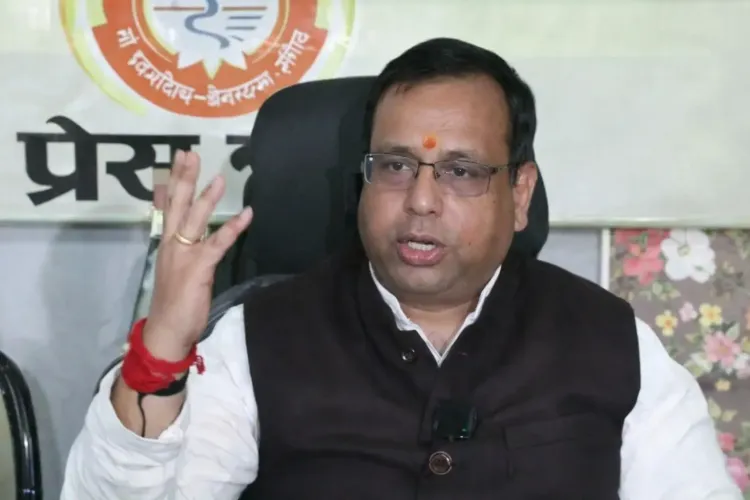
During a press conference in Dehradun, BKTC Chairman Hemant Dwivedi announced that individuals who do not identify as Sanatani will be prohibited from entering the temples overseen by the committee. This resolution emerged from a recent meeting where numerous proposals regarding the annual pilgrimage's preparations were evaluated.
The committee is responsible for managing significant Himalayan shrines, including the Badrinath and Kedarnath Temples, which attract millions of devotees each year during the Char Dham Yatra.
Dwivedi emphasized that this decision respects the beliefs of devotees and the traditional practices tied to these temples.
“We have reached a unanimous agreement that individuals who are not Sanatani will not be permitted into the temples managed by our committee. Additionally, mobile phone usage will be strictly prohibited within the temple grounds, particularly in the sanctum sanctorum, to preserve the sanctity of the site,” he stated to reporters.
The chairman elaborated that the Standard Operating Procedures (SOPs) encompass various elements, including entry restrictions, security measures, and the maintenance of a peaceful religious environment within temple grounds.
The mobile phone ban aims to prevent overcrowding, unnecessary photography, and disturbances within the temples, especially near the sanctum sanctorum, where devotees gather for darshan.
Dwivedi also commented on Bollywood actress Sara Ali Khan, noting that if she demonstrates her devotion to Sanatan Dharma and submits an affidavit affirming her commitment, she would be permitted to pray at the temples.
“Should Sara Ali Khan affirm her devotion to Sanatan Dharma and provide an affidavit, we will facilitate her prayers,” he remarked.
He further pointed out that this approach is not novel, having historical roots in the traditional framework established by Adi Shankaracharya.
“I want to reiterate the distinction between Sanatan and non-Sanatan. This is not a recent system; it has been in place since ancient times as instituted by Adi Shankaracharya,” Dwivedi said.
The recent announcements leading up to the Char Dham Yatra have sparked widespread discussions throughout the state. While some view these measures as efforts to safeguard religious traditions and discipline within the temples, others have expressed concerns regarding their legal and social ramifications.
Point of View
Tradition, and modernity. While the intention to safeguard the sanctity of temples is commendable, the implications of restricting access based on religious identity raise important questions about inclusivity and the evolving nature of spiritual practices in India.
NationPress
28 Sept 2026
Frequently Asked Questions
What new restrictions are being implemented for Char Dham Yatra 2026?
The BKTC has announced that non-Sanatani individuals will not be allowed entry into the temples, and the use of mobile phones will be prohibited within temple premises.
Why has the BKTC imposed these restrictions?
The restrictions aim to maintain the sanctity of the temples and ensure better management of the large number of devotees during the pilgrimage.
Will Sara Ali Khan be allowed to pray at the temples?
Yes, if she expresses her devotion to Sanatan Dharma and submits an affidavit affirming her commitment.
What historical context supports these new guidelines?
The approach is rooted in the traditional systems established by Adi Shankaracharya, which have guided temple practices for centuries.
What are the implications of these new policies?
The measures have sparked discussions regarding the preservation of religious traditions versus concerns about inclusivity and legal ramifications.