Will Non-Hindus Be Barred from Badrinath and Kedarnath Temples?
Synopsis
In a significant move, the Badrinath-Kedarnath Temple Committee has announced plans to restrict entry to non-Hindus at these sacred sites. This decision has sparked a heated debate about religious access in Uttarakhand, highlighting tensions surrounding faith and public spaces. Find out more about the implications of this ruling.
Key Takeaways
Badrinath and Kedarnath temples to restrict entry to Hindus only.
Decision confirmed by BKTC president Hemant Dwivedi.
Formal proposal to be discussed in the upcoming temple committee meeting.
The move reflects ongoing debates about religious access in Uttarakhand.
Related controversies have emerged in Haridwar regarding public access.
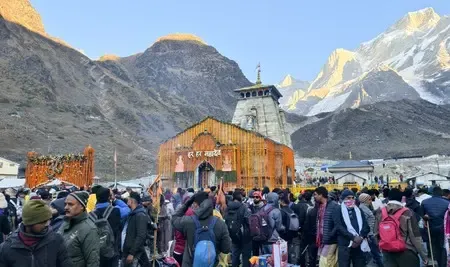
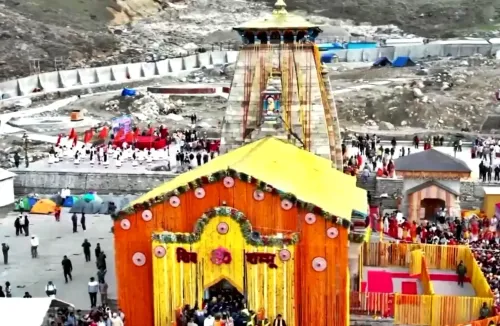
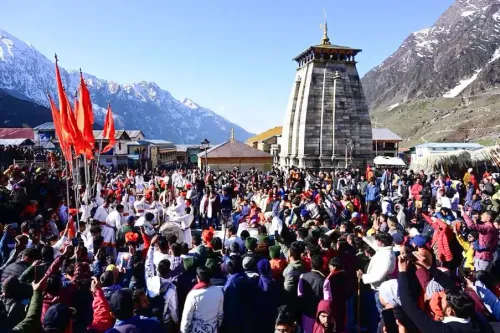
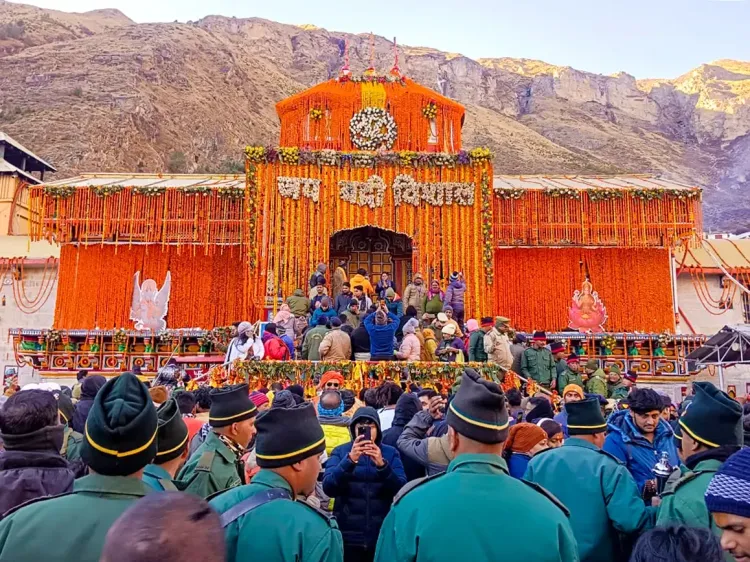
Dehradun, Jan 26 (NationPress) Soon, non-Hindus will be forbidden from entering the Badrinath and Kedarnath temples located in Uttarakhand, which are essential components of the esteemed Char Dham pilgrimage circuit. This announcement was made by the governing body responsible for these sacred sites.
The Badrinath-Kedarnath Temple Committee (BKTC) has declared that access to these historic temples will be limited solely to Hindus. This forthcoming restriction will extend to all temples under the committee's management, including the prominent Badrinath and Kedarnath dhams.
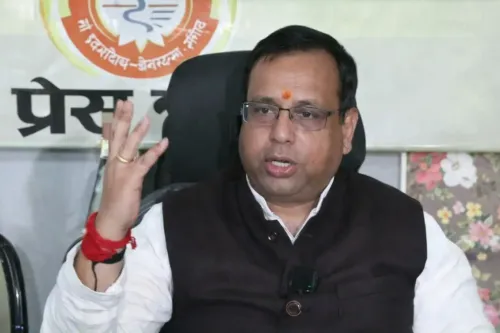
BKTC president Hemant Dwivedi confirmed this development, stating that non-Hindus would be barred from all temples within the committee’s oversight.
A formal proposal to enact this decision will be presented to the temple committee board at their next meeting.
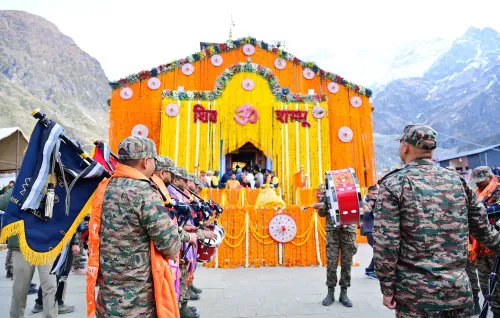
The Badrinath temple is set to reopen on April 23 after being closed for six months during winter. The reopening date for the Kedarnath temple will be revealed on Maha Shivratri.
The Chota Char Dham circuit includes Kedarnath and Badrinath, along with Gangotri and Yamunotri. The gates of these two shrines are expected to reopen on April 19, coinciding with the festival of Akshaya Tritiya.
This announcement arises amidst a wider discussion in Uttarakhand regarding the restriction of non-Hindus at significant religious sites.
Earlier this month, signs declaring Haridwar’s Har ki Pauri as “off-limits for non-Hindus” surfaced at the internationally acclaimed pilgrimage site, sparking significant controversy.
The notice, which labeled Har ki Pauri as a strictly ‘Hindu zone,’ intensified the ongoing conversation about religious access to public areas.
These signs, placed by Shri Ganga Sabha, stated, “Non-Hindus Prohibited Entry Zone.” The organization claimed that the intent behind this action was merely to inform the public and not to create any discord.
Nitin Gautam, president of Shri Ganga Sabha, shared with IANS that “Basic knowledge of the law is crucial for every citizen. Following several recent incidents, the Ganga Sabha realized the importance of raising awareness regarding rules and regulations. Thus, awareness boards have been installed at key public locations in Haridwar to inform the public, devotees, and tourists about the law and how to seek information from the relevant authorities.”
Gautam further noted that two to three recent incidents highlighted that misinformation was the primary cause of disputes and unrest.
He emphasized that the purpose of these banners was to educate the public about their rights and responsibilities to maintain order and harmony within society.
It is important to note that calls to prohibit non-Hindus from entering Haridwar have been ongoing, especially with the upcoming Ardh Kumbh festival next year.
Point of View
I recognize the importance of respecting religious sentiments while ensuring public access to spiritual sites. This announcement from the Badrinath-Kedarnath Temple Committee reflects a complex interplay of faith, tradition, and modern societal concerns. It is crucial to navigate these discussions with sensitivity and an understanding of diverse perspectives.
NationPress
19 Oct 2026
Frequently Asked Questions
Why are non-Hindus being restricted from entering Badrinath and Kedarnath?
The Badrinath-Kedarnath Temple Committee has decided to restrict access to these temples solely for Hindus to uphold religious sentiments and traditions associated with these sacred sites.
What other temples are affected by this decision?
This restriction will apply to all temples managed by the Badrinath-Kedarnath Temple Committee, which includes the Badrinath and Kedarnath dhams.
When will the temples reopen?
The Badrinath temple is set to reopen on April 23, while the reopening date for Kedarnath will be announced during Maha Shivratri.
What sparked the controversy regarding non-Hindu access?
The controversy intensified with recent posters in Haridwar declaring certain areas as off-limits to non-Hindus, prompting a broader debate about religious access to public spaces.
Is this decision legally enforceable?
The temple committee plans to present a formal proposal regarding this restriction, and its enforceability will depend on future legal and community discussions.