Devkinandan Thakur calls for daytime Hindu weddings, Sanatan Board for temples
Synopsis
Devkinandan Thakur's Bhopal address went well beyond a call for tradition — it was a pointed challenge to state control of temples, judicial pace, and social customs that he argues have drifted from scriptural roots. His demand for a Shankaracharya-led Sanatan Board signals a growing push within Hindu religious circles to reclaim institutional authority over temple affairs.
Key Takeaways
Devkinandan Thakur on 15 June in Bhopal called for a return to daytime Hindu weddings, citing scriptural injunctions that classify night as the domain of demons.
He said the shift to nighttime ceremonies originated as an emergency measure during Mughal invasions and is no longer justified.
Thakur demanded the immediate formation of a 'Sanatan Board' headed by one of the four Shankaracharyas to govern temple affairs.
He warned that misuse of Ram Mandir donations carries a scriptural consequence of rebirth as a worm for 60,000 years , and called for swift recovery of misappropriated funds.
He criticised the slow pace of judicial proceedings, urging administrative action over prolonged litigation in temple-related cases.
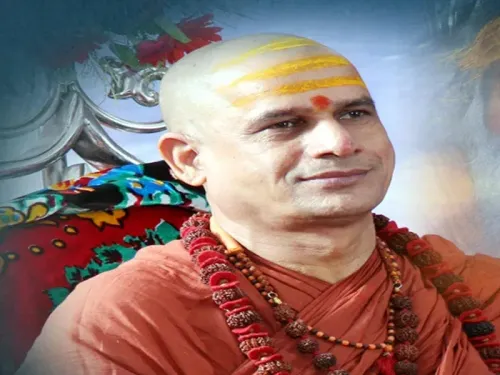
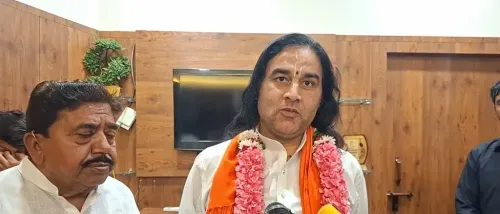
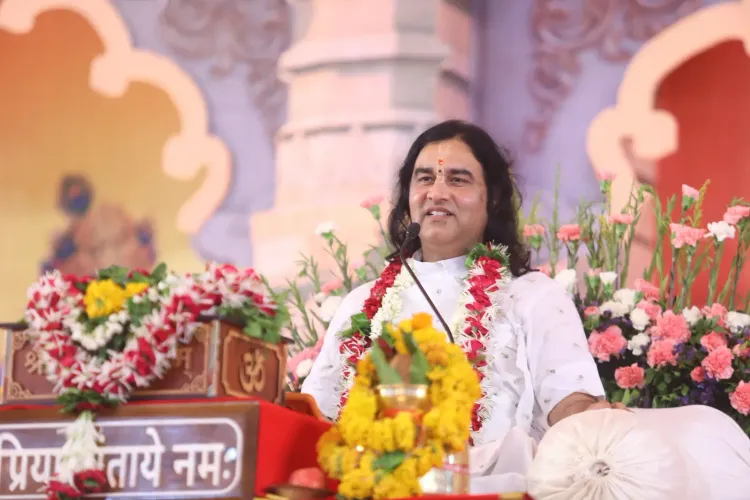
Spiritual narrator Devkinandan Thakur on 15 June in Bhopal called for the revival of ancient Hindu matrimonial traditions, urging a return to daytime weddings and demanding the immediate formation of a 'Sanatan Board' to govern temple affairs — free from government interference. His remarks, made to reporters, also took sharp aim at what he described as the unacceptably slow pace of judicial proceedings in cases involving temple fund misappropriation.
The Case Against Night Weddings
Thakur grounded his argument in Hindu scriptural tradition, explaining that time is divided into three domains: that of the gods, the ancestors, and the demons — with night falling under the last. Conducting weddings after sunset, he argued, contradicts the spirit of a sacred and auspicious union.
He recalled that in ancient practice, marriages were solemnised during 'Godhuli Bela' — the twilight or daytime hours — when the 'pheras' (circumambulations around the sacred fire) took place in full daylight. The shift to nighttime ceremonies, he said, was never a tradition but an emergency measure adopted during the Mughal invasions to protect the safety and honour of women. 'That emergency is long over,' Thakur asserted, adding that society must now reclaim the purity of daytime nuptials, conducted without excessive noise and celebration.
He also condemned the consumption of alcohol at weddings, describing it as a deeply corrupting influence on future generations. 'The greater the sanctity maintained in marriage, the stronger and more virtuous society becomes,' he said.
Sanatan Board Demand
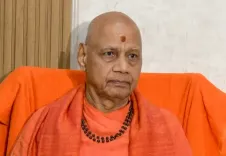
Thakur called for the creation of a 'Sanatan Board' to be headed by one of the four Shankaracharyas, arguing that the stewardship of Hindu temples and religious affairs must rest with learned and devout individuals — not government officials. He criticised what he characterised as undue state interference in temple administration, saying the responsibility for preserving Sanatan Dharma cannot be delegated to bureaucrats.
Ram Mandir Fund Misappropriation Warning
Turning to the sensitive matter of alleged misappropriation of funds meant for the Ram Mandir, Thakur issued a stern warning drawn from scripture. He stated that anyone who misuses temple donations faces the consequence — as described in Hindu texts — of being reborn as a worm in excrement for 60,000 years continuously. 'If people truly understood this, not a single rupee would be touched,' he remarked.
He demanded immediate recovery of misappropriated funds and the removal of those found guilty, rather than allowing the matter to drag through prolonged legal proceedings.
Criticism of the Judicial System
Thakur expressed deep dissatisfaction with the pace of investigations and court proceedings in India. 'By the time a verdict comes, even Lord Ram would be waiting for His dakshina,' he quipped, underscoring his frustration with what he sees as an ineffective mechanism for delivering timely justice in matters of religious significance.
He stressed that swift administrative action — not extended litigation — is the appropriate response when temple funds are at stake. As debate around temple governance and Hindu personal law continues to grow in public discourse, Thakur's remarks are likely to resonate with a significant section of the faithful.
Point of View
Organised effort within Hindu religious circles to wrest institutional control of temples from state governments — a debate that has intensified since the Supreme Court's scrutiny of endowment boards in Tamil Nadu and Andhra Pradesh. The Sanatan Board demand is not new, but anchoring it to Shankaracharya leadership gives it a specific constitutional and religious legitimacy test that governments will find harder to dismiss. His conflation of social reform, scriptural authority, and judicial criticism in a single address also signals how religious discourse in India is increasingly functioning as political pressure — a trend that mainstream coverage tends to underreport.
NationPress
15 Sept 2026
Frequently Asked Questions
Why does Devkinandan Thakur oppose nighttime Hindu weddings?
Thakur argues that Hindu scriptures classify night as the domain of demons, making it an inauspicious time for a sacred rite like marriage. He says the shift to nighttime ceremonies was a protective emergency measure during Mughal-era invasions and has no place in contemporary Hindu practice.
What is the Sanatan Board that Thakur is demanding?
The Sanatan Board is a proposed independent body that Thakur wants established to oversee Hindu temple administration, free from government interference. He has called for it to be headed by one of the four Shankaracharyas, who are the highest religious authorities in the Advaita Vedanta tradition.
What did Thakur say about Ram Mandir fund misappropriation?
Thakur cited Hindu scriptural texts to warn that anyone who misuses temple donations — including those meant for the Ram Mandir — faces a consequence of being reborn as a worm for 60,000 years. He demanded immediate recovery of misappropriated funds and removal of those found guilty.
Why did Thakur criticise the judicial system?
Thakur expressed frustration with the slow pace of court proceedings and investigations in cases involving temple fund misuse. He argued that swift administrative action is needed rather than waiting years for legal verdicts, quipping that even Lord Ram would be waiting for His dakshina by the time judgments arrive.
What is 'Godhuli Bela' and why does Thakur reference it?
'Godhuli Bela' refers to the sacred twilight or daytime hours in Hindu tradition, historically the prescribed time for conducting marriage ceremonies including the pheras around the sacred fire. Thakur invokes it to argue that daytime weddings are scripturally mandated and spiritually superior to modern nighttime celebrations.